
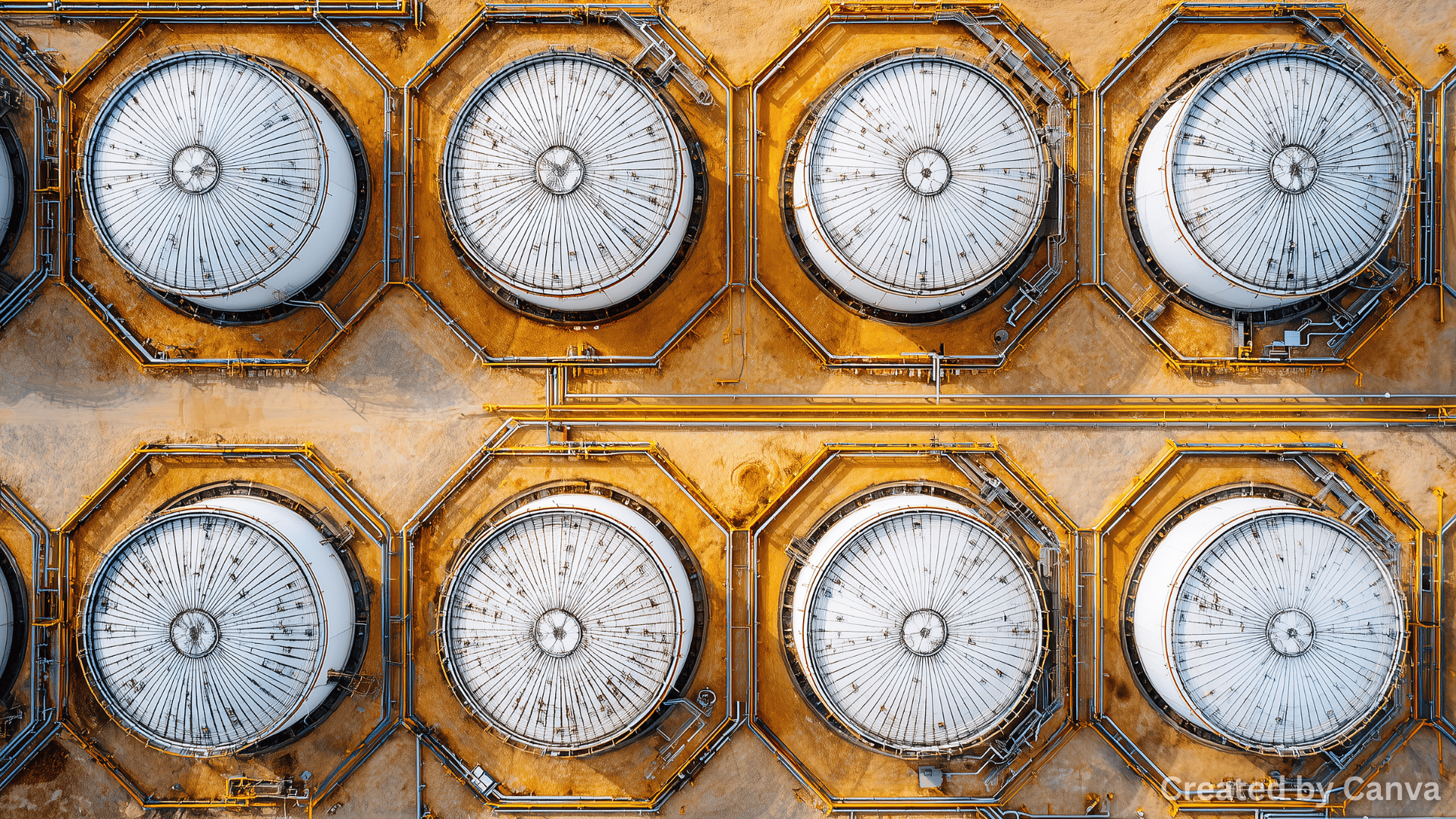
As Nevada’s energy demands continue to grow, having sufficient fuel storage in Nevada becomes increasingly important. In-state fuel storage capacity is crucial for ensuring supply resilience in NV, particularly during emergencies or times of fuel disruption. Currently, Nevada depends heavily on fuel imports from out of state, leaving the state vulnerable to supply shortages and price volatility. By expanding local fuel storage, Nevada can strengthen its energy security and be better prepared for potential disruptions.
Nevada’s reliance on outside sources for fuel means the state is vulnerable to transportation and supply chain issues. Natural disasters, transportation disruptions, or logistical failures can all lead to fuel shortages or delays in delivery. By increasing fuel storage in Nevada, the state can store more fuel locally, ensuring there is enough supply to meet demand during times of crisis.
Fuel Storage Enhances Emergency Reserves
One of the most significant benefits of increasing fuel storage in Nevada is the enhancement of emergency reserves. In the event of a natural disaster or any other emergency, access to stored fuel ensures that essential services, such as hospitals, fire stations, and other critical infrastructure, can continue to operate. This local storage provides a cushion to fall back on when external fuel deliveries are interrupted or delayed, thus increasing Nevada’s supply resilience.
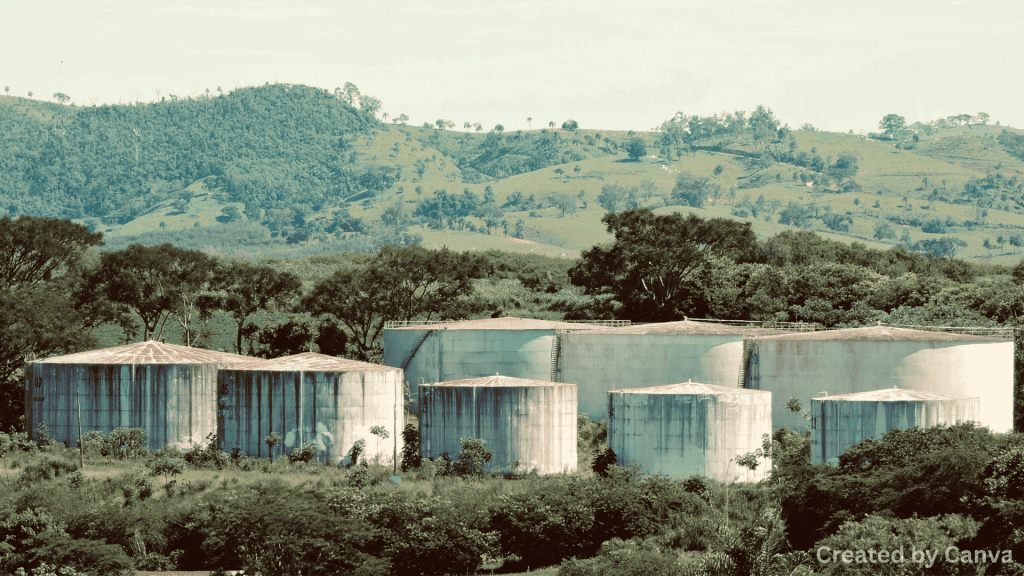
By having emergency fuel reserves on hand, Nevada can reduce its reliance on outside sources, which can be especially critical during regional disasters or situations where transportation infrastructure is affected. This proactive approach helps minimize fuel shortages during critical moments and strengthens the state’s preparedness for any unforeseen circumstances.
The Economic Benefits of Local Fuel Storage
Increasing Nevada’s fuel storage capacity not only improves security and resilience but also offers economic advantages. By building and maintaining additional storage facilities, jobs are created in the construction, maintenance, and management of these energy infrastructure systems. More storage can also help stabilize fuel prices, preventing extreme price fluctuations during periods of high demand or short supply. This creates a more consistent and reliable market for both consumers and businesses in Nevada.
How Fuel Storage Supports Nevada’s Energy Future

Nevada’s energy policy has increasingly focused on renewable sources, but the state remains dependent on imported fuels. Expanding fuel storage Nevada helps ensure that energy security is not compromised while the state transitions to cleaner energy alternatives. By storing fuel locally, Nevada can better manage its energy needs, especially when transitioning to more sustainable and renewable energy sources, while still maintaining a reliable supply.
FAQs
1. Why does Nevada need more fuel storage?
Nevada needs more fuel storage to reduce dependence on out-of-state sources, ensure continuous supply during disruptions, and enhance supply resilience in NV.
2. How does fuel storage help during emergencies?
Fuel storage provides emergency reserves, allowing Nevada to continue essential operations during disruptions like natural disasters or infrastructure failures.
3. What economic benefits does local fuel storage offer Nevada?
Local fuel storage creates jobs, stabilizes fuel prices, and ensures a more reliable fuel supply, benefiting both consumers and businesses in the state.
Featured Image
Images are by Canva.com
Read more about: The Importance of Water-Efficient Drilling Methods in Nevada