
People who live in rural areas of Nevada have to pay more for energy than people who live in cities. This makes life more expensive for people who live in these areas. The difference in energy prices isn’t just because of the way the market works; it’s also because rural areas have their own problems with infrastructure and getting reliable energy sources. To make the cost of living in Nevada better, it’s important to know why energy costs are higher in rural areas and to look into ways to fix these problems.
Issues that drive up the cost of energy in rural areas
One of the main reasons energy costs more in rural Nevada is that there isn’t enough infrastructure. In rural areas, there are often fewer power lines and substations, which makes it more expensive to get energy to people. It costs a lot more to keep and improve this infrastructure in places with few people, which makes utility bills higher for customers.
Also, the fact that there aren’t many utilities in rural Nevada is a big reason why energy prices are going up. In cities, energy companies can spread the costs of infrastructure and maintenance over a larger customer base because there are so many people living there. On the other hand, rural areas have fewer customers to share these costs, which makes it more expensive for each household. Utilities have to travel long distances to get to rural customers, which adds to the overall cost of delivering and transporting energy to these areas.
How to Fix the Difference in Energy Costs Between Cities and Rural Areas
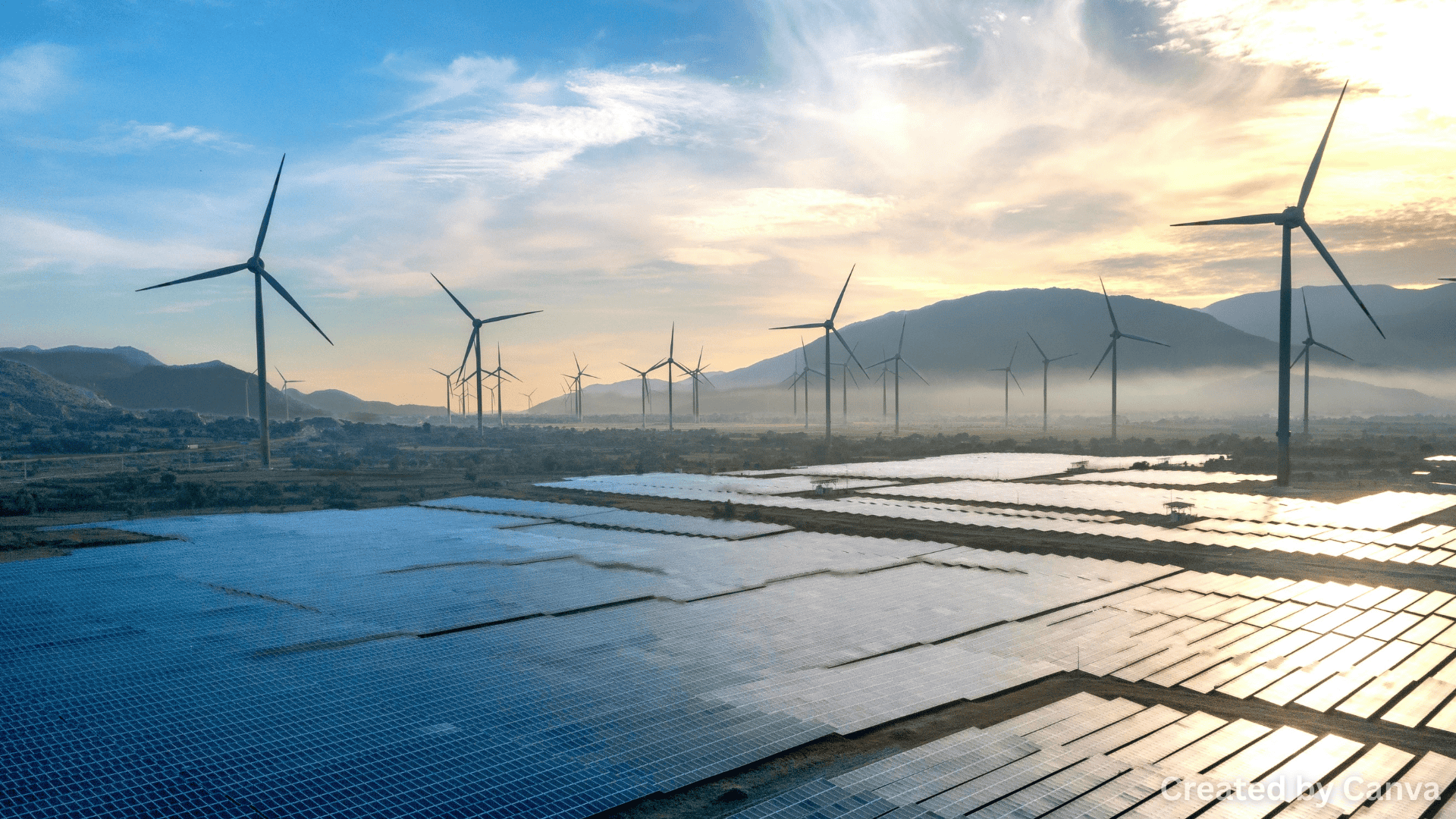
Nevada needs to work on improving rural infrastructure to fix the problem of high energy costs in rural areas. Rural areas could save money on their utility bills and on the cost of distributing energy by expanding and modernizing the energy grid. Investing in renewable energy sources like solar or wind power could also help rural communities get energy in a way that is both cheaper and better for the environment.
Also, state policies that try to close utility gaps, like giving people incentives to make their homes more energy-efficient and encouraging the growth of local energy resources, could help bring down costs in rural Nevada.
Questions and Answers
Why do people in Nevada’s rural areas pay more for energy?
Because there isn’t much infrastructure, there are gaps in utility service, and it’s expensive to keep energy systems running in areas with few people, energy costs are higher in Nevada’s rural areas.
What can be done to lower energy costs in rural Nevada?
In rural Nevada, energy costs can go down by improving infrastructure, adding to the energy grid, and putting money into renewable energy sources.
What are the gaps in utility service in rural Nevada?
Utility gaps are the differences in energy infrastructure between cities and rural areas. Rural areas have fewer resources to share the cost of energy distribution, which makes prices higher for consumers.
Featured Image
Images are by Canva.com