Paul For Nevada education policies aims to reshape the future of the Nevada education system by introducing innovative strategies and reforms. As we approach the pivotal 2026 education reform, understanding the nuances of these policies becomes essential for educators, parents, and community members alike. This article will delve into the key components of Paul For Nevada education policies and explore various Paul education initiatives designed to enhance student outcomes. We will also examine the importance of community and parental involvement in education, as well as the challenges and critiques surrounding these reforms. Finally, we will consider the future of Nevada’s education system and how these initiatives may impact students and educators in the years to come. With the conversations around education more relevant than ever, this examination is timely and crucial for anyone invested in the future of education in Nevada.
The Need for Education Reform in Nevada
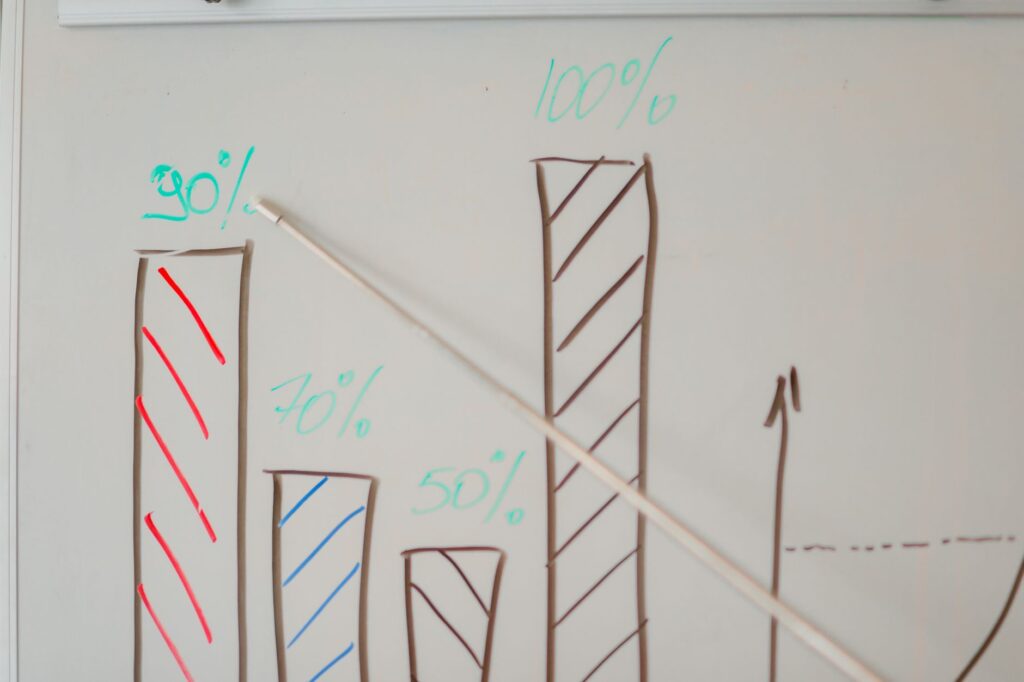
The Nevada education system faces significant challenges. With a graduation rate that ranks among the lowest in the nation, many students are not receiving the quality education they deserve. According to the Nevada Report Card, only about 70% of students graduated high school in 2020. Additionally, disparities in funding across districts have left many schools under-resourced, impacting the quality of education available to students, particularly in low-income areas.
As we look towards the 2026 education reform, it is clear that a comprehensive approach is needed to address these systemic issues. This is where Paul For Nevada education policies come into play. His vision for reform aims to create a more equitable and effective education system that meets the needs of all students, regardless of their background.
Overview of Paul’s Education Initiatives
Paul’s education initiatives focus on several key areas designed to improve educational outcomes in Nevada. First, he advocates for increased funding for public schools, ensuring that all districts have the necessary resources to provide high-quality education. This includes investing in teacher training and professional development to enhance instructional quality across the board.
Another cornerstone of Paul education initiatives is the emphasis on early childhood education. Research shows that investment in early education leads to better long-term outcomes for students. Paul aims to expand access to pre-K programs, ensuring that all children enter kindergarten ready to learn.
Moreover, Paul addresses the importance of technology in the classroom. By integrating technology into the curriculum, he believes that students can gain essential skills for the future job market. This aligns with his broader vision of preparing students not just for graduation but for a successful life beyond school.
Paul For Nevada education policies offer a promising pathway toward achieving a more equitable and effective education system. By focusing on funding, early education, and technological integration, he aims to transform the educational landscape in Nevada.

Key Components of Paul For Nevada Education Policies
Paul For Nevada education policies focus on two essential areas: investing in teacher development and enhancing student resources and support. These initiatives are designed to address the challenges within the Nevada education system, aiming to create a more effective and equitable learning environment for all students.
Investing in Teacher Development
One of the cornerstones of Paul education initiatives is the commitment to increased funding for teacher training. Research consistently shows that effective teaching is one of the most significant factors influencing student success. By prioritizing professional development for educators, Paul aims to ensure that teachers are equipped with the latest pedagogical strategies and resources. This not only enhances their teaching skills but also boosts student engagement and achievement.
For example, allocating funds for ongoing workshops, mentorship programs, and advanced degree opportunities can elevate the quality of education across the board. When teachers feel supported and continue to grow in their profession, it has a ripple effect on the students they teach, leading to improved academic performance and higher graduation rates. This approach aligns with the broader goals of the 2026 education reform, which seeks to elevate educational standards statewide.
Enhancing Student Resources and Support in Paul For Nevada Education Policies
In addition to focusing on teacher development, Paul advocates for comprehensive resources and support systems for students. This includes increased funding for school libraries, mental health services, and technology access. By ensuring that students have access to necessary tools and support, we can create an environment where every child can thrive.
For instance, investing in mental health resources helps address emotional and psychological issues that may hinder learning. Furthermore, providing equitable access to technology prepares students for a competitive workforce. These initiatives are crucial for leveling the playing field within the Nevada education system, particularly for under-resourced communities.
By focusing on these key components, Paul For Nevada education policies aim to transform the educational landscape, making it more inclusive and effective for all students. As these initiatives take shape, they have the potential to significantly impact educational outcomes across the state.

The 2026 Education Reform Agenda
Goals of the 2026 Education Reform
The 2026 education reform aims to overhaul the Nevada education system, focusing on enhancing educational outcomes for all students. A core goal is to increase graduation rates to 90% by 2026, which would mark a significant improvement from the current figures. This ambitious target is part of broader Paul education initiatives that seek to address gaps in student achievement and ensure equitable access to quality education.
Another measurable objective is to boost the proficiency rates in math and reading by 20% over the next three years. This will involve curriculum revisions, teacher training, and increased funding for resources in underserved areas. Paul For Nevada education policies align perfectly with these goals, emphasizing accountability and transparency in educational practices. By implementing these reforms, Nevada can create a more robust framework for learning that not only prepares students for high school but also for college and careers.
Impact on Future Generations
The long-term vision for the 2026 education reform is not just about immediate improvements but also about laying the foundation for future generations. If successful, these reforms will lead to a more educated workforce, which is essential for attracting businesses and fostering economic development in Nevada. Enhanced educational outcomes will ensure that students possess the critical thinking and problem-solving skills necessary for success in a rapidly changing world.
Moreover, these reforms will engage families and communities, creating a collaborative environment that supports students from all backgrounds. As Paul For Nevada education policies push for increased community involvement in education, the expectation is that these initiatives will result in stronger partnerships between schools and families, ultimately benefiting students. Investing in education today means investing in a brighter future for all Nevadans.
Community and Parental Involvement in Education
Engaging Families in Educational Reform: A Key Element of Paul For Nevada Education Policies
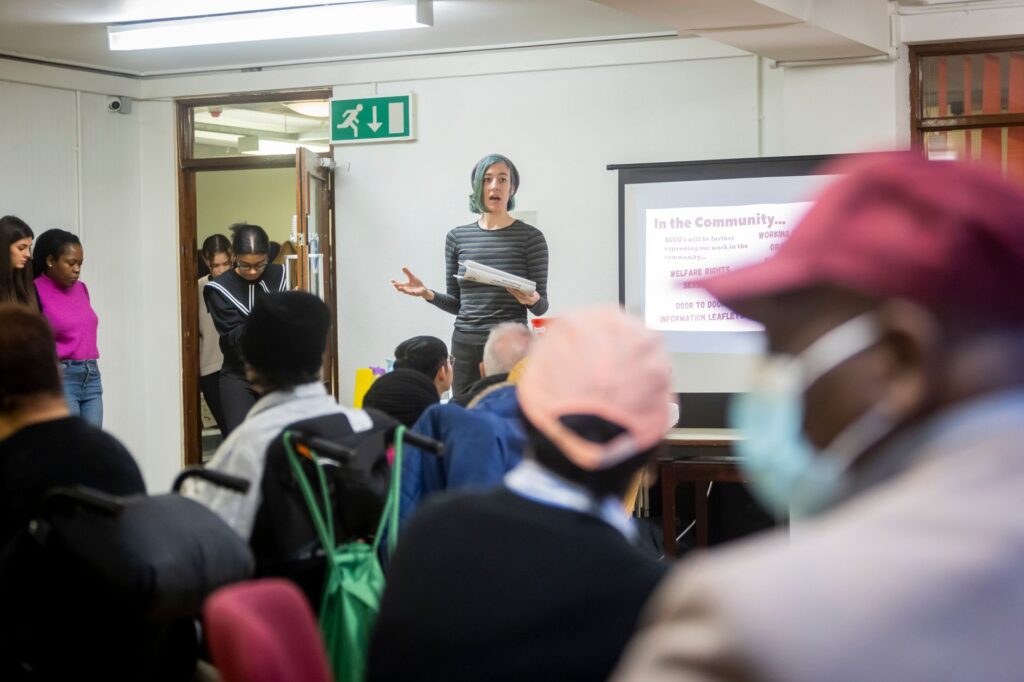
Community involvement is crucial to the success of any educational reform, especially within the Nevada education system. When families are actively engaged, students tend to perform better academically and socially. Understanding this, Paul For Nevada education policies emphasize the importance of parental participation as part of his broader Paul education initiatives.
One of the core strategies Paul advocates is creating accessible communication channels between schools and families. This includes regular updates through newsletters, social media, and community meetings. By keeping families informed about school events and educational expectations, parents can better support their children’s learning at home. Additionally, Paul promotes workshops that equip parents with the tools to assist with homework and navigate the educational landscape, fostering a collaborative environment for student success.
Building Partnerships with Local Organizations to Enhance Education
To further bolster community involvement, Paul initiatives also focus on establishing partnerships with local organizations, businesses, and nonprofits. These collaborations can provide essential resources, such as tutoring programs, mentorship opportunities, and extracurricular activities that enrich students’ educational experiences. For instance, community organizations can help implement the upcoming 2026 education reform by providing insights and support tailored to local needs.
Moreover, these alliances create a support network that extends beyond the classroom. By engaging local stakeholders, Paul aims to create a more inclusive atmosphere where everyone has a stake in the educational outcomes of Nevada’s youth. This community-centric approach not only benefits students but also strengthens the fabric of the community itself.
community and parental involvement are vital components of effective educational reform. By implementing strategies that encourage engagement and collaboration, Paul For Nevada education policies seek to foster an educational environment where students can thrive.
Challenges and Critiques of Paul For Nevada Education Policies
Addressing Opposition and Concerns Surrounding Paul For Nevada Education Policies
As with any reform initiative, Paul For Nevada education policies face a variety of challenges and critiques. Detractors often voice concerns regarding the feasibility and effectiveness of proposed changes within the Nevada education system. Some argue that the focus on standardized testing and accountability measures may overlook the unique needs of diverse student populations. Others express skepticism about whether the proposed policies will lead to substantial improvements in educational outcomes.
To address these concerns, Paul emphasizes a collaborative approach that engages educators, parents, and community stakeholders. He plans to implement feedback mechanisms that allow for ongoing dialogue about the effectiveness of education reforms. By fostering transparency and inclusivity, Paul aims to build trust among stakeholders and ensure that everyone has a voice in shaping the future of education in Nevada.
Ensuring Sustainable Funding for Paul Education Initiatives
Another significant challenge lies in securing sustainable funding for the 2026 education reform initiatives. Critics highlight that ambitious plans often fall short due to inadequate financial resources. To counter this, Paul proposes a multi-faceted funding strategy that includes exploring alternative revenue streams, advocating for increased state funding, and fostering partnerships with local businesses and organizations. By diversifying funding sources, Paul aims to create a stable financial foundation for educational reforms that can withstand economic fluctuations.
By proactively addressing opposition and ensuring sustainable funding, Paul For Nevada education policies aspire to create a more effective and inclusive education system. The goal is to enhance student outcomes and better prepare Nevada’s youth for a rapidly changing world.
The Future of Nevada’s Education System
Measuring Success and Progress in Paul For Nevada Education Policies
As we look towards the future of the Nevada education system, one critical aspect will be how we measure success and progress. The upcoming 2026 education reform aims to establish clear benchmarks that reflect not only academic achievements but also the holistic development of students. With a focus on transparency and accountability, these reforms will help in assessing the effectiveness of Paul education initiatives.
Measuring success should encompass various metrics, including graduation rates, college readiness, and student engagement. By implementing comprehensive assessment frameworks, educators and policymakers can identify areas needing improvement and celebrate successes. Such data-driven approaches will allow for informed decisions and adjustments in educational strategies, enhancing the overall effectiveness of Nevada’s education system.
The Role of Innovation in Paul For Nevada Education Policies
Innovation plays a pivotal role in shaping the future of education. With the rapid advancement of technology and pedagogical methods, Paul For Nevada education policies must embrace these changes. Integrating technology in classrooms, utilizing online learning platforms, and fostering creative problem-solving skills are essential steps towards a more effective education system.
For instance, personalized learning plans can cater to individual student needs, ensuring that all learners receive the support necessary to thrive. Additionally, collaboration with local businesses and educational institutions can provide students with real-world experiences, further bridging the gap between education and workforce readiness.

As we stand on the brink of significant changes, the future of the Nevada education system holds promise. By focusing on innovative practices and measurable outcomes, the state can create an environment where students are not only prepared for academic success but are also equipped with the skills needed for the challenges of tomorrow. With Paul For Nevada education policies at the helm, the journey towards a revitalized educational landscape is well underway, paving the way for a brighter future for all students.
As we look ahead to the 2026 education reform, it’s clear that the time for change in the Nevada education system has arrived. Paul For Nevada education policies emphasizes the need for innovative strategies that prioritize both student outcomes and teacher support. By actively engaging in Paul education initiatives, stakeholders can foster a more equitable learning environment that meets the needs of every child in the state.
For those interested in making a difference, consider getting involved in local advocacy groups or attending community meetings to discuss these critical issues. Every voice matters in shaping the future of education in Nevada, and together we can ensure that the policies we support lead to meaningful improvements in our schools. Join the conversation today and be part of the solution!
“`html
What are Paul For Nevada education policies?
Paul For Nevada education policies focus on improving the quality of education within the Nevada education system through comprehensive reforms. His approach emphasizes increased funding, teacher support, and innovative programs to enhance student learning outcomes. Paul advocates for transparency and accountability in educational practices, aiming to ensure that every child has access to quality education regardless of their background.
How will the 2026 education reform impact schools?
The 2026 education reform is expected to bring significant changes to Nevada’s schools by introducing updated curricula, increased funding for infrastructure, and enhanced teacher training programs. This reform aims to create a more equitable education system that addresses the unique challenges faced by students and educators alike. By focusing on these areas, the reform seeks to improve academic performance and better prepare students for future opportunities.
What specific initiatives does Paul propose for education?
Paul proposes several initiatives aimed at revitalizing the education sector in Nevada. Key initiatives include expanding access to early childhood education, increasing teacher salaries, and implementing robust mental health support systems in schools. Additionally, Paul emphasizes the importance of technology integration in classrooms to prepare students for a digital future and improve overall engagement in learning.
Why is education reform necessary in Nevada?
Education reform is necessary in Nevada due to the state’s historically low rankings in student achievement and graduation rates. The Nevada education system faces significant challenges, including disparities in funding and resources among schools. Reform is essential to address these inequities, improve educational outcomes, and ensure that all students have the opportunity to succeed academically and in their future careers.
How can parents get involved in education reform?
Parents can get involved in education reform by participating in school board meetings, joining parent-teacher associations, and advocating for policies that support their children’s education. Engaging with local communities and collaborating with educators can help raise awareness about the needs of the education system. Additionally, parents can support initiatives like volunteering at schools or participating in local educational events to drive change.
What challenges does Paul face with his education policies?
Paul faces several challenges in implementing his education policies, including budget constraints, resistance from established educational institutions, and varying opinions on reform strategies. Additionally, navigating the political landscape and securing bipartisan support can be difficult. Addressing these challenges requires coalition-building and ongoing dialogue with stakeholders to ensure that reforms meet the needs of students and educators effectively.
“`