
Paul For Nevada education reform aims to reshape the landscape of education in Nevada, bringing new opportunities for students and communities alike. As discussions around education policy gain momentum, it’s essential to understand the key components of these reform plans and how they intend to improve Nevada schools. This article will delve into the various facets of the proposed reforms, focusing on their potential impact on student outcomes. We will also explore the crucial role of community engagement in driving these changes, as well as the challenges and criticisms that accompany such ambitious initiatives. Finally, we will provide actionable steps on how individuals can support education reform in Nevada. Whether you’re a parent, educator, or concerned citizen, this guide will equip you with the knowledge to navigate the evolving landscape of Nevada’s education system. Join us as we unpack these vital reforms and their implications for the future of our students and communities.
Understanding Paul For Nevada Education Reform
The Need for Change in Nevada Schools
The current state of education in Nevada faces significant challenges that demand urgent attention. Funding issues have plagued Nevada schools, resulting in inadequate resources for both students and teachers. According to a report by the Nevada Department of Education, many schools are struggling with teacher shortages, leading to larger class sizes and diminished student outcomes. This situation not only affects the quality of education but also contributes to high dropout rates and lower college enrollment figures.
Moreover, the disparities in education policy across different districts further exacerbate these challenges. Students in underfunded areas often miss out on vital learning opportunities, creating a cycle of inequity that is hard to break. Addressing these issues is essential for improving the overall quality of education in Nevada and ensuring that every child has the chance to succeed.
Overview of Paul’s Education Reform Plans
Paul For Nevada education reform presents a comprehensive vision aimed at transforming the educational landscape. His plans focus on several key areas:
- Increased Funding: Paul advocates for a fairer funding formula that ensures all Nevada schools receive adequate resources, particularly those in underserved areas.
- Teacher Recruitment and Retention: To combat the ongoing teacher shortages, he proposes initiatives that include competitive salaries, professional development opportunities, and improved working conditions.
- Curriculum Enhancement: Paul emphasizes the need for a modernized curriculum that prioritizes critical thinking and real-world applications, which are essential for improving student outcomes.
- Parental Involvement: Encouraging stronger partnerships between schools and families is another pillar of his reform plan, as involved parents can significantly impact a child’s educational journey.
By addressing these critical areas, Paul aims to create an equitable education system that provides every student in Nevada the opportunity to thrive. These reforms are not just a vision; they represent a commitment to building a brighter future for Nevada’s children and improving the overall education policy landscape.
Key Components of the Education Reform Plans
Improving Funding for Nevada Schools
A crucial element of the Paul For Nevada education reform is the commitment to increase funding for Nevada schools. This proposal aims to allocate more resources to underfunded districts, ensuring that every student has access to quality education. By reallocating existing funds and seeking additional state revenue, the reform plan addresses the long-standing disparities that have plagued Nevada’s education system. For instance, research shows that increased funding correlates with improved student outcomes, as schools can invest in essential resources such as updated textbooks, technology, and extracurricular programs [source].
Enhancing Teacher Training and Retention
Another significant focus of the Paul For Nevada education reform involves enhancing teacher training and retention strategies. Well-trained teachers are pivotal to improving student outcomes, and the plan proposes implementing comprehensive professional development programs. These programs will not only equip teachers with the latest pedagogical techniques but also foster a supportive community that encourages collaboration and mentorship. Additionally, offering competitive salaries and incentives for educators willing to work in high-need areas can help retain talented professionals in Nevada schools. According to the Nevada Report Card, teacher turnover rates have a direct impact on student performance, highlighting the necessity of these reforms.
By investing in both funding and teacher development, the Paul For Nevada education reform aligns with broader education policy goals aimed at creating equitable learning environments for all students. This multifaceted approach addresses the root causes of educational inequity and aims to uplift Nevada’s future generations.
Impact on Student Outcomes
Expected Benefits for Students through Paul For Nevada Education Reform
Paul For Nevada’s education reform plans promise to bring substantial improvements to student outcomes in Nevada schools. By focusing on innovative teaching methods, increased funding for critical resources, and enhancing teacher training and support, the aim is to create an educational environment where every child can thrive. Research shows that states investing in education reforms have witnessed notable improvements in student performance. For instance, a study by RAND Corporation found that increased funding and support for teachers can lead to enhanced student achievement. In fact, students in well-funded districts scored, on average, 10% higher on standardized tests compared to those in underfunded areas.
Moreover, incorporating modern technology and personalized learning in classrooms can also be a game-changer. A report from the U.S. Department of Education highlights how technology integration leads to a 15% increase in engagement and retention rates among students. By emphasizing these strategies, Paul For Nevada’s education reform can potentially close the achievement gap that has persisted in Nevada schools.
Real-World Examples of Successful Reforms
Looking at successful education policy implementations in other states offers a glimpse into what can be achieved. For instance, in Massachusetts, a focus on early education and teacher collaboration resulted in a 20% increase in fourth-grade reading scores over a decade (source). Similarly, in Finland, reforms centered on teacher autonomy and professional development have consistently produced top-ranking student outcomes globally.
These examples illustrate that with the right policies, tangible improvements in student outcomes are not only possible but already happening elsewhere. By adopting similar strategies, Paul For Nevada education reform can ensure that Nevada’s students are equipped for success in the future.
Community Engagement in Education Reform
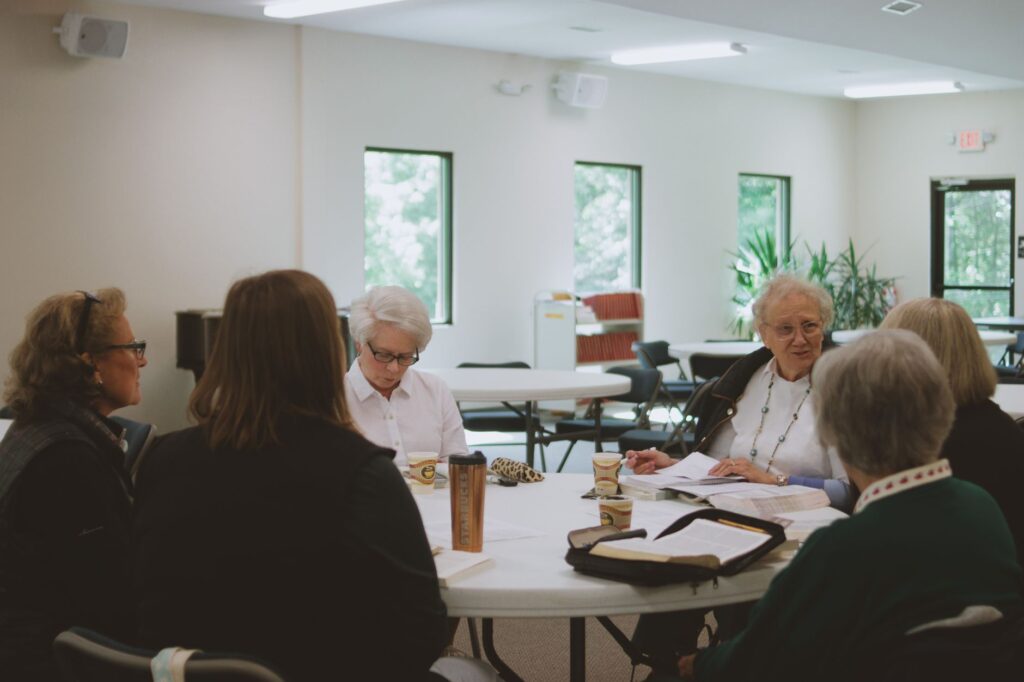
One of the core tenets of the Paul For Nevada education reform initiative is the emphasis on community engagement. Involving parents, local communities, and educators in the reform process is essential for creating a more effective education policy that truly meets the needs of students. When stakeholders have a voice in shaping policies, it leads to improved student outcomes and a more supportive educational environment.
Involving Parents and Local Communities
Parents play a pivotal role in the education of their children and should be actively involved in discussions about the direction of Nevada schools. By fostering strong partnerships between schools and families, we can create a collaborative approach to education reform. This includes organizing community forums where parents and local community members can share their experiences, concerns, and suggestions for improvement. Such forums are not just opportunities for dialogue but also for building trust and understanding between educators and families.
To facilitate this engagement, upcoming initiatives will include a series of town hall meetings where parents can express their views on new policies and practices. These forums aim to gather feedback that can directly inform the Paul For Nevada education reform plans, ensuring that decisions reflect the community’s needs and aspirations.
Feedback from Educators and Stakeholders
Equally important is the input from educators who are on the front lines of teaching and learning. Listening to their insights can help shape education policy that is both realistic and effective. Teachers understand what works in the classroom and what barriers exist, allowing policymakers to create targeted solutions that improve student outcomes.
To harness this valuable feedback, the reform initiative will establish a dedicated advisory committee comprising teachers, administrators, and community leaders. This committee will meet regularly to discuss ongoing challenges and opportunities within Nevada schools, ensuring that the voices of those directly involved in education are heard and integrated into the reform process.
Engaging the community in this way is not just a one-time effort; it’s a continuous process that requires commitment and transparency. By prioritizing community input, we can build a robust education system that meets the diverse needs of Nevada’s students.
Challenges and Criticisms of the Reform Plans
Opposition to Paul’s Education Policy
As with any significant shift in education policy, Paul For Nevada’s education reform plans face a variety of challenges and criticisms. Some opponents argue that his approach may overlook the complexities of Nevada schools, particularly in underserved areas. Critics express concerns that the proposed changes could lead to inequities in funding, as they may prioritize certain districts over others. Additionally, skeptics question whether the emphasis on standardized testing will genuinely improve student outcomes or merely create a system focused on teaching to the test.
While the intention behind these reforms is to enhance educational opportunities for all Nevada students, detractors worry that the implementation may not be as effective as intended. For instance, some educators believe that the proposed measures could reduce the autonomy of local school districts, hampering their ability to address specific community needs.
Addressing Common Concerns in Paul For Nevada Education Reform
Paul acknowledges these criticisms and is committed to addressing them through a transparent and inclusive dialogue with educators, parents, and community stakeholders. He aims to refine his proposals by incorporating feedback from those directly affected by the changes. This adaptability is crucial, as it allows for the potential to adjust strategies based on real-world outcomes and evolving educational landscapes.
Furthermore, Paul’s plans include provisions for ongoing assessments of the reforms. By establishing metrics to evaluate the effectiveness of the changes, he hopes to ensure that the reforms genuinely enhance the quality of education across Nevada schools. The goal is not just to implement reforms but to create a responsive education system that can evolve based on measurable success and community feedback. This way, the focus remains firmly on improving student outcomes and ensuring equitable access to quality education for all.

Taking Action: How to Support Education Reform in Nevada
Supporting education reform in Nevada is crucial for enhancing student outcomes and ensuring that all children receive a quality education. If you’re passionate about this cause, there are several actionable steps you can take to get involved and make a difference in your community.
Participating in Local Initiatives
One of the most effective ways to support Paul For Nevada education reform is by participating in local education initiatives. Here are some ways to get started:
- Join Parent-Teacher Associations (PTAs): PTAs play a vital role in advocating for better resources and policies in Nevada schools. Your involvement can help amplify the voices of parents and teachers alike.
- Attend School Board Meetings: Local school boards influence education policy directly. Attend meetings to learn about ongoing discussions and advocate for changes that align with your vision for education reform.
- Support Local Fundraisers: Participate in or donate to fundraisers that aim to improve school facilities and programs. These funds can help schools implement innovative teaching methods that boost student outcomes.
Advocating for Change in Your Community
Advocacy is essential for driving systemic change in education policy. Here are actionable steps you can take:
- Contact Your Representatives: Reach out to your local and state representatives to express your support for education reform initiatives. Share your opinions on how current policies affect Nevada schools and suggest improvements.
- Stay Informed: Keep up with the latest developments in education policy. Follow trusted sources and local news to stay updated on reforms and initiatives that affect your community.
- Engage with Community Organizations: Connect with local organizations focused on education reform. These groups often have campaigns and events that you can participate in, amplifying your impact.
Your involvement is crucial for the success of Paul For Nevada education reform. By taking these steps, you can play a key role in shaping a brighter future for Nevada’s students.

The vision for Paul For Nevada education reform is rooted in the belief that every student deserves a high-quality education that prepares them for the future. By focusing on innovative education policy and enhancing the resources available for Nevada schools, Paul aims to uplift student outcomes across the state. This approach not only benefits students but also strengthens communities and fosters a culture of lifelong learning.
As we move forward, it is essential for Nevadans to engage with these proposed reforms actively. Consider reaching out to local representatives or participating in community discussions to voice your support for these transformative ideas. Together, we can create an education system that truly meets the needs of all students in Nevada and sets a standard for excellence that future generations will benefit from.
“`html
What are the main goals of Paul For Nevada education reform?
The main goals of Paul For Nevada education reform include improving educational quality, increasing funding for under-resourced Nevada schools, and ensuring equitable access to resources for all students. The reform aims to raise academic standards, enhance teacher training, and provide more support for students with diverse needs. By focusing on these areas, the initiative seeks to create a more effective education system that prepares students for future success.
How will education reform impact Nevada schools?
Education reform is expected to have a significant positive impact on Nevada schools by addressing funding disparities and improving overall educational quality. The reform will allocate more resources to underserved districts, enhance teacher training programs, and implement new curricula focused on critical thinking and problem-solving skills. This support will help ensure that all students receive a high-quality education, regardless of their background or location.
What specific changes are proposed in education policy?
Proposed changes in education policy include increased funding for public schools, the introduction of performance-based teacher evaluations, and the implementation of innovative teaching methods. Additionally, there will be a focus on expanding access to early childhood education and vocational training programs. These changes aim to create a more robust and equitable education system that better serves students in Nevada.
How can parents get involved in education reform efforts?
Parents can get involved in education reform efforts by joining local advocacy groups, attending school board meetings, and voicing their opinions on proposed policies. Engaging with teachers and administrators can also help parents understand the needs of their schools better. Additionally, parents can support initiatives aimed at increasing funding and resources for Nevada schools by contacting their elected representatives and participating in community outreach programs.
What challenges does Paul face with his education plans?
Paul faces several challenges with his education plans, including budget constraints, resistance from some political factions, and the need to gain public support. There may also be pushback from stakeholders who are concerned about changes to existing policies. Addressing these challenges will require effective communication, collaboration, and a commitment to transparency to ensure that all voices are heard in the reform process.
How do education reforms improve student outcomes?
Education reforms improve student outcomes by creating a more supportive and resource-rich learning environment. By increasing funding and enhancing teacher training, reforms can lead to better teaching practices and more engaging curricula. These changes help students develop essential skills, increase academic performance, and ultimately prepare them for higher education and successful careers. The goal is to ensure that all students have the support they need to succeed.
“`