
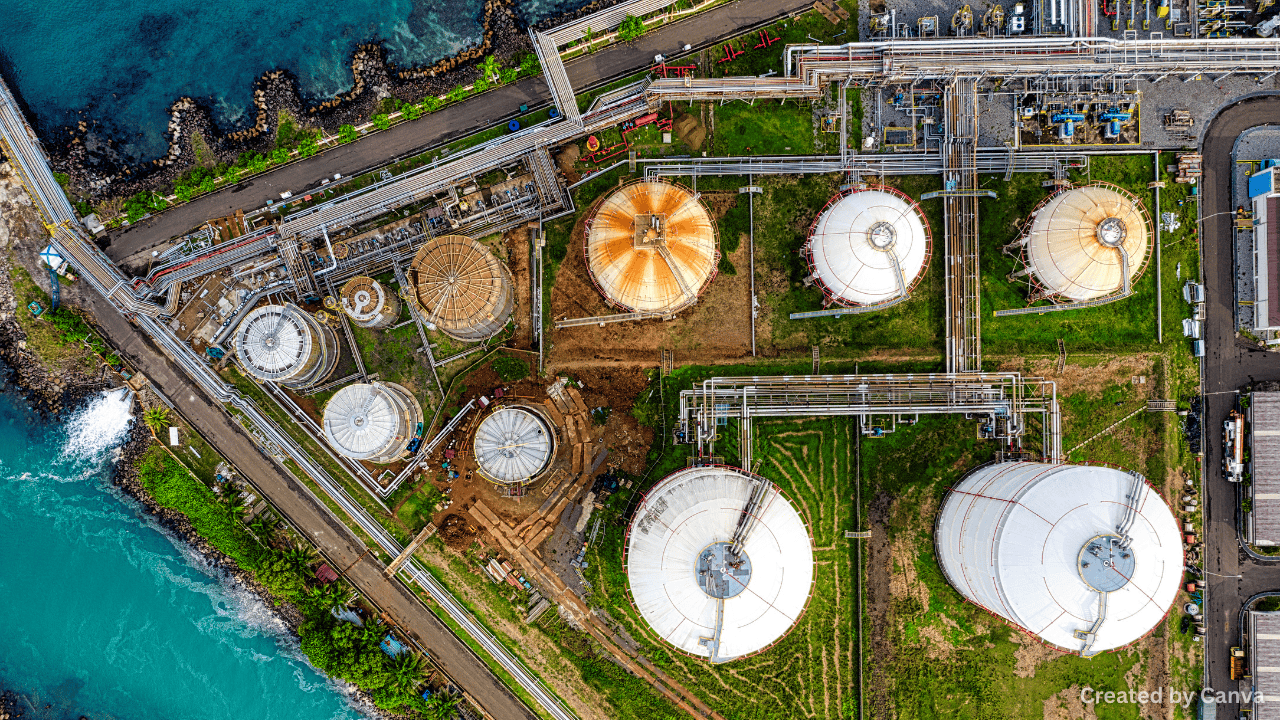
Solar farms, geothermal plants, and a growing number of batteries are often used to tell the story of Nevada’s energy. But the fuels that keep the lights on during peak hours and the goods that keep the economy going depend on reliable delivery. This is where Nevada pipeline development helps with affordability, resilience, and long-term planning in a practical, and sometimes invisible, way. Planning ahead today keeps you from having to make emergency repairs tomorrow and saves money for ratepayers.
Energy Supply and Reliability
Most people in Nevada get their natural gas from pipelines that cross state lines and connect to regional supply basins. Utilities may have to pay more and have less freedom when capacity is low, especially in the winter when it’s cold in nearby states. Strong pipeline performance helps power plants quickly deal with problems on the grid caused by clouds or heat waves. It also helps meet the demand for heating homes and small businesses in the winter, which lowers the risk of sudden price changes.
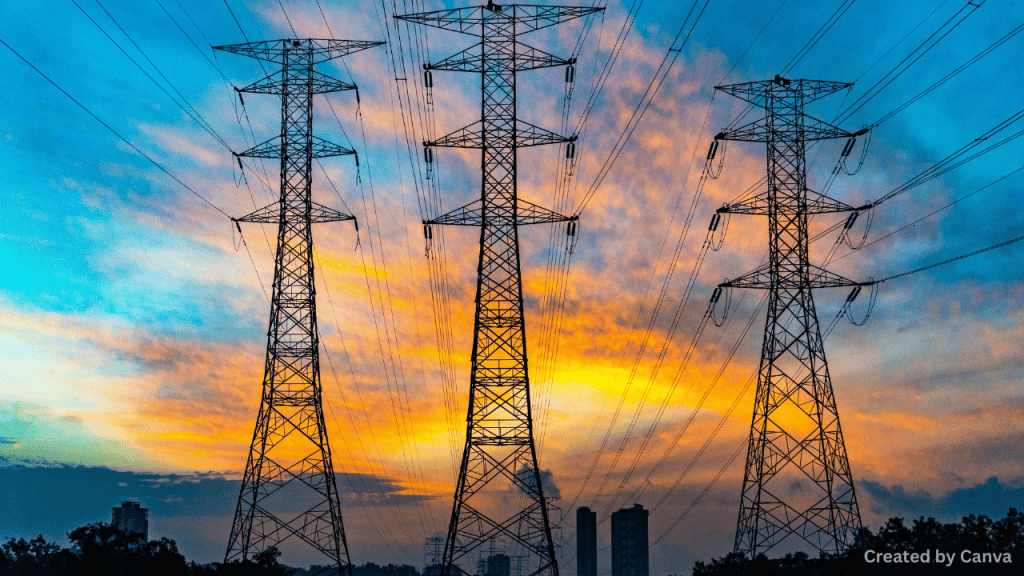
Economic and Transportation Impact
Pipeline corridors affect the movement of energy NV beyond just electricity. Steady logistics are important for Las Vegas tourism, as they need aviation fuel, diesel for freight, and feedstocks for mining and manufacturing. Pipelines can cut down on the number of miles trucks have to drive on rural highways, which can make them safer and less crowded around terminals. Access to reliable fuel is part of basic economic security for Nevada’s remote communities.
Infrastructure Modernization
As the state builds more data centers, electrifies buildings, and looks for cleaner options, its infrastructure needs are changing. Upgraded metering, more interconnects, more storage at key points, and better leak detection are all things that can be part of modernization. New materials and ways of doing things can also keep future paths open. For example, where possible, hydrogen-compatible parts and renewable natural gas blending can help.
Planning and Permitting

Finding the right place and getting permission are still very important. Projects must protect water resources, wildlife habitat, and how people use land in the area, while also having clear plans for how to respond in an emergency. Working together with counties, tribes, and people who live nearby early on can speed things up and make people feel safer.
Questions and Answers
What is the most important thing that Nevada pipeline development will do?
More reliable service during times of high demand, which can keep prices from going up too much for customers.
Does having more pipeline space slow down the growth of renewables?
No, not always. While storage and transmission grow, a flexible gas supply can support renewables.
What can be done to make pipelines safer?
Regular integrity testing, real-time monitoring, and automatic shutoff systems lower risk and speed up response.
Featured Image
Images are by Canva.com