When it comes to Paul Nevada education policies, the future of the state’s education system is at a pivotal moment. As Nevada gears up for significant changes in 2026, understanding the innovative proposals from education advocate Paul is essential for anyone invested in improving education Nevada. This article dives into the top five policies he has proposed, which aim to reshape the landscape of education in the Silver State. Whether it’s enhancing funding for under-resourced schools or introducing new curriculum standards, each policy holds potential for transformative impacts. We will not only explore these initiatives but also analyze how the Paul education plan aligns with broader goals for Nevada education reform 2026. Join us on this journey to discover how these changes could elevate educational outcomes and foster a brighter future for Nevada’s students. Let’s get involved and support the movement for a better education system!
The Need for Education Reform in Nevada
Nevada’s education system has faced significant challenges over the years, resulting in a pressing need for comprehensive reform. According to the Niche ranking, Nevada consistently ranks low in overall educational performance, with issues such as high dropout rates and insufficient funding for schools. The state’s diverse population and varying needs present additional hurdles, making it essential to address these disparities through effective policy changes.
As we approach Nevada education reform 2026, there is an urgent call for innovative approaches to improve educational outcomes for all students. The current landscape reveals that many schools are under-resourced, which impacts student engagement and learning. This situation highlights the necessity for a robust framework that can adapt to the evolving requirements of students, teachers, and communities.
Overview of Paul’s Education Vision
Enter Paul and his ambitious vision for transforming education in Nevada. Paul Nevada education policies aim to tackle these pressing issues head-on, emphasizing inclusivity, resource allocation, and enhanced educational standards. His approach is centered around the belief that every child deserves access to quality education, regardless of their background or socioeconomic status.
Paul’s education plan includes initiatives to increase funding for schools, improve teacher training, and enhance curriculum standards. By focusing on these key areas, he aims to create an environment that fosters learning and growth for all students. Additionally, Paul emphasizes the importance of community involvement in schools, advocating for partnerships between parents, educators, and local organizations to support student success.
One of the standout features of Paul’s vision is his commitment to technology integration in classrooms. By leveraging digital tools and resources, he believes that students can better prepare for the demands of the modern workforce. This forward-thinking strategy not only addresses current gaps in education but also aligns with the broader goals of improving education in Nevada.
As we explore the top five policies proposed by Paul, it becomes clear that his comprehensive approach aims to turn the tide for Nevada’s education system. With a focus on actionable solutions and a clear vision for the future, Paul’s policies could reshape the educational landscape and ensure that all students have the opportunity to succeed.

Top 5 Policies Proposed by Paul for Nevada’s Education System
As Nevada continues to navigate its unique educational challenges, Paul has stepped forward with a comprehensive approach to reforming the system. The Paul education plan focuses on key areas that aim to enhance the quality of education for all students in the state. Here are the top five policies proposed by Paul for improving education in Nevada.
1. Increased Funding for Public Schools
One of the most pressing issues facing Nevada’s education system is inadequate funding for public schools. Paul proposes a significant budget increase to ensure that schools have the necessary resources to provide a quality education. This funding will be allocated towards upgrading facilities, acquiring teaching materials, and implementing essential support services. By investing in public schools, Paul aims to create a more equitable learning environment that caters to the diverse needs of students across the state.
2. Enhanced Teacher Training Programs
Teachers are the backbone of any education system, and Paul recognizes the need for continuous professional development. His proposal includes enhanced training programs that focus on modern teaching methodologies, classroom management, and subject-specific expertise. These programs will not only empower educators but also improve student outcomes, ultimately contributing to the Nevada education reform 2026 goals.
3. Focus on Early Childhood Education
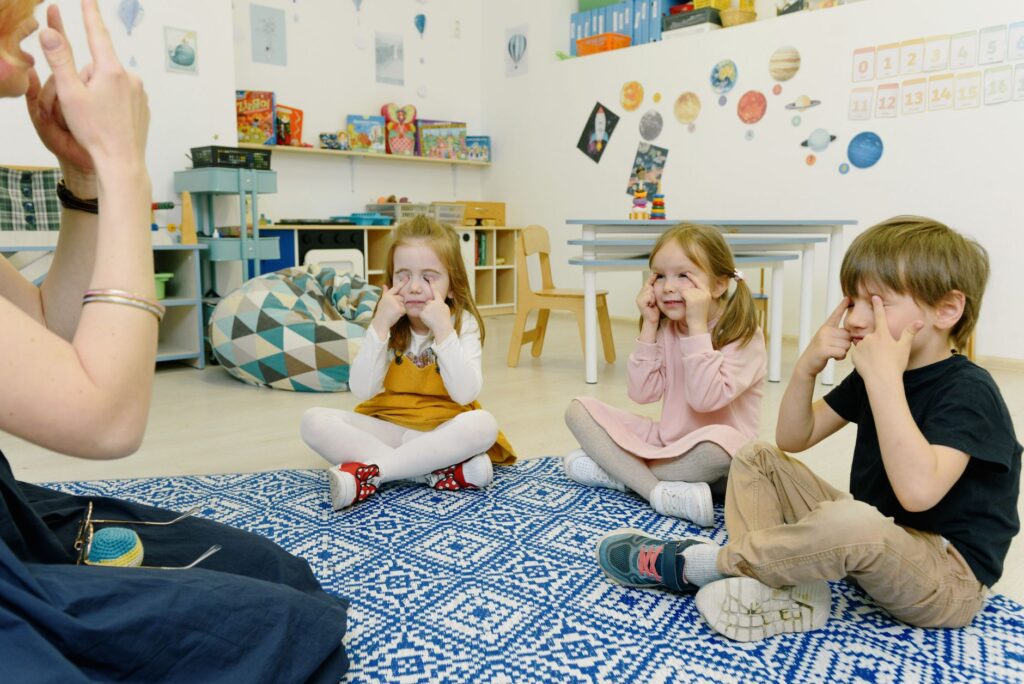
Research shows that early childhood education is crucial for long-term academic success. Paul advocates for increased access to high-quality early childhood programs, ensuring that all children in Nevada have the opportunity to start their education on the right foot. By focusing on early learning, Paul’s policies aim to close the achievement gap and foster a love for learning from a young age.
4. Introduction of STEM Curriculum in Schools
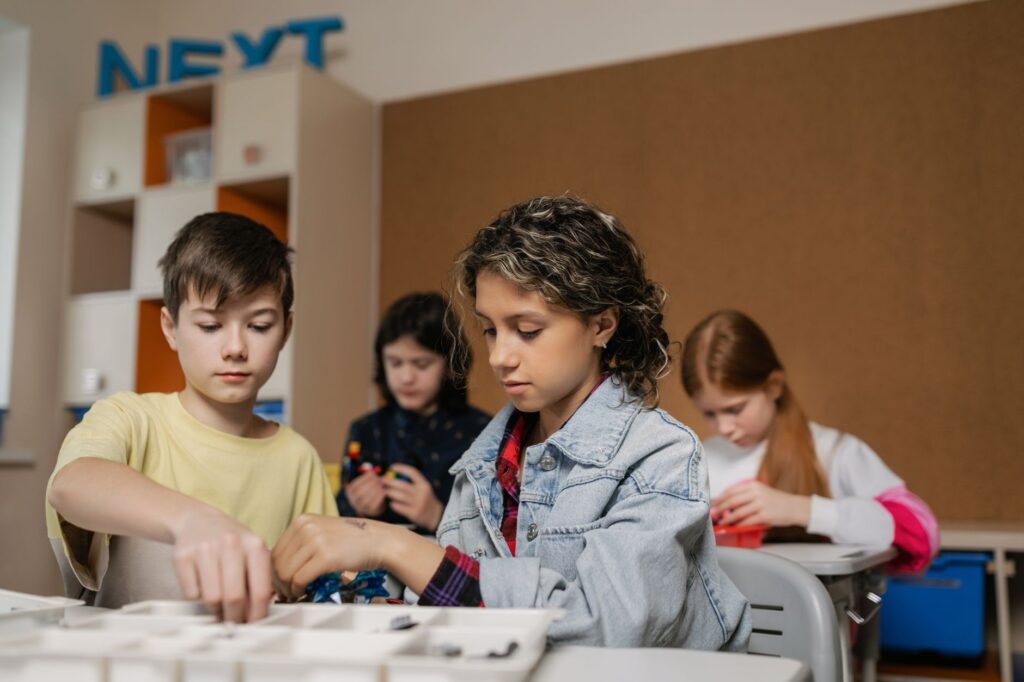
In an increasingly technology-driven world, a strong foundation in STEM (Science, Technology, Engineering, and Mathematics) is essential. Paul proposes the integration of a comprehensive STEM curriculum across all grade levels. This initiative aims to prepare students for future careers, enhance critical thinking skills, and promote innovation. By prioritizing STEM education, Paul is addressing the skills gap that many employers face today.
5. Community Engagement Initiatives
Lastly, Paul emphasizes the importance of community involvement in education. His policies promote initiatives that foster collaboration between schools, families, and local organizations. By building strong community ties, Paul aims to create a supportive network that contributes to student success. Engaging the community not only enriches the educational experience but also ensures that schools are responsive to the needs of the families they serve.
These five policies proposed by Paul for Nevada’s education system represent a holistic approach to improving education in Nevada. By focusing on funding, teacher training, early education, STEM, and community engagement, Paul aims to create a brighter future for all students in the state. For those interested in the future of Nevada’s education, these proposed policies offer a promising roadmap for change.
Analyzing the Impact of Paul Education Plan
Expected Outcomes for Students
The Paul education plan aims to significantly enhance student performance across Nevada. By focusing on personalized learning and increased funding for under-resourced schools, these policies are designed to cater to the individual needs of students, which is particularly crucial in a state where many schools struggle with overcrowding and limited resources. The introduction of targeted tutoring programs and mentorship initiatives is expected to boost academic achievement, specifically in foundational subjects like math and reading.
According to the Nevada Department of Education, schools that implement tailored educational strategies tend to see a marked improvement in student engagement and test scores. This aligns with the broader goals of improving education in Nevada and ensuring that all students have the opportunity to succeed. With the right support systems in place, Nevada could witness a rise in graduation rates and a decrease in dropout rates by 2026.
Long-Term Effects on Nevada’s Education Landscape
As we look towards Nevada education reform 2026, the implications of the Paul Nevada education policies extend beyond immediate student outcomes. These reforms are expected to foster greater community involvement, as parents and local organizations become more engaged in the educational process. By establishing partnerships between schools and community stakeholders, there is potential for a more holistic approach to education, which can lead to sustainable improvements.
Furthermore, by investing in teacher training and professional development, the Paul education plan seeks to empower educators with the skills necessary to effectively implement these changes. Enhanced teacher performance directly correlates with improved student learning experiences, and this virtuous cycle can reshape the educational landscape of Nevada for years to come.
In addition to better academic results, the long-term vision of these policies is to create a more equitable education system. By addressing the disparities in funding and resources, the state can work towards a more balanced educational environment that benefits all students, regardless of their background.

Ultimately, the successful implementation of the Paul education plan could lead to a transformative shift in the way education is perceived and delivered in Nevada, making it a model for other states to follow. As we approach 2026, the focus will be on evaluating these policies’ effectiveness and their ability to meet the evolving needs of students and communities alike.
Call to Action: Supporting Nevada Education Reform 2026
As we stand on the cusp of significant change in Nevada’s education landscape, it is imperative for all of us to rally behind Paul Nevada education policies. These proposed policies aim to reshape our schools and provide a brighter future for our children. By getting involved, you can play a vital role in the success of the Nevada education reform 2026. Here’s how you can contribute to this crucial initiative.
How You Can Get Involved
There are numerous ways individuals and organizations can support the Paul education plan. Here are some actionable steps you can take:
- Engage with Local Schools: Attend school board meetings and community forums to express your support for Paul’s education policies. Your voice matters, and local leaders need to hear from you.
- Advocate on Social Media: Use your platforms to share information about the proposed reforms. Highlight the benefits of improving education Nevada and encourage others to get involved.
- Volunteer with Educational Organizations: Many nonprofits and advocacy groups are working towards similar goals. Partnering with these organizations can amplify your impact and connect you with like-minded individuals.
- Contact Your Representatives: Write to your local and state representatives to express your support for Paul Nevada education policies. Personal letters can make a significant difference in legislative discussions.
Resources for Advocacy and Support
To further assist you in your advocacy efforts, here are some valuable resources:
- Nevada Department of Education – Find official updates and information about educational initiatives in the state.
- Education Week – A reliable source for national education news and trends, helping you stay informed about broader issues that impact Nevada.
- State of Nevada – Check out the latest updates on legislative changes and initiatives that affect the education sector.
By taking these steps, you can become an active participant in the movement for improving education Nevada. Together, we can ensure that the reforms proposed by Paul will create a better educational environment for our children. Your involvement is critical in making these changes a reality, and every action, no matter how small, contributes to a larger goal. Let’s make our voices heard and drive the change we wish to see!
As Nevada looks towards the future, the proposed Paul Nevada education policies are set to play a crucial role in shaping the state’s educational landscape. By focusing on key areas such as early childhood education and teacher retention, the Paul education plan aims to foster an environment that not only prioritizes academic excellence but also addresses the needs of educators and students alike. These initiatives are essential as we approach Nevada education reform 2026, with the potential to significantly enhance learning outcomes across the state.
For those interested in improving education in Nevada, staying informed about these policies is vital. Engaging with local educational boards and community discussions can provide a platform for voicing support or concerns regarding these initiatives. By actively participating, you can contribute to a brighter future for Nevada’s education system, ensuring that every child has access to quality education and the resources they need to succeed.
“`html
What are the key Paul Nevada education policies?
The key Paul Nevada education policies focus on increasing funding for public schools, enhancing teacher training programs, expanding school choice options, implementing performance-based assessments, and integrating technology into the classroom. These policies aim to create a more equitable and efficient education system that meets the diverse needs of Nevada’s students, ensuring that every child has access to quality education.
How will Paul’s education plan improve schools in Nevada?
Paul’s education plan aims to improve schools in Nevada by prioritizing funding for under-resourced schools, fostering community partnerships, and promoting innovative teaching methods. By focusing on personalized learning and providing comprehensive support for both students and teachers, the plan seeks to raise academic performance and engagement levels across the state, ultimately leading to improved educational outcomes.
What is the timeline for Nevada education reform 2026?
The timeline for Nevada education reform 2026 includes several key milestones, such as the implementation of new funding formulas and educational standards by 2024. By 2025, schools will begin to adopt the proposed changes, with full implementation anticipated by the 2026 school year. This phased approach allows stakeholders to adapt and provides time for necessary adjustments based on feedback and outcomes.
How can I support education reform in Nevada?
You can support education reform in Nevada by engaging with local school boards, attending community meetings, and advocating for policies that align with Paul’s education plan. Additionally, consider joining or supporting local advocacy groups focused on education reform, volunteering in schools, and sharing information about the importance of these reforms with your network to build awareness and support.
What are the expected benefits of Paul’s education policies?
The expected benefits of Paul’s education policies include improved student performance, increased teacher retention and satisfaction, and greater access to quality education for all students. By emphasizing personalized learning and equitable funding, these policies aim to close achievement gaps and prepare Nevada’s students for successful futures in a competitive job market.
Where can I find more information on Nevada education initiatives?
For more information on Nevada education initiatives, visit the Nevada Department of Education’s official website, where you can find resources, reports, and updates on ongoing reforms. Additionally, local educational advocacy organizations often provide insights and data on various initiatives. Following reputable news outlets that cover education policy can also keep you informed about developments in the state’s education system.
“`