Paul For Nevada environmental policies aim to reshape our state’s approach to sustainability and climate resilience. As we navigate the complexities of the Nevada climate change plan, understanding these policies becomes crucial to addressing pressing 2026 environmental issues. This article will explore the key initiatives within Paul For Nevada environmental policies that focus on promoting sustainability, enhancing community engagement, and involving stakeholders in developing actionable solutions. We will also discuss the future of Nevada’s environment under these policies, highlighting how they aim to create a more sustainable state for generations to come. Lastly, we will provide actionable takeaways for residents who want to get involved and contribute to the broader goals of Paul For Nevada sustainability. So, whether you’re a concerned citizen or a stakeholder in the community, this guide will equip you with the knowledge to understand and support these important environmental initiatives.
Understanding Paul For Nevada Environmental Policies
Overview of Paul For Nevada’s Environmental Goals
Paul For Nevada environmental policies aim to address pressing environmental challenges while promoting sustainability across the state. With the increasing urgency surrounding climate change, these policies prioritize clean energy, water conservation, and the protection of wildlife habitats. By embracing innovative solutions and community engagement, Paul For Nevada envisions a healthier, more sustainable future for all Nevadans.
One of the cornerstones of these policies is the Nevada climate change plan, which outlines strategic initiatives to mitigate the impacts of climate change. The plan emphasizes reducing greenhouse gas emissions, enhancing energy efficiency, and transitioning to renewable energy sources. These efforts are crucial as Nevada faces a series of environmental challenges, particularly as we approach the critical 2026 environmental issues that will require urgent action and a collaborative response from both policymakers and citizens.
The Impact of Climate Change on Nevada
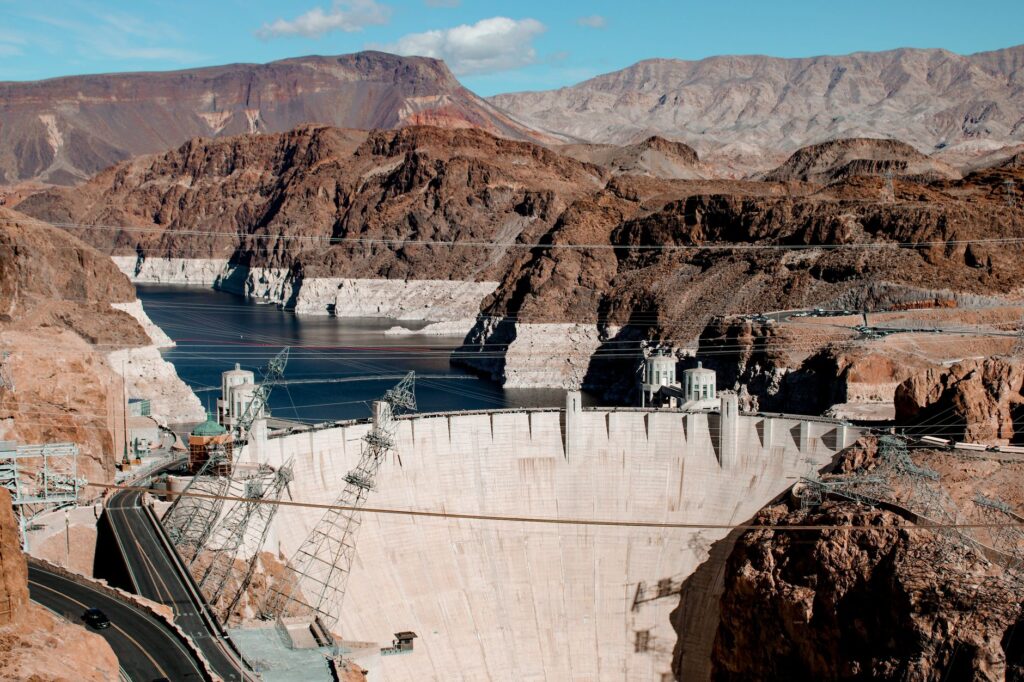
Nevada is not immune to the effects of climate change. Rising temperatures, prolonged droughts, and unpredictable weather patterns threaten the state’s natural resources and communities. According to the Nevada Division of Environmental Protection, the state is experiencing increased wildfire risks, diminished water supply, and habitat loss for native species. These factors underscore the importance of proactive measures in addressing climate-related challenges.
Through Paul For Nevada sustainability initiatives, the state aims to enhance resilience against these environmental shifts. This encompasses promoting sustainable agricultural practices, investing in green infrastructure, and educating the public about conservation efforts. As Nevadans look ahead, it is essential to engage in meaningful conversations about the future of our environment and the policies that will shape it.
By understanding and supporting Paul For Nevada environmental policies, individuals can contribute to a collective effort to secure a sustainable and thriving environment for generations to come. Engaging with local initiatives and advocating for effective climate action are vital steps each person can take.
For more insights and detailed discussions on environmental policies, consider exploring Paul For Nevada Climate Change Policies Explained.
Key Initiatives in Paul For Nevada Environmental Policies
Sustainability Efforts and Strategies Under Paul For Nevada Environmental Policies
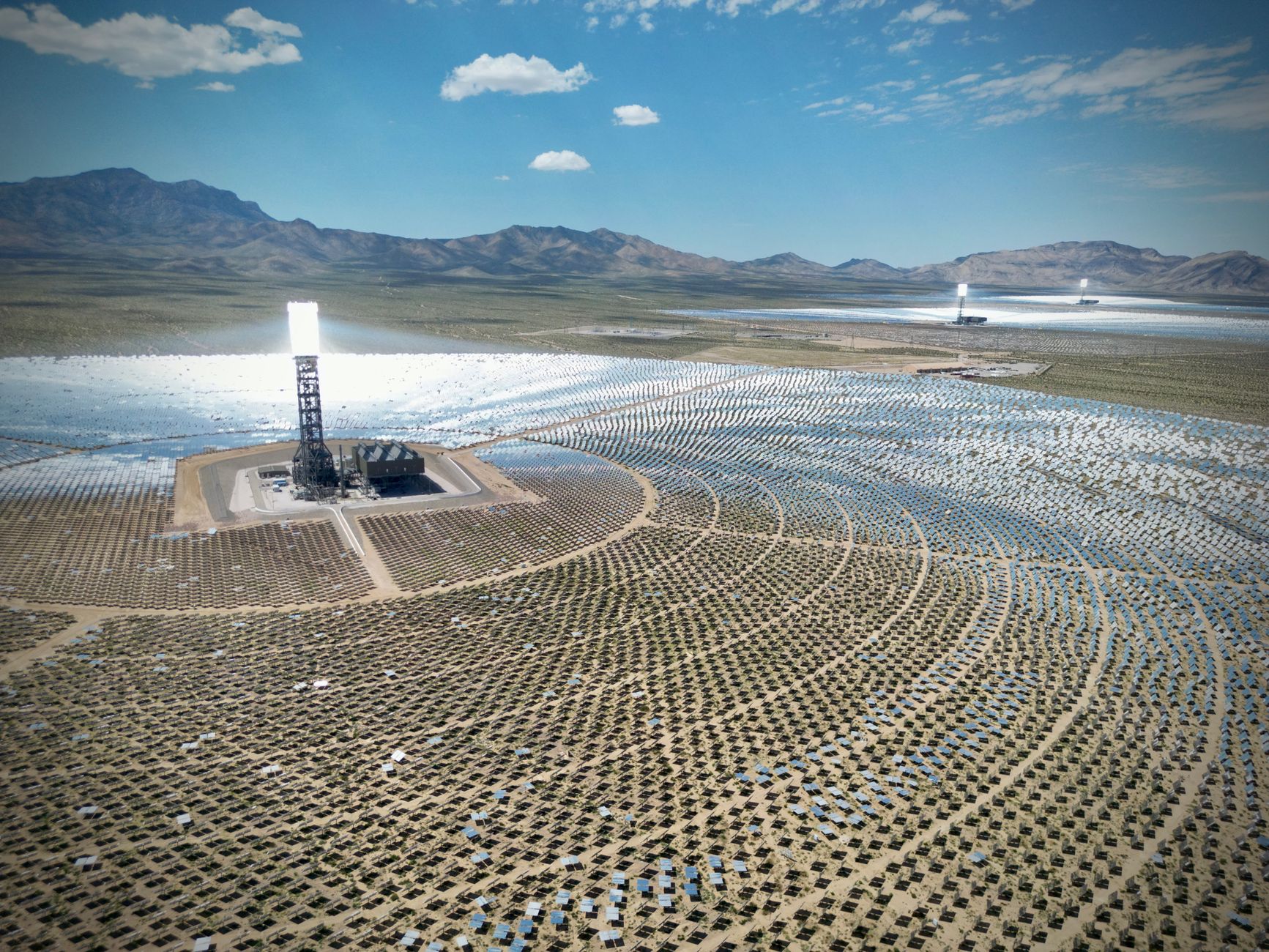
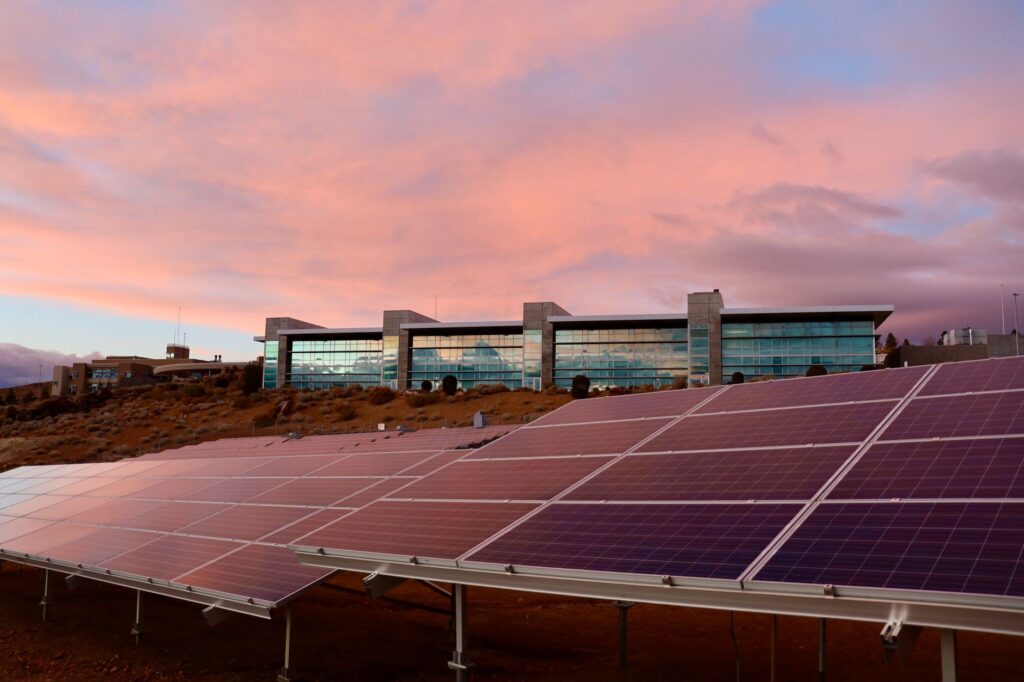
Paul For Nevada environmental policies emphasize sustainability as a cornerstone for long-term ecological health. One of the key initiatives focuses on renewable energy expansion, aiming to increase Nevada’s reliance on solar and wind energy. By investing in solar farms and wind projects, the initiative not only reduces greenhouse gas emissions but also creates jobs in the renewable sector. In fact, Nevada aims to achieve 50% renewable energy by 2030, a goal that aligns with broader Nevada climate change plans.
Another significant strategy is promoting sustainable agriculture practices. This initiative encourages local farmers to adopt methods that conserve water and maintain soil health. For instance, programs that support drip irrigation and organic farming are gaining traction, which ultimately contributes to both environmental and economic sustainability. Additionally, educational campaigns are being rolled out to inform communities about the benefits of consuming locally sourced products, which can reduce carbon footprints and enhance community resilience.

Addressing 2026 Environmental Issues
As Nevada approaches the critical 2026 environmental issues deadline, Paul For Nevada’s policies are designed to mitigate the impact of climate change and resource depletion. One proactive measure is the enhancement of water conservation programs. With projections showing potential drought conditions, initiatives are underway to promote water-saving technologies, such as smart irrigation systems and rainwater harvesting. These strategies not only preserve water resources but also prepare the state for future challenges.
Additionally, the Paul For Nevada sustainability policies include plans for increasing urban green spaces. More parks and green roofs in cities can help combat urban heat islands and enhance air quality. This aligns with broader environmental goals and addresses public health concerns, demonstrating that well-planned urban environments contribute significantly to climate resilience.
Through these comprehensive initiatives, Paul For Nevada environmental policies not only tackle immediate concerns but also lay the groundwork for a sustainable future. For more detailed information on specific programs and updates, you can explore Paul’s Environmental Policies Impacting Nevada.
The Role of Community and Stakeholders in Environmental Sustainability
Effective environmental policies cannot thrive in isolation; they require the active engagement of local communities and stakeholders. This principle is central to Paul For Nevada environmental policies, which emphasize collaboration and grassroots involvement to foster sustainable practices. Engaging citizens not only raises awareness about environmental issues, but also empowers them to contribute solutions. This participatory approach is vital for addressing the challenges outlined in the Nevada climate change plan and tackling pressing 2026 environmental issues.
Engaging Local Communities
Community engagement is the heartbeat of any successful environmental initiative. By fostering a sense of ownership among residents, Paul For Nevada sustainability efforts can be more impactful. Public forums, workshops, and educational campaigns help to inform citizens about environmental challenges and encourage their participation in local solutions. For instance, initiatives that promote recycling, water conservation, and renewable energy adoption can significantly reduce ecological footprints when community members are actively involved.
Moreover, local feedback can guide policy adjustments, ensuring that they are effective and relevant. For example, when residents voice concerns about air quality or waste management, policymakers can tailor strategies that address these specific issues, thereby improving overall community health and environmental quality.
Collaboration with Organizations
Partnerships with local organizations and stakeholders are equally important in advancing Paul For Nevada environmental policies. Collaborating with NGOs, educational institutions, and businesses can amplify the reach and effectiveness of sustainability initiatives. These partnerships can lead to innovative solutions that might not have emerged in a vacuum. For example, working with universities can facilitate research on best practices in conservation and climate resilience, while businesses can provide resources for community projects.
Additionally, organizations focused on environmental advocacy can lend their expertise in navigating complex policy landscapes, ensuring that initiatives align with broader state and national goals. This collaborative framework is essential for the successful implementation of the Nevada climate change plan, as it creates a network of support that can drive meaningful change.
Ultimately, the success of environmental policies lies in their ability to connect with the community and leverage the strengths of diverse stakeholders. By prioritizing engagement and collaboration, Paul For Nevada environmental policies can create a sustainable future for all Nevadans.
The Future of Nevada’s Environment under Paul For Nevada Environmental Policies
Long-term Vision for Sustainability
Under the leadership of Paul For Nevada, the state’s environmental policies aim to create a sustainable future that addresses pressing challenges such as climate change and resource management. Central to this vision is the Nevada climate change plan, which sets ambitious targets for reducing greenhouse gas emissions and promoting renewable energy. This plan is not just about compliance; it’s about leading the way towards a greener Nevada, ensuring that future generations inherit a state that values ecological integrity.
Paul For Nevada emphasizes the importance of community engagement and collaboration in implementing these policies. By fostering partnerships with local governments, businesses, and residents, the initiative aims to create actionable solutions tailored to the unique needs of each community. This approach ensures that sustainability is not just a top-down mandate but a collective goal shared by all Nevadans.
Moreover, the Paul For Nevada sustainability strategy focuses on innovative practices that can serve as models for other states. From enhancing water conservation techniques to promoting sustainable agriculture, the policies are designed to be adaptable and resilient in the face of ongoing environmental changes.
Expected Outcomes and Benefits of Paul For Nevada Environmental Policies
The expected outcomes of these environmental policies are multi-faceted. First and foremost, a significant reduction in carbon emissions is anticipated by 2026, aligning with national and global efforts to combat climate change. By transitioning towards renewable energy sources like solar and wind, Nevada could potentially become a leader in clean energy production.
In addition to environmental benefits, these policies could stimulate economic growth. Investments in green technology and infrastructure are projected to create thousands of jobs, helping to address the state’s unemployment challenges. This economic boost is essential, particularly as Nevada navigates through the complexities of 2026 environmental issues that will arise from climate impacts.
Ultimately, the holistic approach advocated by Paul For Nevada environmental policies aims to enhance the quality of life for all residents. Cleaner air, sustainable water resources, and vibrant ecosystems are just a few of the benefits that Nevadans can look forward to as these policies take effect.

Actionable Takeaways for Residents
As Nevadans, we hold the power to shape our environment and support initiatives that align with Paul For Nevada environmental policies. Engaging in local efforts not only enhances our community but also contributes to broader sustainability goals. Here are some practical steps you can take to make a difference.
How You Can Participate
- Join Local Environmental Groups: Many organizations advocate for sustainable practices in Nevada. Consider joining groups focusing on the Nevada climate change plan or other environmental policies. These organizations often organize events, campaigns, and educational programs where you can lend your support.
- Attend Community Events: Keep an eye out for local clean-up days, tree planting events, and sustainability workshops. Participating in these activities not only helps the environment but also connects you with like-minded residents. Check local community boards or social media for upcoming events.
- Advocate for Policy Changes: Engage with your local representatives and express support for Paul For Nevada sustainability initiatives. Write letters, attend town hall meetings, or join advocacy campaigns aimed at addressing the 2026 environmental issues facing our state.
Supporting Sustainable Practices
- Reduce, Reuse, Recycle: Familiarize yourself with local recycling guidelines and make an effort to reduce waste. Opt for reusable bags, bottles, and containers to minimize single-use plastics.
- Conserve Water and Energy: Implement practices such as fixing leaks, using energy-efficient appliances, and utilizing natural light whenever possible. These small changes can significantly impact our environment.
- Choose Sustainable Transportation: Whenever feasible, walk, bike, or use public transit. Carpooling can also reduce your carbon footprint and help alleviate traffic congestion.
By taking these steps, you can actively contribute to the success of Paul For Nevada environmental policies and create a healthier environment for current and future generations. Every action counts, and together we can make a significant impact in addressing climate change and promoting sustainability.
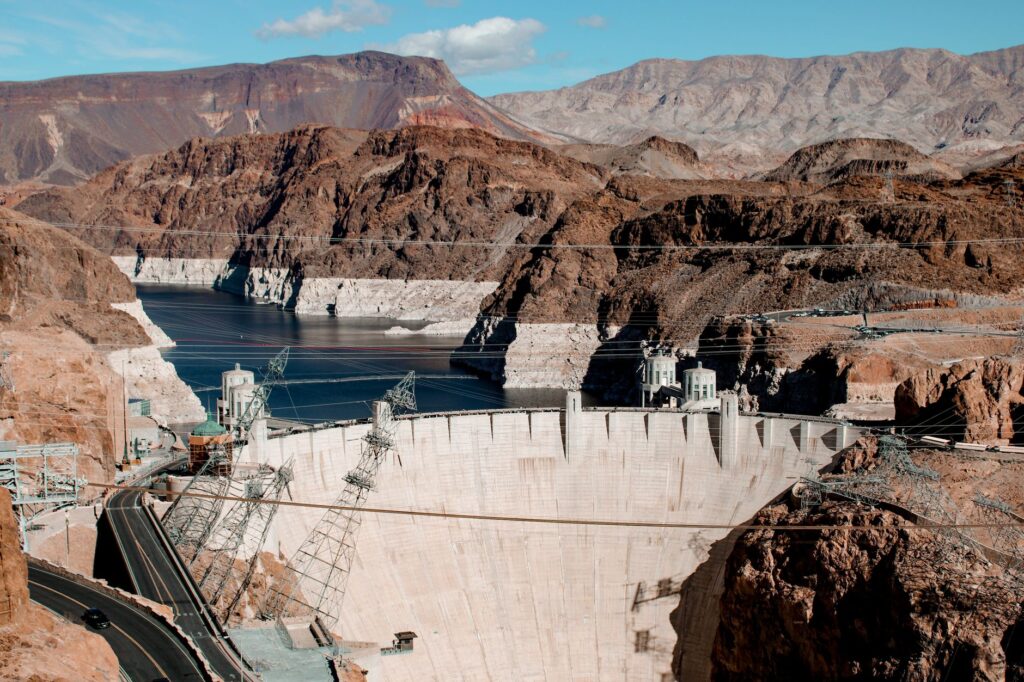
Understanding the Paul For Nevada environmental policies gives us insight into how the state plans to address pressing issues like climate change. With the implementation of a comprehensive Nevada climate change plan, these policies aim to promote sustainability and tackle 2026 environmental issues head-on. By prioritizing renewable energy and conservation efforts, Paul For Nevada is setting a precedent for environmental responsibility that can benefit both current and future generations.
As you consider the implications of these policies, think about how you can get involved in promoting Paul For Nevada sustainability in your own community. Whether it’s advocating for local initiatives or engaging in discussions about climate action, every step counts. Stay informed and connected to the ongoing developments in Nevada’s environmental landscape, and join the conversation to create a greener future for all.
“`html
What are Paul For Nevada’s environmental policies?
Paul For Nevada’s environmental policies focus on promoting sustainable practices and addressing climate change. The initiative advocates for renewable energy sources, conservation efforts, and reducing carbon emissions. By prioritizing environmental protection, these policies aim to create a greener and healthier Nevada for future generations. A detailed overview of these policies can be found in various state resources.
How does Nevada’s climate change plan work?
Nevada’s climate change plan works by establishing targets for reducing greenhouse gas emissions and outlining strategies for adaptation and resilience. The plan includes measures to increase energy efficiency, invest in renewable energy, and foster community engagement. Stakeholders, including businesses and local governments, collaborate to implement these strategies effectively. For more details, refer to the state’s official climate documents.
What are the key 2026 environmental issues in Nevada?
The key 2026 environmental issues in Nevada include water resource management, air quality improvement, and biodiversity conservation. As the state faces challenges from climate change, addressing these issues becomes crucial for sustainable development. The government and local organizations are actively working on initiatives to mitigate these challenges and promote a healthier environment for all residents.
How can I support Paul For Nevada’s sustainability efforts?
You can support Paul For Nevada’s sustainability efforts by participating in community clean-up events, advocating for renewable energy initiatives, and educating others about environmental issues. Volunteering with local environmental organizations and attending public meetings can also amplify your impact. Engaging with these efforts helps raise awareness and fosters a collective commitment to sustainable practices in the community.
What initiatives are included in Paul For Nevada’s environmental policies?
Paul For Nevada’s environmental policies include initiatives aimed at enhancing renewable energy production, improving waste management systems, and protecting natural habitats. Specific programs focus on solar energy expansion, promoting electric vehicles, and implementing stricter regulations on pollution. These initiatives work together to create a comprehensive approach to environmental sustainability in Nevada.
How can communities engage with environmental policies in Nevada?
Communities can engage with environmental policies in Nevada by participating in public forums, providing input during policy development, and collaborating with local government agencies. Joining local environmental groups and attending educational workshops can also empower residents to advocate for sustainable practices. This engagement fosters a sense of ownership and responsibility towards environmental stewardship in their communities.
“`