
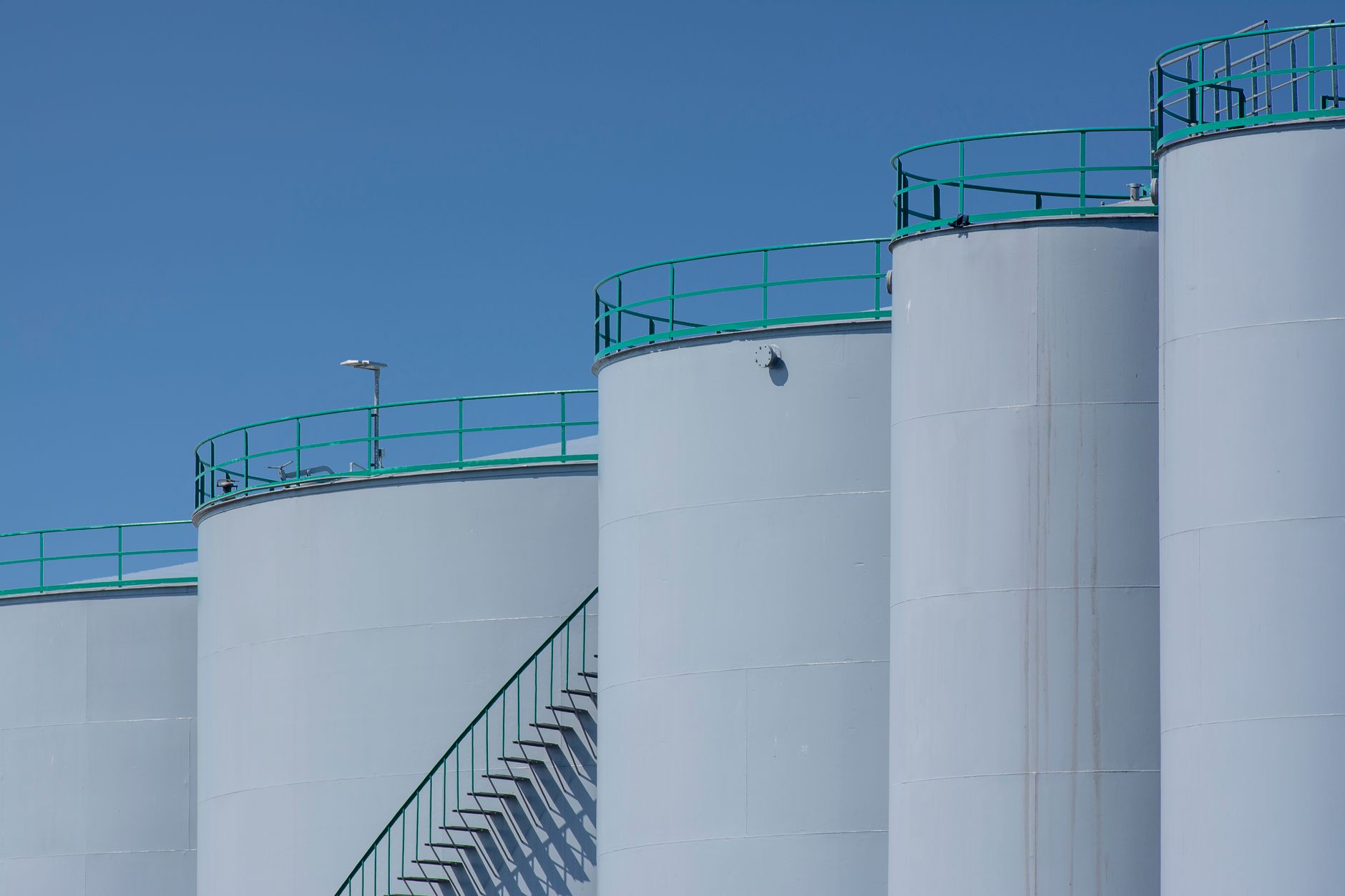
The strategic petroleum reserve is a crucial component of national energy security, acting as a buffer against supply disruptions and price volatility in oil markets. Established to ensure that the United States has access to fuel reserves during times of crisis, this reserve plays a pivotal role in energy emergency planning. In this article, we will explore what the strategic petroleum reserve entails, its significance in shaping energy policy, and how it impacts oil markets both domestically and internationally. We will also examine the implications of this reserve for future energy strategies and the ongoing debates surrounding its management and utilization. As global energy dynamics evolve, understanding the strategic petroleum reserve becomes increasingly important for policymakers, businesses, and consumers alike. Join us as we delve into the complexities and future outlook of this vital resource.
Understanding the Strategic Petroleum Reserve
History and Purpose of the Reserve
The strategic petroleum reserve (SPR) was established in the wake of the 1973 oil crisis, a time when oil supply disruptions led to significant economic turmoil and fuel shortages. Recognizing the vulnerability of energy supplies, the U.S. government initiated this reserve to serve as a safeguard against future energy crises. The primary purpose of the SPR is to mitigate the impact of supply disruptions caused by geopolitical tensions, natural disasters, or other emergencies that could threaten the stability of the oil markets.
Since its inception, the SPR has grown to be the largest government-owned emergency fuel reserve in the world, currently holding approximately 714 million barrels of crude oil. This strategic stockpile plays a critical role in energy emergency planning, ensuring that the nation has a buffer against unexpected disruptions. The reserve is not just a precaution but a strategic asset that can be tapped into to stabilize domestic fuel supplies and prices during crises.
How it Works and Its Current Status
The SPR operates as a reserve of crude oil stored in underground salt caverns along the Gulf Coast. In the event of a supply disruption, the government can release oil from the reserve to the market, helping to alleviate shortages and stabilize prices. The Department of Energy is responsible for the management and operation of the SPR, regularly conducting tests and maintaining the integrity of the storage facilities.
As of now, the SPR has been utilized multiple times in response to various events, such as hurricanes and geopolitical strife. For instance, in 2021, the reserve was tapped to help address rising fuel prices exacerbated by the COVID-19 pandemic and subsequent supply chain disruptions. Such actions highlight the importance of the SPR in shaping energy policy and ensuring that the country remains resilient against potential shocks in the oil markets.

The Role of the Strategic Petroleum Reserve in Energy Emergency Planning
Assessing Energy Risks
The strategic petroleum reserve (SPR) serves as a vital safety net in energy emergency planning, safeguarding against potential disruptions in oil supply. As geopolitical tensions, natural disasters, and economic fluctuations threaten energy stability, the SPR provides a buffer that can be tapped into during crises. For example, during the Gulf War in 1991, the U.S. released oil from the SPR to counteract the sudden spike in oil prices caused by the conflict. This action not only mitigated the immediate impact on consumers but also helped stabilize the oil markets during a turbulent period.
In recent years, factors such as increasing global demand and supply chain vulnerabilities have heightened the need for robust energy policy frameworks. As nations assess their energy risks, the SPR stands out as a cornerstone of fuel reserves, enabling governments to respond effectively to unforeseen disruptions. By having these reserves, countries can avoid drastic price hikes and maintain economic stability, which is essential for both consumers and businesses alike.
Strategic Releases and Their Impact
Strategic releases from the SPR have profound implications for oil markets. For instance, in 2021, the Biden administration announced a coordinated release of oil reserves with other nations to address rising fuel prices and supply chain issues exacerbated by the COVID-19 pandemic. This move not only aimed to stabilize domestic fuel costs but also showcased the interconnectedness of global oil markets. When the U.S. adjusts its supply, it can influence prices worldwide, demonstrating how the SPR is not just a national asset but a tool in global energy diplomacy.
Looking ahead, the role of the strategic petroleum reserve in energy emergency planning will likely evolve. As renewable energy sources gain prominence, the SPR may need to adapt to new energy realities. However, its fundamental purpose, to ensure national energy security, will remain crucial as we navigate an increasingly complex energy landscape. Balancing the release of reserves with long-term energy strategies will be a key challenge for policymakers aiming to secure a stable and sustainable energy future.
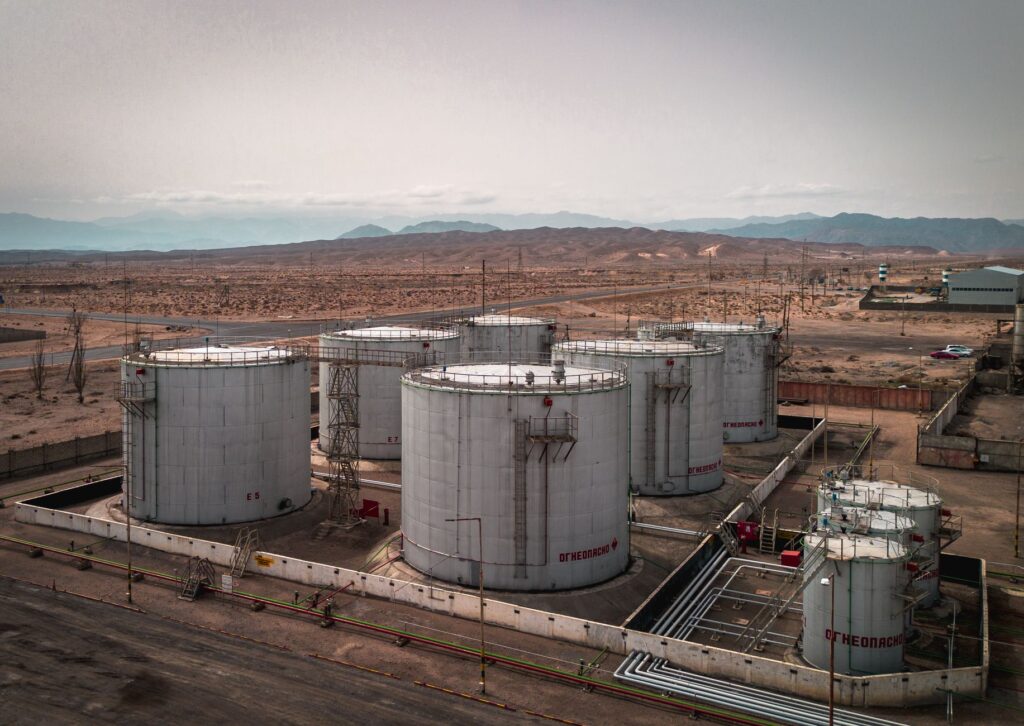
Strategic Petroleum Reserve and Energy Policy
Federal Policies and Decisions
The strategic petroleum reserve (SPR) has long been a cornerstone of U.S. energy policy, serving as a safeguard against energy emergencies. Recent geopolitical tensions, such as conflicts in oil-producing regions, have renewed discussions about the reserve’s role in stabilizing oil markets. The Biden administration’s decision to release oil from the SPR in response to rising fuel prices highlighted its importance in immediate crisis management, aiming to alleviate pressure on consumers and businesses alike. Such federal policies reflect a commitment to using the SPR as a tool for energy emergency planning, ensuring that the nation can respond swiftly to supply disruptions.
However, the reserve’s future isn’t solely about reacting to crises. As the U.S. moves toward a more sustainable energy landscape, there are important questions about how the SPR will fit into broader energy policies. Will it continue to serve as a buffer for fossil fuel markets, or will it be repurposed to support renewable energy initiatives? The decisions made now regarding the SPR could have lasting implications for energy security and economic stability.
The Future of the Reserve in Energy Transition
As the world increasingly prioritizes sustainability, the strategic petroleum reserve must adapt to a changing energy landscape. Transitioning to renewable energy sources poses challenges for existing fuel reserves, as the reliance on oil diminishes. Policymakers are now tasked with reevaluating the SPR’s purpose. It could evolve into a reserve for biofuels or other sustainable energy sources, thus remaining relevant in a decarbonized economy. This transition will require careful planning, investment, and innovation, as the U.S. navigates its energy future.
Moreover, the implications of this transition extend beyond oil markets; they touch on issues of energy independence and environmental sustainability. The strategic petroleum reserve could play a significant role in balancing immediate energy needs with long-term climate goals. As the government continues to formulate energy policy, the SPR could become a symbol of resilience and adaptability, crucial for navigating both current crises and future energy demands.
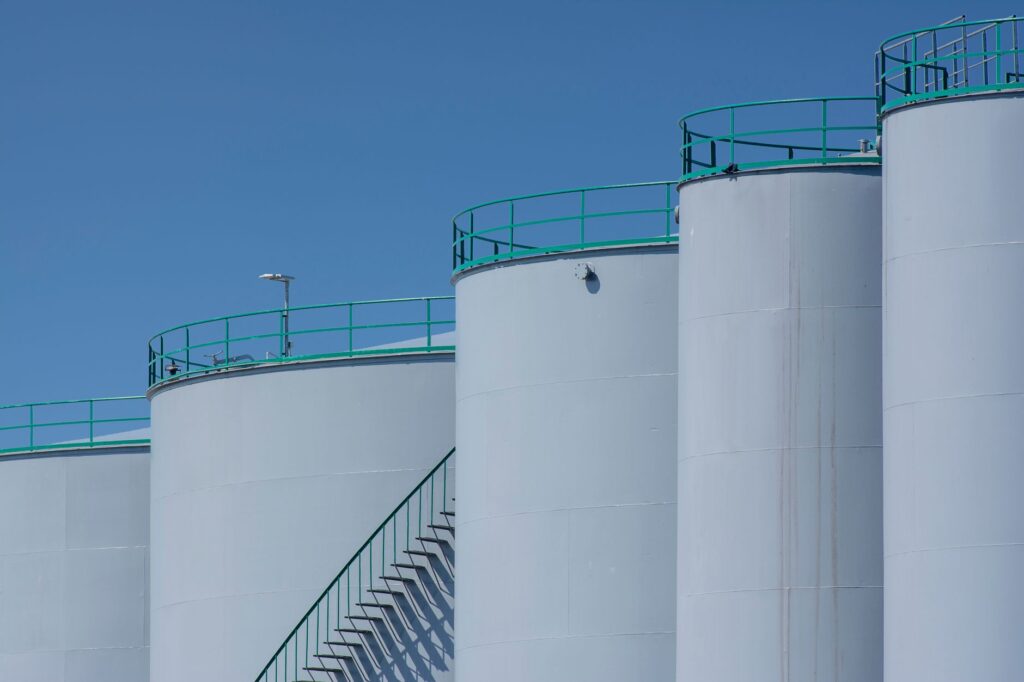
Implications for Oil Markets
Market Reactions to Reserve Releases
The management of the strategic petroleum reserve (SPR) can significantly impact oil markets, particularly when the U.S. government decides to release reserves to stabilize prices or respond to supply disruptions. For instance, during periods of geopolitical tension or natural disasters, the release of oil from the SPR often results in immediate price adjustments in global oil markets. When the U.S. announced its largest release from the SPR in response to rising gas prices in 2022, crude oil prices saw a notable decline, demonstrating the reserve’s role as a buffer against price spikes. This reaction underscores the importance of energy emergency planning, as timely reserve releases can help mitigate the volatility that typically accompanies supply shocks.
Additionally, the anticipation of reserve releases can also lead to preemptive market reactions. Traders may adjust their positions based on rumors or announcements regarding the SPR, which can create short-term fluctuations in oil prices even before any actual barrels are made available. Such dynamics highlight the interplay between reserve management and the broader oil supply landscape, where perceptions can be just as influential as actual supply levels.
Long-term Impacts on Oil Prices and Strategic Petroleum Reserve Management
In the long term, the implications of using the strategic petroleum reserve extend beyond immediate price corrections. Frequent withdrawals can undermine the perception of the SPR as a dependable resource, potentially leading to increased volatility in oil prices as markets react to the perceived depletion of fuel reserves. If the U.S. continues to rely heavily on the SPR for market stabilization, it may inadvertently set a precedent that could alter how countries view their own oil reserves and energy policy. This shift could encourage nations to adopt more aggressive stances in their energy strategies, impacting global supply dynamics.
Moreover, sustained reliance on the SPR could lead to challenges in maintaining adequate fuel reserves for genuine emergencies. Policymakers must carefully balance the use of the reserve in response to current market pressures while ensuring it remains a robust tool for future crises. As we look ahead, the interplay between reserve management and oil markets will likely shape the landscape of global energy, necessitating a nuanced approach to energy policy that considers both immediate needs and long-term stability.
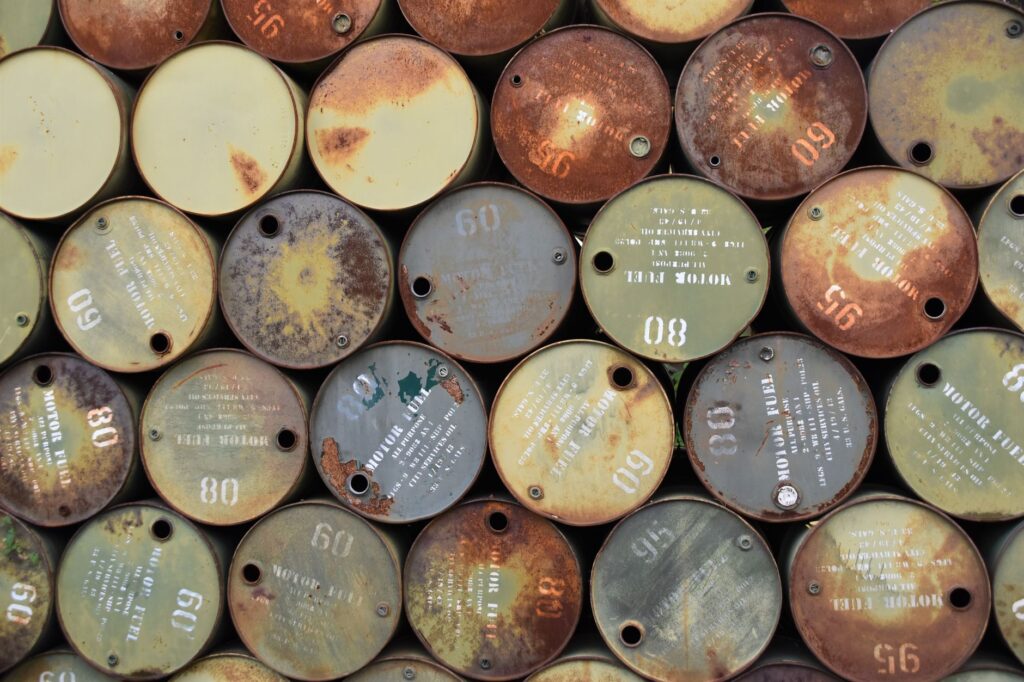
Looking Ahead: The Future of the Strategic Petroleum Reserve
Emerging Trends in Energy Security
The landscape of energy security is evolving rapidly, influenced by geopolitical tensions, market volatility, and the pressing need for sustainability. The strategic petroleum reserve remains a critical component of national energy emergency planning, providing a buffer against supply disruptions. However, as the world shifts towards greener energy solutions, the role of these fuel reserves may need to adapt. According to the U.S. Energy Information Administration, the reserve holds over 600 million barrels of crude oil, illustrating its significance. Yet, the unpredictability of oil markets means that reliance on such reserves may not be as straightforward as it once was.
Balancing Reserves with Renewable Energy
As the global community increasingly embraces renewable energy sources, integrating the strategic petroleum reserve with these initiatives could be a game-changer. Future energy policy may prioritize not only the maintenance of fuel reserves but also the promotion of alternative energy solutions. For instance, hybrid systems that utilize both oil reserves and renewable sources could enhance energy resilience. This approach not only addresses the immediate need for supply security but also aligns with long-term decarbonization goals.
In a decarbonizing world, the relevance of the strategic petroleum reserve will hinge on its ability to coexist with renewable energy strategies. Policymakers must consider how these reserves can be leveraged during transitions, ensuring that energy security remains intact while minimizing environmental impact. The evolution of the strategic petroleum reserve is not just about oil; it’s about creating a balanced energy future that incorporates sustainability and security as foundational elements.

As we look ahead, the dialogue surrounding the strategic petroleum reserve, energy policy, and fuel reserves will become increasingly vital. The ability to adapt to changing circumstances in both the oil markets and the renewable sector will define the future of energy security.
The strategic petroleum reserve plays a vital role in maintaining the stability of oil markets and ensuring energy security for the nation. By holding significant fuel reserves, the reserve acts as a buffer during crises, helping to mitigate the impacts of supply disruptions. As we navigate an increasingly unpredictable global landscape, effective energy emergency planning becomes essential to safeguard against potential shortages and price volatility.
Understanding the nuances of the strategic petroleum reserve can empower individuals and policymakers alike to make informed decisions that influence energy policy. Staying informed about these reserves not only enhances awareness of how they function within the broader energy framework but also encourages proactive measures in times of need. For those interested in learning more about the implications of our fuel reserves, consider exploring the impact of the strategic petroleum reserve on local economies and national energy strategies.
“`html
What is the strategic petroleum reserve and why is it important?
The strategic petroleum reserve (SPR) is a stockpile of crude oil maintained by the United States government to mitigate the impact of disruptions in oil supply. It serves as a critical buffer against emergencies, ensuring national energy security and stabilizing the economy during crises. The SPR is vital for maintaining confidence in the oil markets, as it helps prevent price spikes and shortages that can arise from geopolitical tensions or natural disasters.
How does the strategic petroleum reserve impact oil prices?
The SPR can significantly influence oil prices by acting as a reserve that can be tapped during supply disruptions. When the reserve is released, it can increase available supply in the market, which tends to lower prices. Conversely, if the SPR is low or if there is uncertainty about its use, it can lead to increased speculation and higher prices in the oil markets. Thus, the strategic petroleum reserve plays a crucial role in stabilizing oil prices during turbulent times.
What are the main uses of the strategic petroleum reserve?
The main uses of the strategic petroleum reserve include providing emergency oil supplies during national crises, supporting energy security, and stabilizing oil markets. It can be deployed in response to significant disruptions such as natural disasters, geopolitical conflicts, or major supply chain issues. Additionally, the SPR can be used to influence market conditions when necessary, ensuring that consumers and businesses have access to fuel reserves during challenging times.
How does energy emergency planning relate to the strategic petroleum reserve?
Energy emergency planning is closely linked to the strategic petroleum reserve as it outlines the procedures and protocols for utilizing the reserve during crises. This planning includes assessments of potential threats to oil supply, strategies for quick deployment of reserves, and coordinated responses among federal, state, and local agencies. Such planning ensures that when a situation arises, the strategic petroleum reserve can be effectively mobilized to minimize disruptions to the economy and maintain energy security.
What historical events have triggered releases from the strategic petroleum reserve?
Several historical events have prompted releases from the strategic petroleum reserve, including the Gulf War in 1991, Hurricane Katrina in 2005, and the COVID-19 pandemic in 2020. Each of these situations created significant disruptions in oil supply, leading to emergency releases aimed at stabilizing prices and ensuring availability for consumers. These actions demonstrate the importance of the SPR in responding to unforeseen challenges in the energy landscape.
What is the future of the strategic petroleum reserve in energy policy?
The future of the strategic petroleum reserve in energy policy may evolve as the United States shifts towards renewable energy sources and reduces dependence on fossil fuels. Policymakers are considering how to best utilize the SPR in a changing energy landscape while still ensuring national security. Discussions may focus on modernizing the reserve, integrating it with broader energy strategies, and determining its role in supporting both traditional fuel reserves and emerging energy technologies.
“`