Paul’s education reform Nevada initiative is generating buzz across the state and beyond, as educators, parents, and policymakers engage in a vital conversation about the future of learning. This article dives deep into understanding Paul’s Education Reform Nevada Initiative and explores the key components of Paul’s education plan aimed at improving Nevada schools. We will examine the anticipated impact of these reforms on education quality, community support and engagement, and the challenges that lie ahead for Paul’s vision. As Nevada grapples with its education policy, the conversation around reform is more important than ever. By fostering a collaborative approach, Paul aims to unite stakeholders in creating a sustainable and effective educational framework. Are you ready to learn how these changes could reshape the landscape of education in Nevada? Let’s explore the implications of Paul’s education reform for Nevada and what it means for students, teachers, and families across the state.
Understanding Paul’s Education Reform Nevada Initiative
Current Challenges in Nevada Schools
Education in Nevada faces significant hurdles. Despite recent efforts to improve the system, Nevada education policy continues to grapple with issues related to funding, academic performance, and accessibility. According to recent reports, Nevada ranks among the lowest in terms of student achievement and graduation rates, with about 70% of students reading below grade level by the third grade (NIH). Additionally, many schools are underfunded, limiting resources available for teachers and students alike. This creates an environment where innovative teaching methods and individualized student support are often out of reach.
Equity in education is another pressing concern. Students from low-income families frequently find themselves at a disadvantage, lacking access to advanced coursework and extracurricular opportunities. These challenges highlight the urgent need for comprehensive reform to ensure that all Nevada schools can provide a high-quality education to every student.

Overview of Paul’s Education Plan
Amid these challenges, Paul’s education reform Nevada initiative offers a promising framework for change. His Paul education plan emphasizes increased funding for public schools, equitable distribution of resources, and innovative teaching strategies. The plan aims to address the funding disparities that have plagued Nevada schools, ensuring that all districts have the financial support needed to succeed.
Moreover, Paul advocates for a curriculum that is both inclusive and adaptive, catering to the diverse needs of Nevada’s student population. By prioritizing professional development for educators and incorporating technology into the classroom, his vision seeks to enhance both teaching and learning experiences. With a comprehensive approach that addresses both funding and curriculum, Paul’s education reform initiative has the potential to significantly uplift Nevada’s education landscape.
For those interested in learning more about how these reforms could reshape education in Nevada, there are numerous resources available. Stay tuned as we delve deeper into specific strategies and initiatives proposed by Paul’s plan in upcoming sections. Paul For Nevada Education Policies: A Plan for Improvement
Key Components of Paul’s Education Plan for Nevada
Paul’s education reform vision for Nevada seeks to revamp the state’s education system by focusing on two critical areas: funding allocation and curriculum development. By addressing these components, the plan aims to create a more equitable and effective environment for students across Nevada schools.
Funding Allocation and Resources in Paul Education Reform Nevada
A central tenet of the Paul education plan is to ensure that funding is allocated efficiently and effectively. Currently, many Nevada schools face significant disparities in resources, leading to unequal educational opportunities. Paul proposes a revised funding formula that prioritizes schools in underserved areas, ensuring they receive additional support to enhance their facilities and programs. This includes:
- Increased funding for teacher training and professional development.
- Investment in technology and online learning resources.
- Financial support for mental health services and counseling programs.
By reallocating funds to where they are most needed, Paul aims to level the playing field for all students and improve overall educational outcomes. For more details on current Nevada education policy, What Voters Should Know About Paul For Nevada Education Reform.
Curriculum Development and Standards in Paul Education Reform Nevada
Paul’s education reform Nevada initiative also emphasizes the need for a robust and relevant curriculum. The plan seeks to update educational standards to better prepare students for the demands of the 21st century. Key aspects include:
- Integrating STEM (science, technology, engineering, and mathematics) programs at all grade levels.
- Incorporating social-emotional learning into the curriculum to support student well-being.
- Enhancing arts and humanities programs to foster creativity and critical thinking.
By developing a well-rounded curriculum that addresses both academic and personal growth, Paul aims to equip Nevada students with the skills they need to succeed in a rapidly changing world. For more on the impact of curriculum development in education, Paul For Nevada Education Reform: A New Vision for Schools.

Through these strategic initiatives, the Paul education reform Nevada plan aspires to transform the state’s educational landscape, providing all students with the resources and knowledge necessary for future success.
Impact of Paul’s Education Reform on Nevada Schools
Paul’s education reform Nevada initiative is poised to make significant waves in the landscape of education across the state. By addressing critical issues in the current Nevada education policy, this reform aims to elevate the quality of education and enhance student outcomes.
Expected Outcomes for Students
One of the most promising aspects of the Paul education plan is its potential to improve student performance. Research indicates that reforms focused on curriculum enhancement, teacher training, and resource allocation can lead to better academic results. For instance, studies show that states that have invested in teacher development programs saw a 10-15% improvement in student test scores. With a revamped approach to education, Nevada schools could witness similar enhancements.
Moreover, the reform emphasizes community engagement, encouraging local organizations and parents to become active participants in the educational process. This collaboration can foster a supportive environment for students, making them more invested in their education. Enhanced community involvement often leads to improved attendance rates and lower dropout rates, creating a win-win situation for everyone involved.
Job readiness is another critical focus of the Paul education reform Nevada initiative. By aligning educational outcomes with workforce needs, graduates will be better prepared to enter the job market. For example, integrating vocational training into high school curricula can provide students with essential skills, making them more attractive to potential employers.
Long-Term Benefits for the Community
The long-term benefits of Paul’s education reform extend beyond individual students. A better-educated workforce can drive economic growth in Nevada, attracting businesses and improving overall community well-being. When students succeed, communities thrive, leading to increased property values and a reduction in crime rates.
the potential impact of Paul’s education reform on Nevada schools is profound. By focusing on student performance, community involvement, and job readiness, this plan can pave the way for a brighter future for both students and the community at large. For more insights into the broader implications of education reform, check out Paul For Nevada Education Policies: A Vision for Improvement.

Community Support and Engagement in Education Reform
Community support is crucial for the success of Paul’s education reform Nevada initiative. When parents, teachers, and local organizations come together, they create a robust support system that enhances educational opportunities and outcomes for students. This section explores how these stakeholders can actively engage in the reform process.
Role of Parents and Teachers
Parents and teachers are the backbone of any education reform. They understand the challenges and opportunities present in Nevada schools. By participating in community meetings, surveys, and forums, they can voice their concerns and suggestions regarding Nevada education policy. Their insights are invaluable for tailoring the Paul education plan to meet the real needs of students.
Encouraging open lines of communication between parents and teachers is essential. Regular updates, newsletters, and workshops can help keep everyone informed and involved. For instance, organizing events where parents can interact with teachers fosters trust and collaboration. These relationships are key in ensuring that the education reform efforts are supported at home and in the classroom.
Building Partnerships with Local Organizations
To effectively implement Paul’s education reform Nevada, partnerships with local organizations are vital. Nonprofits, businesses, and community groups can provide resources, mentorship programs, and funding opportunities that schools may lack. These partnerships can support various initiatives, from after-school programs to summer learning camps, enhancing the educational landscape for students.
Moreover, local organizations can help bridge the gap between schools and the community. They can facilitate workshops, provide volunteers, and create internship opportunities that expose students to real-world experiences. By working together, community members can cultivate a culture of support and empowerment that aligns with the goals of the Paul education plan.
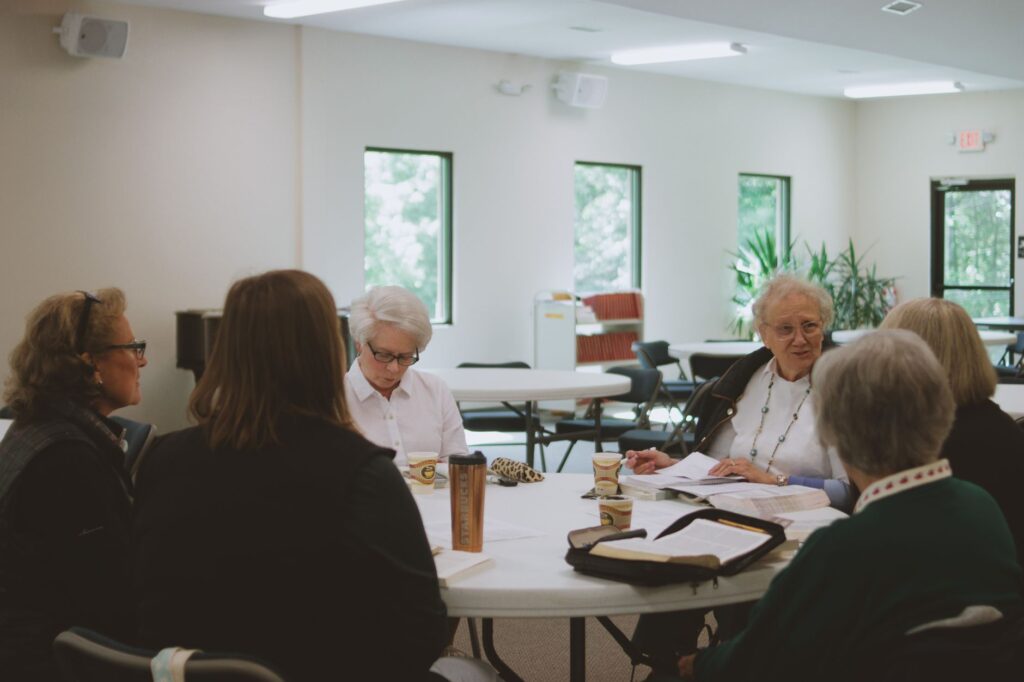
strong community support and engagement are essential to the success of education reform in Nevada. By fostering collaboration among parents, teachers, and local organizations, we can create a thriving educational environment for our students.
Challenges Ahead for Paul’s Education Reform in Nevada
Political and Institutional Barriers to Paul Education Reform Nevada
Implementing the Paul education reform Nevada initiative will not be without its hurdles. One significant challenge lies in the political landscape. Nevada’s legislature is often divided, and education reform is a contentious issue that can be influenced by party lines. Legislators may have differing opinions on funding, curriculum changes, and accountability measures. This division can slow down or derail the implementation of Paul’s education plan.
Moreover, existing institutional frameworks within Nevada schools may resist change. Many educators and administrators have established practices that may not align with the new reform goals. There is a risk of pushback from school boards, teachers’ unions, and even parents who are accustomed to the current system. For these reforms to succeed, it will be essential for Paul to engage these stakeholders early and often, building consensus and addressing concerns head-on.
Public Perception and Acceptance of Paul’s Education Plan
Public perception is another critical element in the success of the Paul education plan. Many parents and community members are invested in their local schools and may be skeptical of sweeping changes. They need to see tangible benefits before fully supporting the shift. Clear communication about the goals and expected outcomes of the reforms is vital to gain public trust.
Additionally, misinformation can spread quickly, leading to fear and resistance among parents and educators alike. To combat this, Paul’s team must prioritize transparent communication strategies that involve town hall meetings, forums, and social media outreach to explain the rationale and anticipated benefits of the reforms. Engaging the community will not only facilitate smoother implementation but also encourage a collaborative atmosphere where all parties feel they have a stake in the outcome.

Addressing these political, institutional, and public perception challenges head-on will be essential for the success of Paul’s education reform initiative in Nevada. By fostering open dialogue and collaboration, the potential for meaningful change in Nevada education policy can become a reality.
Conclusion: The Future of Education in Nevada
The future of education in Nevada is poised for transformation through the initiatives laid out in Paul’s education reform Nevada. This vision aims to tackle significant challenges within the state’s education system, such as underfunded Nevada schools and outdated policies that hinder student success. By prioritizing equitable funding, enhancing teacher training, and fostering community involvement, Paul’s education plan offers a comprehensive approach to revitalizing educational opportunities across the state.
As we’ve discussed, the importance of adapting Nevada education policy to meet the needs of all students cannot be overstated. The proposed reforms focus on ensuring that resources are allocated fairly, addressing the disparities that currently exist in our schools. By implementing strategic initiatives, we can create a robust educational framework that empowers every child to reach their full potential.
Furthermore, the emphasis on innovative teaching methods and technology integration in the classroom is crucial for preparing Nevada’s students for a rapidly changing world. By embracing these changes, we not only enhance academic performance but also inspire a lifelong love for learning among students. Education reform has proven to yield positive results in various states, showing that with the right policies, we can create a brighter future.
the commitment to Paul’s education reform Nevada is vital for shaping the educational landscape in our state. It is imperative that stakeholders, including educators, parents, and policymakers, come together to support these essential changes. Only then can we ensure that Nevada schools are not just places of learning but also hubs of hope and opportunity for our children.

By working collectively towards these goals, we can pave the way for a future where every student in Nevada receives the quality education they deserve. The time for reform is now; let’s embrace the vision of a stronger, more inclusive educational system for all.
Paul’s education reform vision for Nevada emphasizes the need for a comprehensive approach to elevate the state’s educational standards. By focusing on innovative strategies that prioritize student engagement and teacher support, the Paul education plan aims to create a more equitable environment for all learners. With the right Nevada education policy in place, we can transform Nevada schools into hubs of excellence that nurture the potential of every student.
As we consider the future of education in Nevada, it is essential for community members to stay informed and actively participate in discussions surrounding these reforms. Engaging with local initiatives and advocating for policies that support the Paul education reform Nevada can lead to meaningful change. Your voice matters, so take the next step, explore how you can contribute to improving education in our state and help shape a brighter future for Nevada’s students.
“`html
What is Paul’s education reform Nevada initiative?
Paul’s education reform Nevada initiative aims to improve the quality of education across the state by addressing key issues such as funding, curriculum standards, and teacher training. The initiative focuses on creating a more equitable education system that provides all students with access to high-quality resources and opportunities. By involving community stakeholders and educators in the decision-making process, the plan seeks to enhance student outcomes and ensure that Nevada schools can compete at a national level.
How does Paul’s education plan affect Nevada schools?
Paul’s education plan is designed to directly impact Nevada schools by increasing funding for under-resourced areas, improving curriculum standards, and providing professional development for teachers. The plan emphasizes personalized learning, allowing educators to tailor their teaching methods to better meet the needs of diverse student populations. Additionally, the initiative encourages collaboration among schools, parents, and local organizations to foster a supportive educational environment.
What are the main challenges in Nevada education policy?
Nevada education policy faces several challenges, including inadequate funding, high dropout rates, and disparities in educational resources among different districts. Many schools struggle with outdated facilities and lack access to modern technology, which hampers student learning. Moreover, teacher retention and recruitment remain significant issues, impacting the overall quality of education. Addressing these challenges is crucial for the successful implementation of Paul’s education reform Nevada initiative.
How can the community support education reform in Nevada?
The community can play a vital role in supporting education reform in Nevada by getting involved in local school boards, attending community meetings, and advocating for policy changes. Parents, educators, and local organizations can collaborate to identify specific needs and priorities for their schools. Additionally, volunteering time or resources, such as tutoring or mentoring students, can have a positive impact on the educational environment and demonstrate community commitment to reform efforts.
What are the expected outcomes of Paul’s education plan?
The expected outcomes of Paul’s education plan include improved student achievement, increased graduation rates, and enhanced teacher satisfaction. By focusing on equitable funding and targeted support, the plan aims to close achievement gaps among disadvantaged students. Additionally, fostering a culture of collaboration and innovation in Nevada schools will lead to a more engaged and motivated student body, ultimately contributing to a stronger workforce and community.
How does funding impact Nevada schools under Paul’s plan?
Funding is a critical aspect of Paul’s education reform Nevada initiative, as it directly influences the resources available to schools. Increased funding is aimed at addressing disparities in educational quality, ensuring that all students have access to necessary materials, technology, and extracurricular activities. Additionally, enhanced funding will support teacher salaries and professional development, leading to a more effective and motivated workforce that can better serve Nevada’s diverse student population.
“`