Paul For Nevada education policies are paving the way for a brighter future in education. With a focus on Nevada education reform, this initiative aims to tackle the pressing challenges faced by the state’s educational system, from inadequate school funding to outdated curricula. In this article, we will explore the key components of Paul For Nevada’s vision, including the ambitious 2026 education plans designed to enhance student outcomes and ensure equitable access to resources. We will also delve into the critical role of school funding as a cornerstone of education improvement and highlight actionable takeaways for those looking to support this transformative agenda. By examining the multifaceted approach of Paul For Nevada education policies, we can better understand how these reforms can create lasting change and uplift the educational landscape for all Nevada students. Join us as we navigate the complexities and opportunities that lie ahead in the quest for excellence in education.
Understanding Paul For Nevada Education Policies
The Vision Behind the Policies
Paul For Nevada is a dedicated advocate for educational improvement, recognizing that Nevada faces significant challenges in its education system. With a vision aimed at transformative change, he emphasizes the need for comprehensive Nevada education reform that addresses the unique barriers students and educators face. Current statistics indicate that Nevada ranks low nationally in various educational outcomes, including graduation rates and standardized test scores. According to the National Center for Education Statistics, Nevada’s high school graduation rate is approximately 81%, below the national average. These figures illustrate the urgent need for systemic change.
Key Components of the Paul For Nevada Education Policies
The Paul For Nevada education policies are designed to tackle these pressing issues through targeted strategies. Key components include:
- Increased School Funding: Advocating for equitable distribution of school funding to ensure all schools, particularly those in underserved areas, have the resources they need.
- Innovative Curriculum Development: Implementing a curriculum that incorporates critical thinking and real-world applications to better prepare students for the future.
- Support for Educators: Providing professional development and support for teachers to enhance their skills and teaching methods, which is essential for improving student outcomes.
- 2026 Education Plans: Setting clear, achievable goals for the education system by 2026, focusing on improving literacy rates and STEM education, which are vital for economic growth.
By addressing these components, Paul For Nevada’s policies aim to create a more equitable and effective education system for all students. For more detailed insights into Nevada’s current educational landscape, check out the Nevada Department of Education.
Nevada Education Reform: Challenges and Opportunities
Current State of Education in Nevada
Nevada’s education system faces significant hurdles, including disparities in school funding and student performance. According to the National Institute of Child Health and Human Development, many schools in lower-income areas receive fewer resources, impacting students’ learning experiences. This inequality in funding not only affects classroom materials but also teacher recruitment and retention, further exacerbating the challenges faced by students in these districts.
Furthermore, Nevada ranks among the lowest in the nation in terms of academic achievement. A report by the National Association of State Boards of Education highlights that the state has persistently low scores in standardized tests. These issues underline the urgent need for comprehensive Nevada education reform that prioritizes equity and access for all students.

Identifying Key Challenges
One of the most pressing issues in Nevada’s education landscape is the uneven distribution of school funding. A significant portion of funding is allocated based on local property taxes, which creates a disparity between affluent and less affluent areas. This inequity leads to a cycle where students in lower-income districts receive less support, affecting their long-term educational outcomes.
Moreover, many students lack access to essential resources, such as advanced coursework and extracurricular programs. The Education Week reports that these gaps in resources hinder the potential for students to excel academically. However, there are opportunities for reform. Paul For Nevada education policies aim to address these disparities by advocating for increased school funding and equitable resource distribution, particularly in underserved communities. Such measures are crucial for the 2026 education plans that seek to improve overall educational outcomes in the state.
By focusing on targeted funding initiatives and resource availability, we can pave the way for a stronger education system that empowers all students, regardless of their background. Through these reforms, Nevada has the potential to transform its educational landscape and ensure every child has access to quality education.
Paul For Nevada Education Policies: Long-Term Goals for Nevada’s Education System
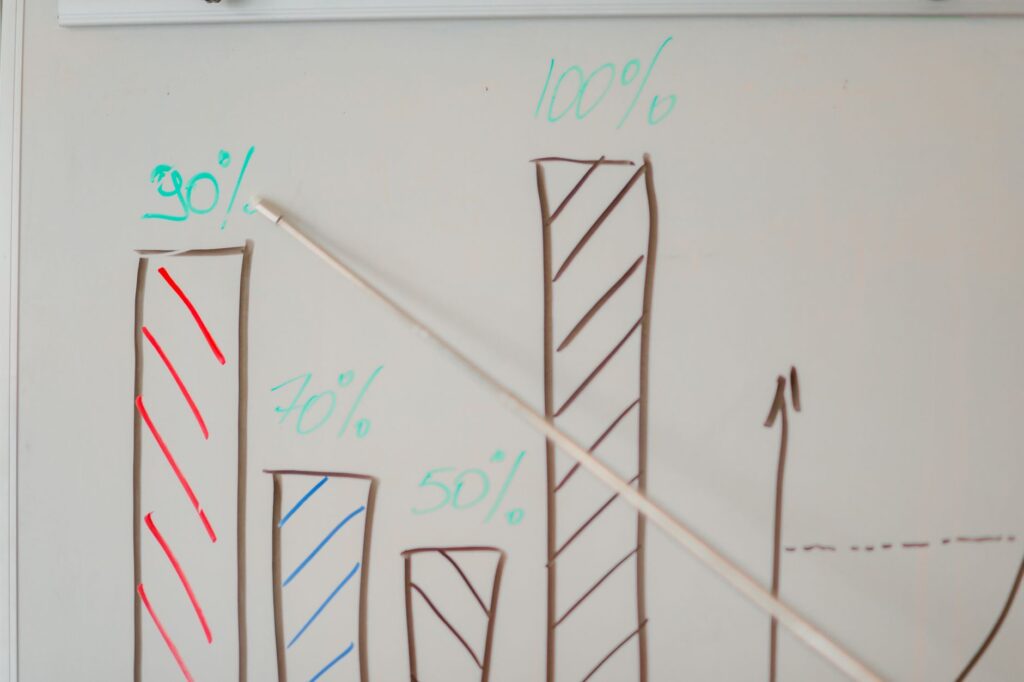
As part of the 2026 education plans, Paul For Nevada education policies emphasize a transformative approach to the state’s educational landscape. The central goal is to ensure equitable access to quality education for all students, particularly focusing on improving graduation rates and increasing funding for under-resourced schools. By 2026, Paul aims to achieve a graduation rate of 90% across Nevada, up from the current rate of approximately 82%. This ambitious target is rooted in successful models from states like Maryland and Massachusetts, which have implemented comprehensive education reform measures that led to significant increases in graduation rates.
Milestones for 2026: Key Initiatives in Paul For Nevada Education Policies
To achieve these long-term goals, several key milestones have been outlined:
- Increase School Funding: Paul plans to advocate for a 20% increase in school funding, specifically targeting resources for schools in low-income areas. This funding boost is crucial for hiring qualified teachers and providing essential educational materials.
- Support for Early Childhood Education: Expanding access to quality pre-K programs is another priority. Research indicates that early education can significantly improve long-term academic outcomes.
- Enhanced Support Services: Implementing mental health and counseling services in schools to support students’ emotional well-being, which is vital for academic success.
These initiatives are not just hopeful aspirations; they are backed by substantial research demonstrating that increased funding and support systems can lead to improved educational outcomes. For instance, a study by the RAND Corporation found that increased funding in under-resourced districts resulted in measurable improvements in student performance. As Nevada gears up for these changes, the focus remains on creating a robust framework that allows every child to thrive.

With a clear roadmap and measurable objectives, Paul For Nevada’s 2026 education plans aim to set a new standard for Nevada education reform, ensuring that all students have the opportunities they deserve.
School Funding: A Cornerstone of Education Improvement
In Nevada, the complexities of school funding are deeply intertwined with the quality of education students receive. Understanding the nuances of this funding system is critical for anyone looking to grasp the challenges and opportunities within the state’s education landscape. The Paul For Nevada education policies aim to address these complexities head-on, ensuring that every student has access to the resources they need to thrive.
Understanding School Funding in Nevada
Nevada’s school funding model has long faced criticism for being inadequate and inequitable. The state ranks low nationally in per-pupil spending, which has direct implications for class sizes, teacher salaries, and the availability of educational resources. According to the Nevada Report Card, many schools struggle to meet basic educational standards due to financial constraints.
One of the primary goals of the Paul For Nevada education policies is to reform this funding system by identifying sustainable sources of revenue. Potential strategies include increasing state funding, reallocating existing resources, and exploring partnerships with private entities. These changes are fundamental to Nevada education reform, especially as we approach the 2026 education plans that outline the future of education funding in the state.
How Funding Impacts Education Quality
The impact of school funding on educational quality cannot be overstated. Research consistently shows a correlation between adequate funding and improved student outcomes, such as higher graduation rates and better test scores. A study by Education Week highlights that well-funded schools can provide enhanced programs, extracurricular activities, and access to technology, all of which are crucial for fostering an engaging learning environment.
With the proposed reforms under the Paul For Nevada education policies, there is optimism that more equitable funding will lead to substantial improvements in educational outcomes across the state. Investing in education is not just about financing; it’s about creating a future where every student can succeed, regardless of their background or location.

As Nevada moves forward with its education initiatives, the focus on school funding remains a central theme. The success of these reforms will ultimately depend on the collective commitment from policymakers, educators, and the community to ensure that every child has access to high-quality education.
Actionable Takeaways: Supporting Paul For Nevada’s Education Policies
To effectively support Paul For Nevada education policies, it’s essential for community members to take proactive steps. Engaging with local education initiatives can significantly influence the direction of Nevada’s education reform and the success of the 2026 education plans. Here are some actionable ways to get involved:
How to Get Involved
- Contact Local Representatives: Reach out to your state legislators and express your support for Paul For Nevada’s education policies. Share your thoughts on the importance of school funding and how it impacts local schools.
- Participate in Community Forums: Attend town hall meetings or community discussions focused on education. These platforms allow you to voice your opinions and hear from others who share your commitment to education reform.
- Join Advocacy Groups: Look for local organizations that align with Paul For Nevada’s vision. Joining forces with like-minded individuals can amplify your impact and help push for necessary changes.
- Engage with Schools: Connect with local schools to see how you can support educational initiatives. This could include volunteering, mentoring students, or participating in fundraising efforts.
Advocating for Education Reform and Paul For Nevada Education Policies
Advocacy is crucial for driving change. Supporting Paul For Nevada’s education policies involves not just speaking up, but also encouraging others to join the cause. By rallying community support, you can make a significant difference in the implementation of effective school funding strategies and the realization of the 2026 education plans.
As a community, we can shape the future of education in Nevada. By taking these steps, we not only advocate for Paul’s vision but also contribute to a stronger educational system for all students.
Conclusion: The Future of Nevada’s Education System
Looking Ahead with Paul For Nevada Education Policies
The education landscape in Nevada stands at a crucial juncture, with the potential for transformative change through the implementation of Paul For Nevada education policies. These policies aim to address fundamental issues such as school funding, educational equity, and resource allocation, which are essential for improving student outcomes. As we look ahead to the 2026 education plans, it’s clear that a collaborative approach will be vital. By prioritizing innovative strategies and community engagement, we can reshape the future of education in our state.
Moreover, the push for Nevada education reform is not merely about policy changes; it is about creating an environment where every student has the opportunity to succeed. Implementing effective school funding mechanisms will ensure that resources are directed where they are most needed, ultimately benefiting students and educators alike.
The Role of Community in Education Reform
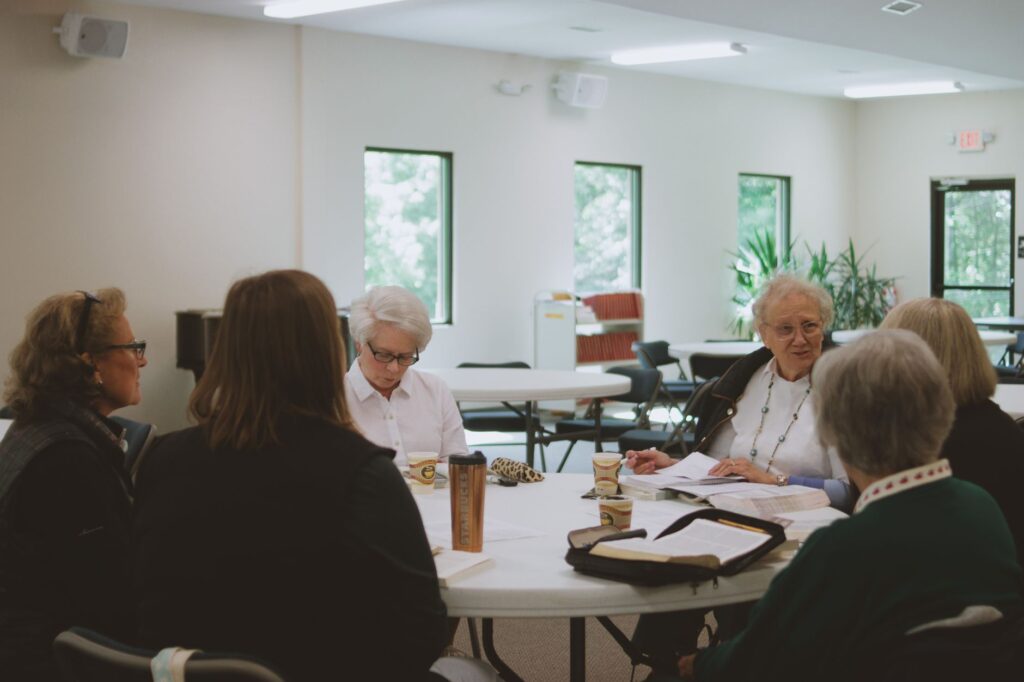
Community involvement plays a pivotal role in the success of any education reform initiative. When parents, educators, and local organizations come together, they amplify the impact of policies like those proposed by Paul For Nevada. Grassroots efforts can lead to substantial changes, ensuring that the needs of the community are reflected in educational strategies. This collective action not only fosters a sense of ownership among stakeholders but also creates a support network that empowers schools to thrive.
The path to improvement in Nevada’s education system is not solely the responsibility of policymakers. It requires the collaborative spirit of the community to drive meaningful change. By uniting around the principles of Paul For Nevada education policies, we can build a strong foundation for future generations, ensuring that every child has access to quality education and the opportunities they deserve.
As we look toward the future of education in Nevada, embracing the vision of Paul For Nevada education policies can be a transformative step. His approach emphasizes not only the importance of comprehensive Nevada education reform but also addresses critical issues like school funding. By prioritizing these areas, we can set a solid foundation for the 2026 education plans that will ultimately benefit students across the state.
Engaging with local communities and stakeholders can further amplify the impact of these policies. By participating in discussions and advocating for necessary changes, you can play a vital role in shaping a brighter educational landscape. Now is the time to get involved and support initiatives that champion the future of education in Nevada.
“`html
What are Paul For Nevada education policies?
Paul For Nevada education policies focus on enhancing educational outcomes through increased funding, improved teacher training, and inclusive curriculum development. These policies aim to provide equitable access to high-quality education for all students, addressing diverse learning needs. By prioritizing these areas, the initiative seeks to create a more effective and resilient education system in Nevada, ultimately benefiting students across the state.
How will Nevada education reform affect students?
Nevada education reform is designed to enhance the quality of education that students receive. By implementing comprehensive policies that focus on teacher support, curriculum improvements, and increased funding, students are expected to benefit from a more engaging and supportive learning environment. These changes aim to help students achieve better academic outcomes and prepare them for future challenges, ensuring that they are well-equipped for higher education and career opportunities.
What are the goals of the 2026 education plans?
The 2026 education plans aim to establish clear benchmarks for student achievement and ensure that all students have access to high-quality education. Key goals include improving literacy and math proficiency, increasing graduation rates, and fostering a more inclusive environment for diverse learners. These plans are part of a broader strategy to enhance educational effectiveness in Nevada and address long-standing challenges within the state’s education system.
How can I support school funding initiatives?
Supporting school funding initiatives can be done in several ways. You can advocate for policies that promote increased educational funding by contacting your local representatives or participating in community meetings. Additionally, consider joining or supporting organizations that focus on education advocacy. Volunteering your time to assist local schools or donating to educational programs can also help bolster funding efforts and enhance the quality of education in your community.
What challenges does Nevada’s education system face?
Nevada’s education system faces several challenges, including inadequate funding, teacher shortages, and disparities in educational access. Many schools struggle to provide necessary resources, which impacts student achievement. Additionally, there is a need for improved teacher training and support to ensure high-quality instruction. Addressing these challenges is critical to implementing effective reforms and ensuring that all students receive a quality education consistent with the goals of Paul For Nevada education policies.
Where can I find more information about education reform in Nevada?
To find more information about education reform in Nevada, you can visit the Nevada Department of Education’s official website at www.doe.nv.gov. This site provides updates on policies, initiatives, and resources related to education reform. Additionally, consider checking local news sources and educational advocacy organizations for insights and community discussions surrounding these important changes.
“`