
Nevada’s energy future is poised to play a pivotal role in shaping America’s overall energy landscape. As the nation grapples with the pressing need for sustainable solutions, Nevada emerges as a key player in energy development, thanks in part to its abundant natural resources and innovative policies. This article explores several critical aspects of Nevada’s energy future, including the importance of infrastructure investment, which is essential for bolstering the state’s energy capabilities and enhancing its grid reliability. Moreover, we’ll delve into how Nevada contributes to national fuel security, ensuring a steady supply of energy as the country transitions to cleaner alternatives. The energy transition is not just a buzzword; it represents a significant path forward for Nevada, affecting local communities and economies. Finally, we will look ahead to understand the implications of these developments on the future of Nevada’s energy landscape and the potential benefits for its residents. Join us as we uncover what lies ahead for this dynamic state in the realm of energy.
Nevada Energy Future: A Crucial State in Energy Development
Nevada’s role in shaping America’s energy landscape is not just pivotal, it is transformative. With a rich repository of natural resources and a proactive approach to energy policies, Nevada is at the forefront of the national energy conversation. The state’s commitment to renewable energy has made it a leader in energy transition, emphasizing sustainability and innovation in energy development.
The Current Landscape of Energy in Nevada
As of recent reports, Nevada generates about 50% of its electricity from renewable sources, predominantly solar and geothermal energy [California Energy Commission]. This impressive statistic highlights the state’s potential in the nevada energy future, with solar energy alone capable of powering millions of homes. Alongside renewables, natural gas plays a significant role, providing stability to the grid and ensuring fuel security as the state transitions away from fossil fuels.
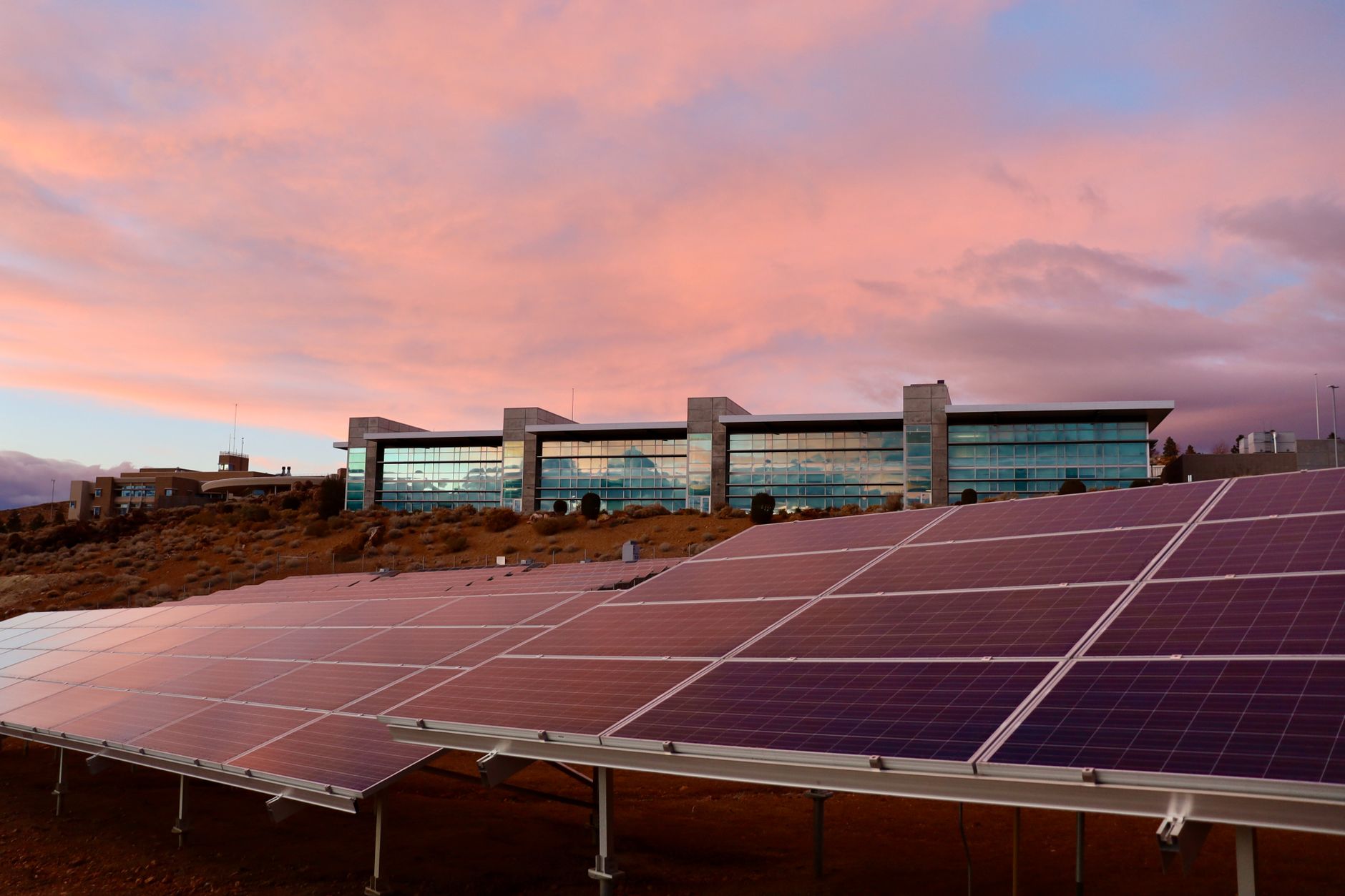
Nevada’s vast desert landscapes are ideal for solar farms, and the state ranks as one of the top in the nation for solar energy production. Additionally, geothermal resources, particularly in the western part of the state, are being harnessed to complement renewable efforts, further diversifying the energy mix.
Key Energy Development Initiatives
Various initiatives are driving Nevada’s energy development. The state’s energy office has implemented policies aimed at increasing renewable energy capacity and promoting infrastructure investment in energy storage and grid modernization. The Nevada Renewable Energy Action Plan outlines ambitious targets for renewable energy generation and emphasizes the importance of community involvement in energy projects. For more details, check the Nevada Governor’s Office of Energy.
Moreover, initiatives like the Energy Storage Incentive Program are crucial for enhancing the reliability of renewable energy sources, addressing the challenges of intermittency. As we look toward the nevada energy future, these efforts not only promise economic benefits but also position Nevada as a leader in the national energy transition.
The Need for Modern Infrastructure in Nevada’s Energy Future
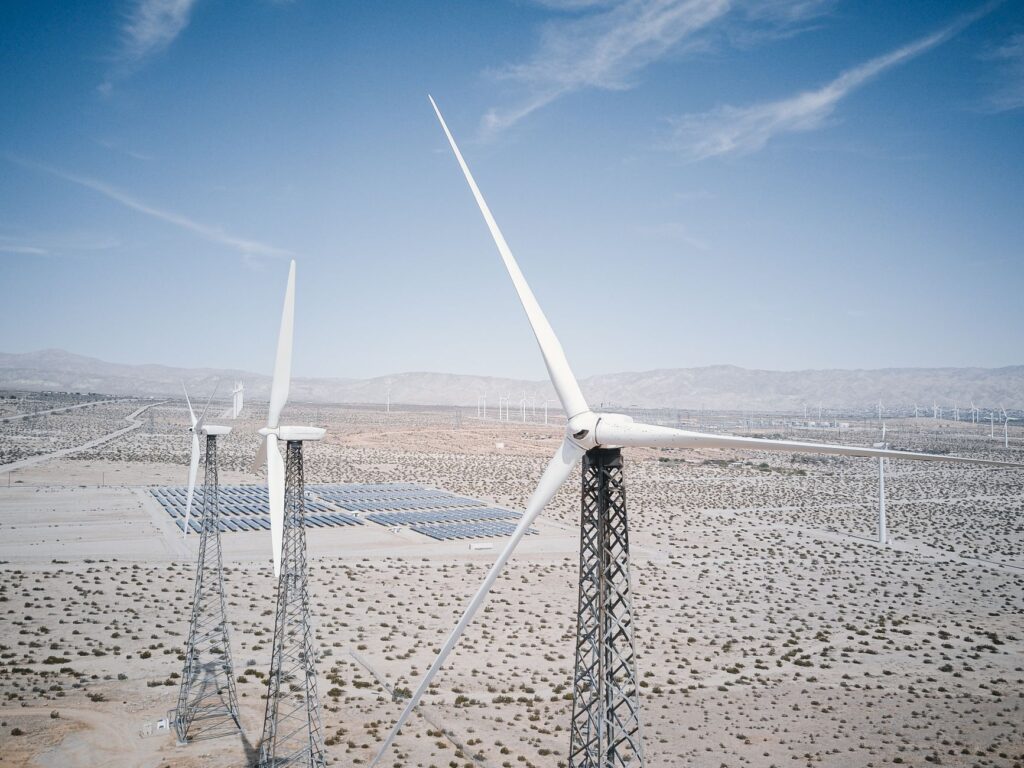
Nevada’s aging energy infrastructure poses significant challenges as the state embarks on an ambitious energy transition. With the shift towards renewable energy sources, such as solar and wind, it is crucial to modernize existing systems to enhance efficiency and reliability. According to the U.S. Department of Energy, investments in modern infrastructure can lead to reduced operational costs, improved fuel security, and increased resilience against climate-related disruptions.
The state’s grid, primarily designed for traditional energy sources, requires upgrades to accommodate the growing influx of renewables. Enhanced transmission lines and smarter grid technology will not only support Nevada’s energy future but also enable the state to share its surplus clean energy with neighboring regions, fostering regional cooperation and economic growth.
Investment Opportunities and Challenges in Nevada’s Energy Future
Recent infrastructure investment trends indicate a positive shift towards sustainability. For instance, the Nevada Energy company has committed to investing over $1 billion in renewable energy projects over the next five years. This includes public-private partnerships that leverage both state funds and private investment, significantly boosting energy development efforts.
However, challenges remain. Securing financing for large-scale projects can be daunting, especially when navigating regulatory frameworks and market fluctuations. Despite these hurdles, the potential returns on investment are compelling; the Nevada Governor’s Office of Energy estimates that every dollar invested in renewable energy infrastructure could yield an economic return of up to $3.5, underscoring the importance of continued investment in Nevada’s energy future.
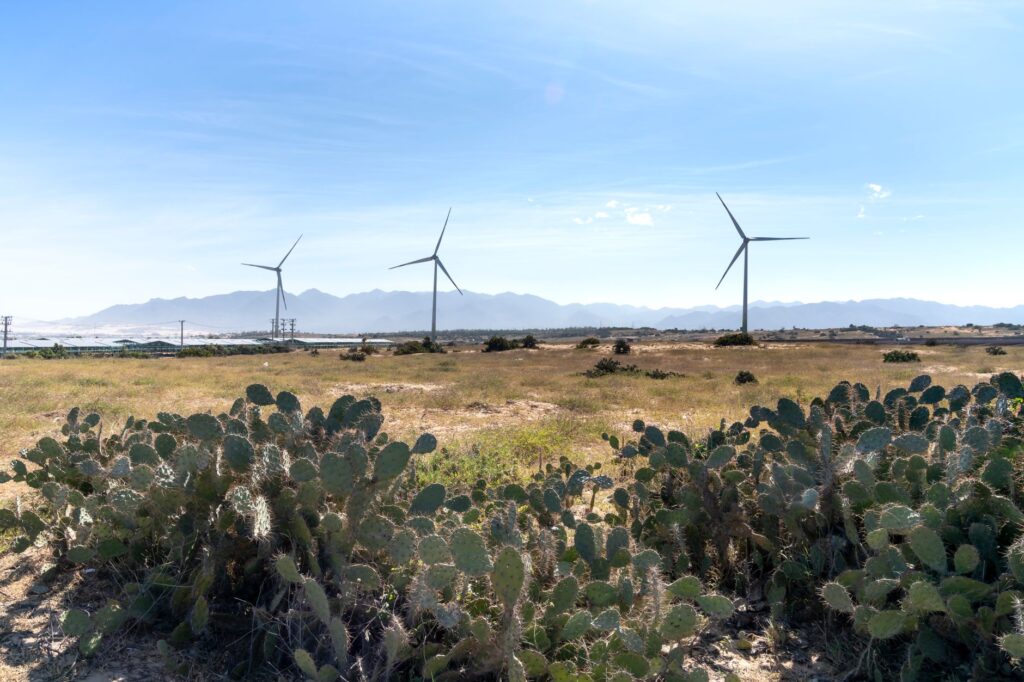
As Nevada navigates the complexities of its energy transition, the focus on modern infrastructure will be pivotal. By addressing the challenges head-on and capitalizing on investment opportunities, Nevada can secure its position as a leader in the renewable energy landscape, ultimately shaping the state’s energy future and contributing to national energy goals.
Fuel Security: How Nevada Contributes to National Goals
Nevada’s Role in Fuel Security and the Energy Transition
Fuel security is a fundamental aspect of a resilient energy grid, ensuring that a nation can meet its energy demands in times of crisis. It encompasses both the stability of supply and the diversity of energy sources. With increasing reliance on renewable energy, the United States faces the challenge of maintaining fuel security while transitioning to a cleaner energy future. This is where Nevada’s contributions become critically important.
Nevada is uniquely positioned to enhance national fuel security through its abundant renewable energy resources. The state has vast solar and wind energy potential, making it a key player in the energy transition. As of recent reports, Nevada ranks among the top states for solar energy production, harnessing the sun’s power to generate clean electricity that can be stored and distributed across the national grid. The investment in solar infrastructure not only helps reduce carbon emissions but also strengthens the reliability of the energy supply during peak demand periods.
Moreover, Nevada’s strategic reserves of lithium and other critical minerals are vital for the production of batteries, which are essential for energy storage and electric vehicles. This positions the state as a cornerstone for sustainable energy development, directly supporting the broader goal of national fuel security. The ongoing infrastructure investment in energy systems further bolsters this effort, providing the necessary backbone for integrating renewable sources into the grid.
As the nation pushes toward a greener energy landscape, Nevada’s role in shaping the nevada energy future becomes increasingly significant. With careful planning and continued investment in renewable technologies, Nevada not only contributes to its own energy security but also enhances the resilience of the entire U.S. energy system.

The Energy Transition: Nevada’s Path Forward
Renewable Energy Growth in Nevada
Nevada is at the forefront of the energy transition, shifting from traditional fossil fuels to renewable energy sources. This change is critical for the nevada energy future, as the state has abundant solar and wind resources. In fact, Nevada ranks among the top states for solar energy generation in the U.S., with solar power accounting for about 25% of its total electricity supply as of 2022, according to the Nevada State Energy Plan. Local initiatives, such as the commitment to achieve 50% renewable energy by 2030, reflect a growing awareness of the need for sustainable energy development.
This focus on renewables has significant implications for Nevada’s energy infrastructure investment. Upgrading the existing grid to accommodate more renewable sources will not only enhance fuel security but also create jobs and stimulate local economies. These investments are crucial as they support the creation of a resilient energy system capable of meeting future demands while reducing carbon emissions.
Future Technologies and Innovations in Nevada’s Energy Transition
Looking ahead, innovative technologies are emerging that promise to accelerate Nevada’s energy transition. For example, the state is exploring energy storage solutions, such as large-scale battery systems, which can store excess solar energy for use during peak demand periods. Additionally, advancements in smart grid technology are being adopted to optimize energy distribution and consumption, ensuring that the state can efficiently manage its growing renewable energy capacity.
The implications of these innovations extend beyond Nevada. As the state demonstrates successful pathways for renewable energy integration, it sets a benchmark for national energy policies. By prioritizing clean energy, Nevada not only boosts its own economy but also contributes to the broader goal of a sustainable energy future for America, showcasing how other states can follow suit in this necessary transition.

Implications of Nevada’s Energy Future on Local Communities
Economic Benefits for Communities from Nevada’s Energy Future
Nevada’s energy future presents a pivotal opportunity for local communities to thrive economically. As the state transitions towards renewable energy sources, investments in energy development are projected to create thousands of jobs. According to the U.S. Department of Energy, the wind and solar industries have become significant employment sectors, with solar jobs alone expected to grow by 20% in the coming years. This surge in job creation is not only essential for individuals but also revitalizes local economies, fostering growth in ancillary services, such as construction, manufacturing, and logistics.
Moreover, infrastructure investment in energy projects, like solar farms and wind installations, will enhance local facilities and services. Improved infrastructure can lead to better transportation networks and increased property values, benefiting local residents. As communities adapt to the evolving energy landscape, they can expect a more resilient economic environment, bolstered by diverse energy sources and stable job markets.
Social and Environmental Considerations of Nevada’s Energy Future
While the economic benefits of a robust energy transition are clear, it is equally crucial to consider the social and environmental implications. Sustainable practices in energy development are vital for minimizing ecological footprints. The integration of renewable energy not only contributes to fuel security by reducing dependency on fossil fuels but also helps combat climate change, which disproportionately affects vulnerable communities.
Communities must engage in discussions about the potential environmental impacts of new energy projects. This includes evaluating land use, water resources, and potential biodiversity loss. By prioritizing sustainability, Nevada can ensure that its energy future is not just economically advantageous but also socially responsible and ecologically sound.
As Nevada continues to lead in the energy transition, it becomes imperative for local communities to actively participate in shaping this future. Through strategic planning and collaboration, they can harness the benefits of a greener economy while addressing the challenges associated with change.

Looking Ahead: The Future of Nevada’s Energy Landscape
Predictions for Energy Development in Nevada’s Energy Future
As we look towards the future, Nevada stands at the forefront of a transformative energy landscape. With its abundant natural resources and commitment to clean energy, the state is poised for significant advancements in energy development. By 2030, forecasts suggest that renewable energy could account for over 50% of Nevada’s energy supply, driven by investments in solar and wind technologies. This shift not only aligns with national goals for energy transition but also enhances fuel security by reducing dependence on fossil fuels.
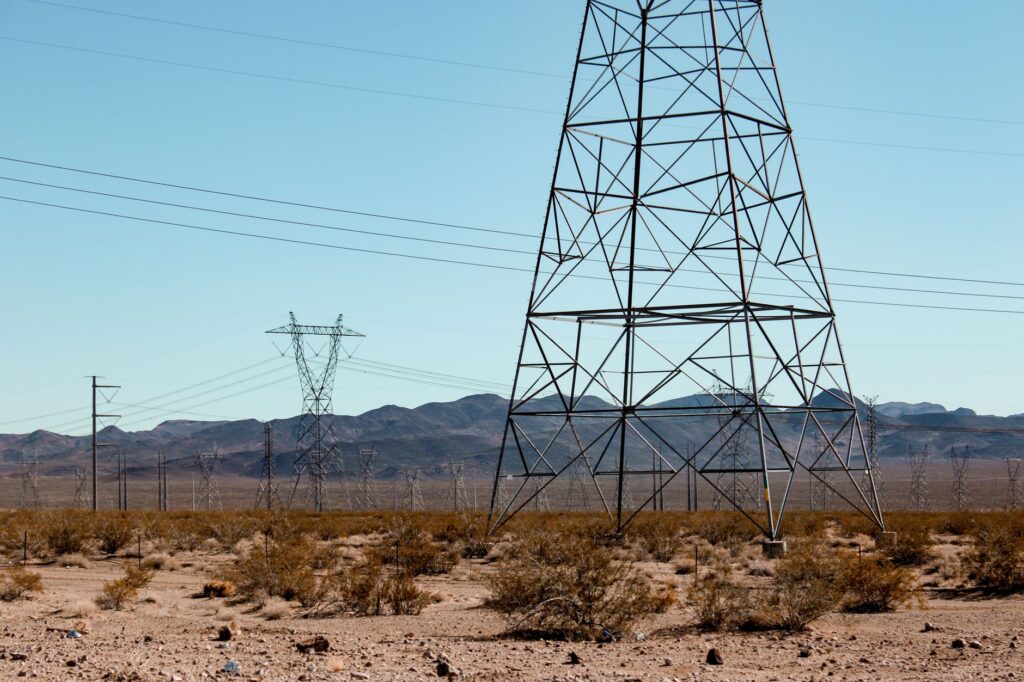
Technological innovations, such as energy storage solutions and smart grid systems, will play a pivotal role in shaping Nevada’s energy future. These advancements will enable the state to balance supply and demand more effectively and integrate renewable sources into the existing grid. Furthermore, ongoing infrastructure investment will be essential to support this growth, ensuring that energy can be efficiently transmitted across the state and beyond.
The Role of Policy and Regulation in Shaping Nevada’s Energy Future
Policy and regulation will be crucial in steering Nevada’s energy future. The state has already made strides with initiatives like the Renewable Portfolio Standard, which mandates that a significant portion of energy must come from renewable sources. As federal policies evolve, Nevada may see an influx of funding for energy projects, enhancing infrastructure investment and research into sustainable practices.
Moreover, regulatory frameworks will need to adapt to accommodate emerging technologies and ensure equitable access to clean energy. This includes supporting local communities and businesses in their transition to renewable sources. By fostering a collaborative environment among stakeholders, Nevada can leverage its unique position to emerge as a leader in the national energy landscape.
As we navigate this exciting period, the emphasis on research and innovation will be vital. Nevada’s energy future not only holds opportunities for economic growth but also for environmental stewardship, making it an essential player in America’s energy narrative. The coming years will undoubtedly shape a sustainable and resilient energy ecosystem that aligns with broader national goals.
Nevada’s energy future is poised for significant transformation, driven by a commitment to energy development and infrastructure investment. As the state embraces renewable resources, it not only enhances fuel security but also plays a critical role in the national energy transition. By leveraging its natural advantages, Nevada can lead the way toward a sustainable energy landscape that benefits both its residents and the wider region.
To ensure a robust nevada energy future, stakeholders must prioritize collaboration among government, industry, and local communities. Engaging in dialogue about energy policies, supporting innovative technologies, and investing in modern infrastructure will be essential. Every individual can contribute by staying informed about energy initiatives and advocating for policies that promote clean energy solutions. Together, we can shape a brighter, more sustainable future for Nevada and beyond.
“`html
What is Nevada’s role in energy development?
Nevada plays a crucial role in energy development by harnessing its abundant natural resources, including solar, wind, and geothermal energy. As one of the sunniest states in the U.S., Nevada is a leader in solar energy production, contributing significantly to the nation’s renewable energy goals. The state’s policies and incentives also support energy innovation and the development of sustainable practices, which are vital for shaping the Nevada energy future.
How is infrastructure investment impacting Nevada’s energy future?
Infrastructure investment is pivotal for Nevada’s energy future as it enhances the capacity to generate, transmit, and distribute energy. Upgrades to power lines and substations facilitate the integration of renewable energy sources into the grid. Additionally, investments in energy storage solutions and electric vehicle (EV) charging stations promote a more resilient and flexible energy system, ultimately supporting the state’s transition to a cleaner energy landscape.
What does fuel security mean for Nevada and the U.S.?
Fuel security refers to the ability to access reliable and affordable energy sources. For Nevada, this means reducing dependence on fossil fuels and enhancing the availability of renewable energy. A secure energy supply stabilizes prices and ensures that residents and businesses can rely on consistent energy access. At a national level, fuel security is essential for economic stability and resilience against global energy market fluctuations.
How is Nevada transitioning to renewable energy?
Nevada is actively transitioning to renewable energy through ambitious policies and initiatives aimed at increasing the share of renewables in its energy portfolio. The state has set goals for achieving 50% renewable energy by 2030 and 100% carbon-free energy by 2050. Investments in solar farms, wind projects, and energy efficiency programs are central to this transition, positioning Nevada as a leader in the national renewable energy movement.
What are the economic benefits of Nevada’s energy future?
The economic benefits of Nevada’s energy future are substantial. Transitioning to renewable energy creates jobs in construction, manufacturing, and maintenance of energy systems. Moreover, reducing energy costs for consumers and businesses can stimulate economic growth. A focus on clean energy also attracts investment and innovation, positioning Nevada as a hub for green technology and boosting the state’s overall economy.
What technologies are shaping Nevada’s energy landscape?
Several technologies are shaping Nevada’s energy landscape, including solar photovoltaics, energy storage systems, and smart grid technology. Solar power remains the most significant contributor, while advancements in battery storage are enabling better integration of renewables into the grid. Additionally, smart grid technologies improve energy management and efficiency, helping Nevada optimize its energy resources and support its ambitious energy transition goals.
“`