
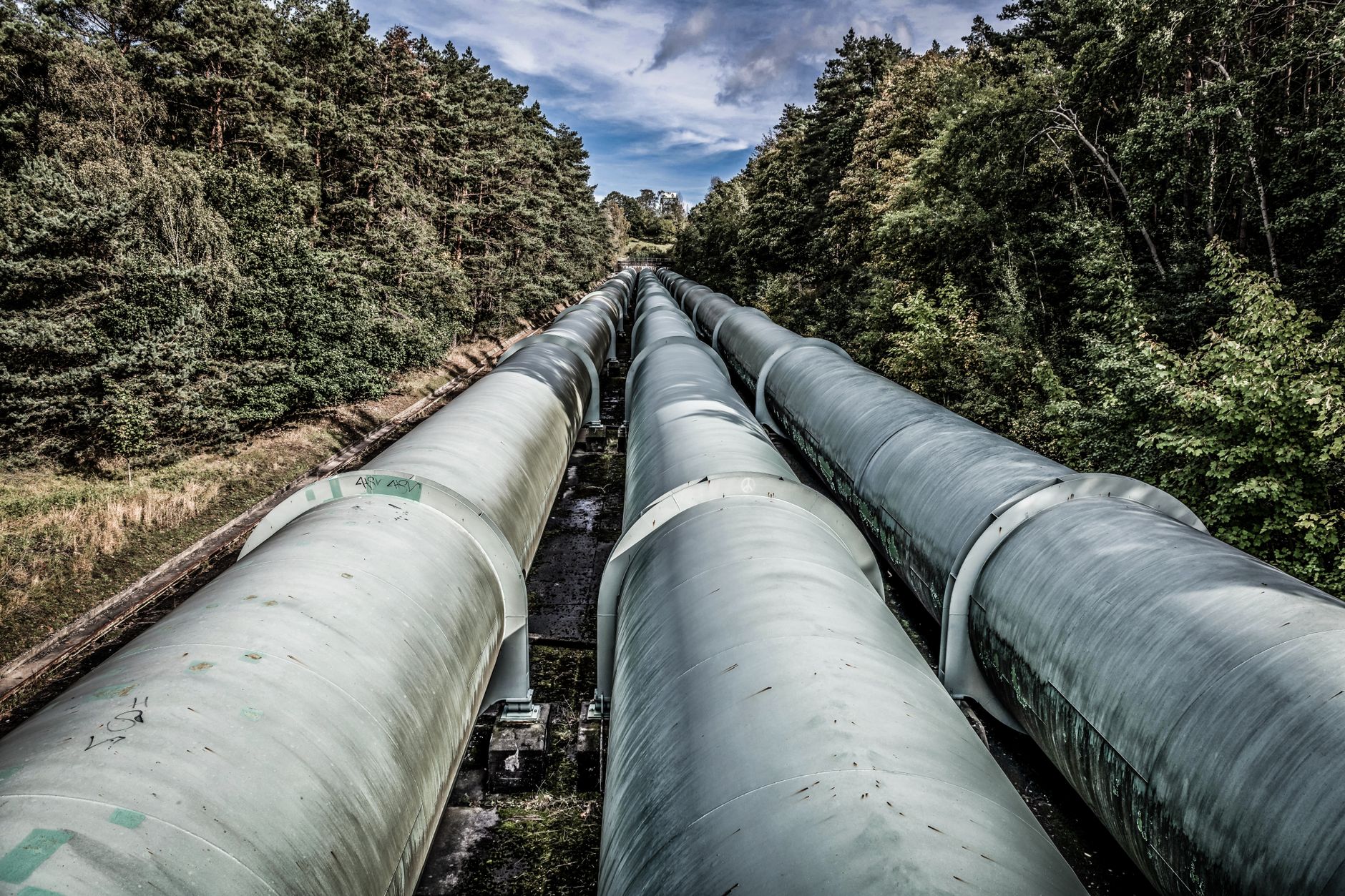
Nevada pipeline infrastructure plays a pivotal role in the state’s energy landscape, serving as the backbone for both oil pipelines and gas transportation systems. As one of the fastest-growing states in the U.S., Nevada relies heavily on its pipeline networks to ensure reliable energy distribution to homes and businesses. This article dives into key insights and facts about the state’s pipeline infrastructure, exploring how oil pipelines contribute to Nevada’s economy and the essential role of gas transportation in maintaining energy reliability. Additionally, we will address pipeline safety, a critical concern in the industry, and look ahead to the future of Nevada’s pipeline infrastructure. With growing demands for energy and increasing regulations, understanding these elements is crucial for residents and stakeholders alike. For more detailed information, check out resources from the Nevada Energy and the Bureau of Safety and Environmental Enforcement.
Understanding Nevada Pipeline Infrastructure
Importance of Pipeline Systems in Nevada’s Economic Landscape
The nevada pipeline infrastructure plays a pivotal role in supporting the state’s economy and ensuring efficient energy distribution. With Nevada’s vast landscapes and growing population, the demand for reliable energy sources is more pressing than ever. Pipeline systems, which include both oil pipelines and gas transportation networks, are essential for transporting these resources from production sites to consumers. They provide stability in supply, which is crucial for both residential and industrial sectors, and contribute to job creation within the state.
Moreover, pipelines are often considered a safer and more environmentally friendly option for transporting energy compared to other methods, such as trucking. This is particularly important in Nevada, where natural beauty and tourism are significant contributors to the economy. By utilizing pipelines, we can minimize road congestion and reduce the carbon footprint associated with transportation.
Components of Pipeline Infrastructure in Nevada
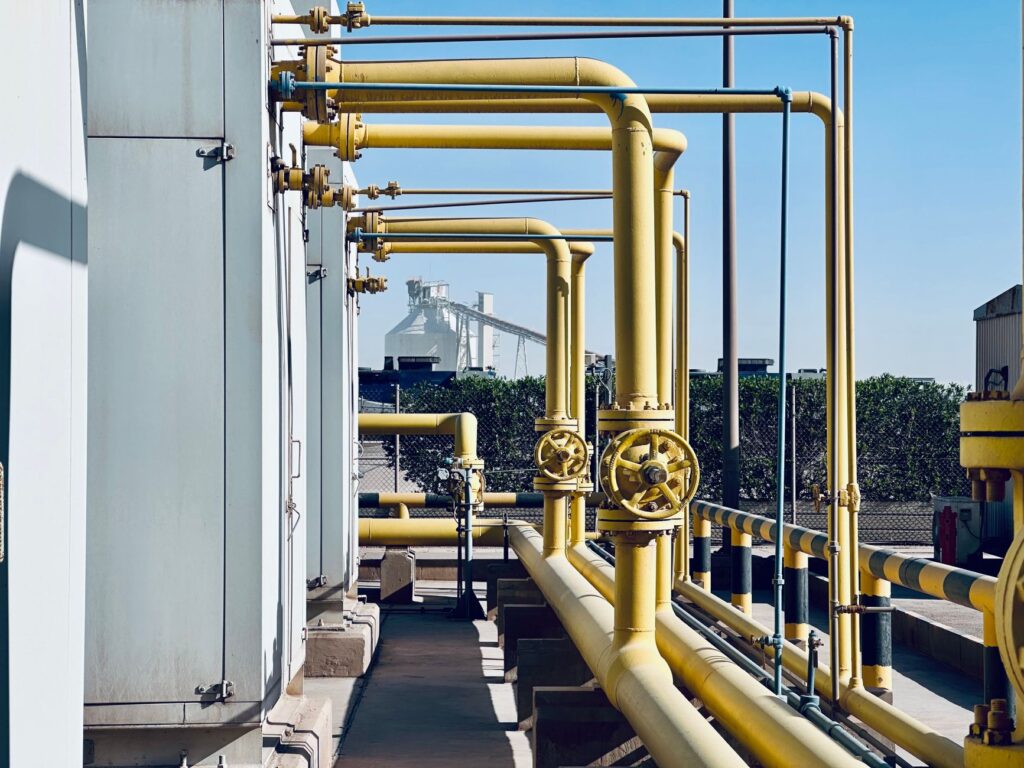
The nevada pipeline infrastructure consists of various components that work together to ensure seamless operation. Key elements include:
- Pumping Stations: These facilities boost the pressure of the oil or gas, allowing it to flow through the pipelines efficiently.
- Storage Facilities: These locations hold energy resources temporarily before they are distributed, ensuring a steady supply.
- Compressor Stations: Vital for gas transportation, these stations compress natural gas to maintain pressure along the pipeline.
- Control Centers: Equipped with advanced technology, these centers monitor pipeline conditions and ensure safety and efficiency.
Collectively, these components support local and regional economies, facilitating not just energy distribution but also contributing to overall economic growth. According to the U.S. Energy Information Administration, investments in pipeline infrastructure lead to increased economic activity in the areas they serve, further highlighting their importance.
While pipeline safety remains a concern, advancements in technology and stringent regulations help mitigate risks. Continuous monitoring and maintenance are essential to prevent leaks and ensure that the infrastructure remains robust and reliable. Balancing the need for energy distribution with environmental considerations is a challenge, but one that the state of Nevada is working diligently to address.
In essence, Nevada’s pipeline infrastructure is not merely a network of pipes; it is a lifeline that underpins the state’s economy and provides the energy resources essential for daily life. As we move forward into a future that increasingly prioritizes sustainability, the role of pipelines in energy distribution will continue to evolve. The importance of investing in these systems, and doing so responsibly, cannot be overstated.
The Role of Oil Pipelines in Nevada’s Economy
The nevada pipeline infrastructure plays a pivotal role in the state’s economic landscape, particularly through the transportation of oil and gas. As of recent reports, oil pipelines in Nevada contribute significantly to job creation, energy distribution, and overall economic activity. In 2021 alone, the oil and gas industry supported approximately 5,000 jobs statewide and generated over $500 million in state revenue from taxes and fees. This economic contribution is vital for a state that heavily relies on diverse industries, from tourism to renewable energy.
Economic Impact of Oil Pipelines
Oil pipelines are not just conduits for fuel; they are essential to maintaining a stable energy supply. They enable efficient gas transportation, reducing reliance on more expensive and less environmentally friendly methods such as trucking. According to the Nevada Energy Statistics, over 70% of the fuel consumed in the state is transported via pipelines. This efficiency results in lower costs for consumers and businesses alike, reinforcing the importance of a robust pipeline network.
Moreover, the economic ripple effects of oil pipelines extend beyond direct employment. Related industries, such as construction, manufacturing, and maintenance, benefit from the infrastructure investments made in pipeline safety and efficiency measures. For instance, the investment in safety technologies and regular inspections not only enhance operational reliability but also create additional job opportunities.
Challenges Facing Oil Transportation
Despite the clear economic benefits, the oil pipeline industry in Nevada faces significant challenges, particularly concerning environmental concerns and regulatory hurdles. Public sentiment is increasingly wary of the potential impacts on local ecosystems, and regulatory bodies are tightening oversight to ensure pipeline safety. The Pipeline and Hazardous Materials Safety Administration reports that over the past decade, the industry has made substantial investments in safety measures, achieving a reduction in incidents by approximately 20%.
While the advantages of oil pipelines are undeniable, it’s essential for stakeholders in the nevada pipeline infrastructure to address and mitigate environmental risks. This includes engaging with local communities, investing in sustainable technologies, and adhering to best practices for operational safety. Balancing economic growth with environmental stewardship will be crucial for the future success of Nevada’s energy landscape.
the role of oil pipelines in Nevada’s economy cannot be overstated. They are vital for energy distribution, job creation, and economic stability. However, as the conversation around environmental issues continues to grow, it will be imperative for the industry to evolve and prioritize safety and sustainability in its operations.
Gas Transportation: Ensuring Energy Reliability in Nevada Pipeline Infrastructure
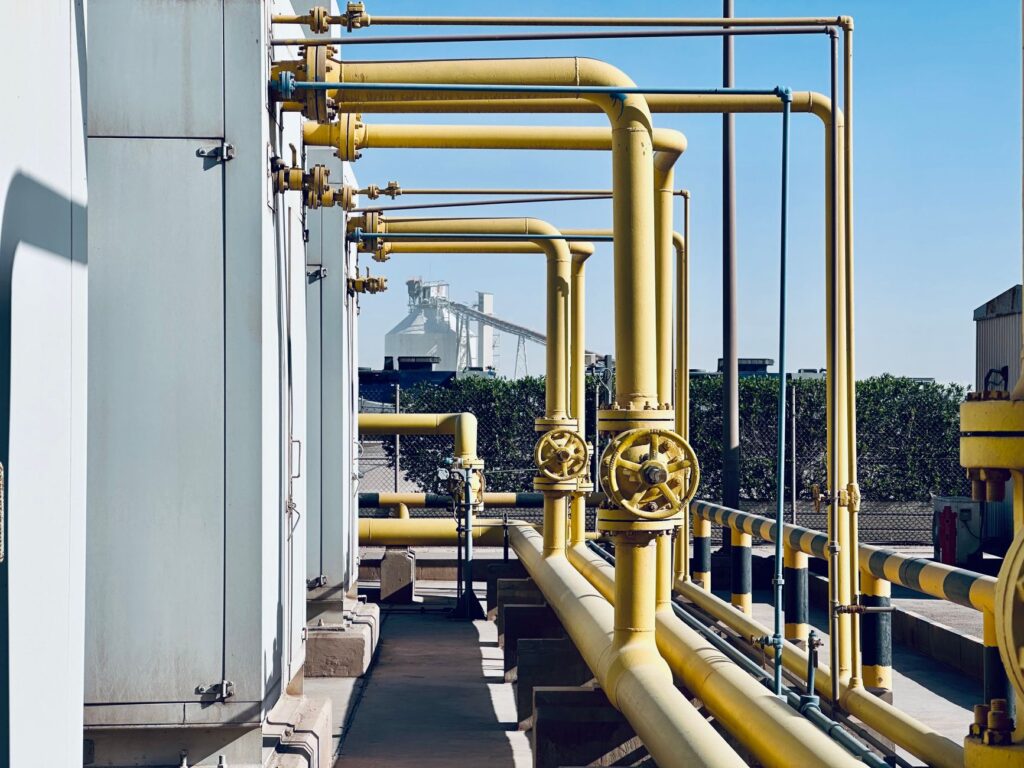
The natural gas transportation system in Nevada plays a crucial role in ensuring energy reliability across the region. With the growing demand for cleaner energy sources, the nevada pipeline infrastructure must adapt to deliver natural gas efficiently and safely. This reliance on gas transportation not only supports local economies but also reinforces the state’s commitment to reducing carbon emissions.
Overview of Gas Transportation Systems in Nevada Pipeline Infrastructure
Nevada’s gas transportation system comprises an extensive network of pipelines that deliver natural gas from production sites to consumers, including residential, commercial, and industrial users. The natural gas is primarily sourced from interstate pipelines, which connect to major supply points in the western United States. Once the gas reaches Nevada, it is distributed through local pipelines managed by utility companies like NV Energy.
The process begins with extraction, followed by compression and transportation through high-pressure pipelines. These pipelines are crucial for energy distribution, ensuring that gas reaches its destination reliably and efficiently. Moreover, the state has implemented a robust regulatory framework to oversee these operations, including compliance with the Pipeline and Hazardous Materials Safety Administration (PHMSA) standards.
Safety Protocols in Gas Distribution
While gas transportation is essential for energy reliability, safety remains a top priority. The industry has made significant strides in pipeline safety through advanced technologies and stringent regulations. Regular inspections, monitoring systems, and leak detection technologies are now standard practices to minimize risks associated with gas transportation.
Moreover, the Nevada Division of Environmental Protection enforces safety protocols that align with federal standards, ensuring that both pipeline safety and environmental considerations are addressed. These measures help to mitigate the risk of leaks and accidents, reinforcing public trust in the nevada pipeline infrastructure.
Despite these advancements, critics argue that the infrastructure still faces challenges, including aging pipelines and the need for continuous investment in upgrades. While these points are valid, the proactive measures being taken by utility companies and regulatory bodies illustrate a commitment to maintaining safety and reliability in gas distribution.
As Nevada continues to evolve its energy landscape, the importance of a secure and efficient gas transportation system cannot be overstated. By prioritizing safety and embracing technological advancements, the state can ensure that its pipeline infrastructure remains a backbone of energy reliability for years to come.
Pipeline Safety: A Critical Concern in Nevada Pipeline Infrastructure
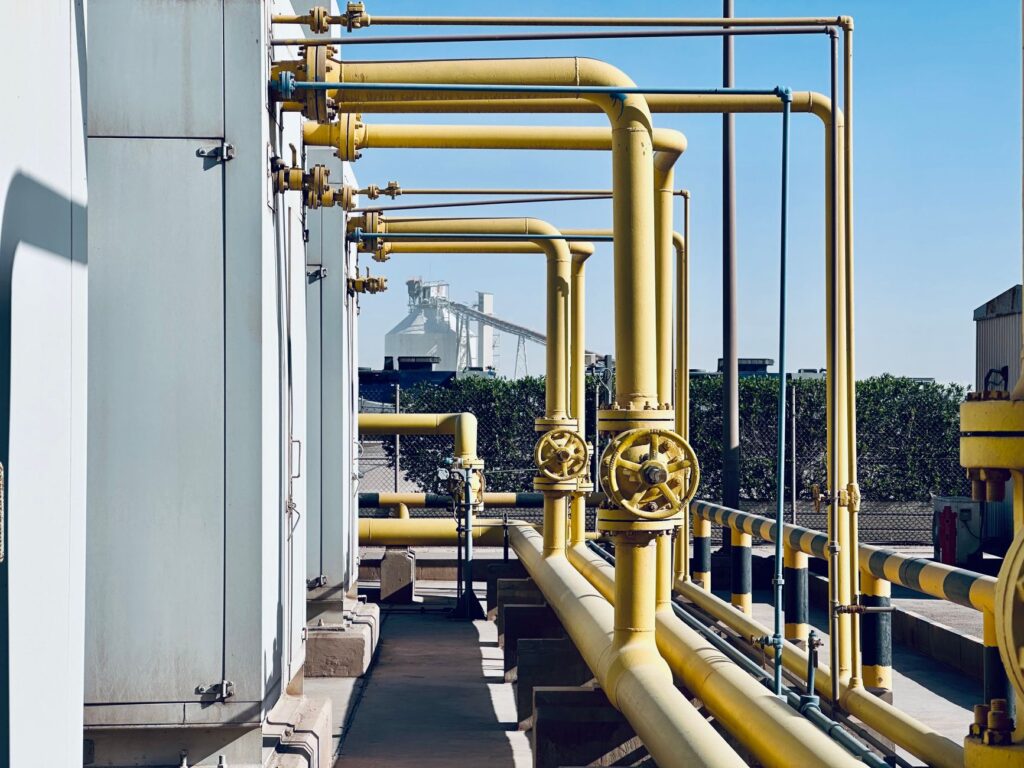
As Nevada continues to evolve its energy distribution systems, the safety of its pipeline infrastructure remains a paramount concern. Ensuring that our oil pipelines and gas transportation methods are secure is not just a matter of regulatory compliance; it’s about protecting our communities, environment, and economy. The integrity of Nevada pipeline infrastructure is crucial, and a robust regulatory framework is essential in maintaining this integrity.
Regulatory Framework for Pipeline Safety
The regulatory landscape governing pipeline safety in Nevada is multi-faceted, involving both state and federal oversight. The Pipeline and Hazardous Materials Safety Administration (PHMSA) provides national standards, while the Nevada Division of Environmental Protection oversees local compliance. These agencies work collaboratively to enforce regulations that ensure pipelines are regularly monitored and maintained. However, the effectiveness of these regulations relies heavily on continuous assessments and updates to safety protocols to adapt to emerging technologies and methodologies.
Recent Incidents and Lessons Learned in Nevada Pipeline Infrastructure
Recent incidents across the country have highlighted the vulnerabilities within pipeline systems. For instance, a significant leak in a nearby state underscored the importance of proactive maintenance and rapid response capabilities. Lessons learned from such events emphasize the need for regular safety assessments and the implementation of advanced monitoring technologies. According to the National Academies of Sciences, Engineering, and Medicine, incorporating smart technologies can significantly reduce risks associated with pipeline failures.
Despite the existing regulations, gaps remain. Community awareness and involvement can play a critical role in enhancing safety measures. Engaging local stakeholders in pipeline safety discussions ensures that the voices of those most affected are heard, fostering a culture of transparency and accountability. The ongoing discourse around pipeline safety is essential to not only mitigate risks but also to promote a sustainable energy future.
In the end, the safety of Nevada’s pipeline infrastructure is not just a technical issue; it’s a communal responsibility. By adopting a proactive approach and embracing innovative solutions, we can ensure that our oil pipelines and gas transportation systems are not only efficient but also secure for generations to come.
The Future of Nevada Pipeline Infrastructure
As we look to the future of Nevada pipeline infrastructure, it is clear that innovation and sustainability will play pivotal roles in shaping its evolution. The integration of advanced technologies and a commitment to environmental stewardship will not only enhance the efficiency of oil pipelines and gas transportation but also address the growing demand for renewable energy sources.
Innovations in Pipeline Technology
One of the most promising advancements on the horizon is the development of smart pipelines. These systems utilize sensors and automation to monitor conditions in real time, significantly improving pipeline safety and operational efficiency. According to a report from the U.S. Department of Energy, smart pipelines can reduce leaks and failures by up to 30%, which is crucial for maintaining public trust and environmental integrity.
Automation will also streamline energy distribution in Nevada, allowing for quicker responses to potential issues and optimizing the flow of resources. As the demand for energy continues to rise, these technologies will ensure that our infrastructure is robust enough to meet that need while minimizing disruptions.
Sustainability and Environmental Considerations
However, the future of Nevada pipeline infrastructure must also prioritize sustainability. As the state transitions toward renewable energy sources, integrating these efforts with traditional energy systems is vital. The Nevada Energy Plan emphasizes a balanced approach to energy distribution, advocating for a mix of renewables and conventional sources. This alignment can reduce carbon footprints while ensuring that energy needs are met efficiently.
Additionally, companies are exploring eco-friendly materials and construction techniques for new pipelines, which can minimize environmental impact. While some may argue that the investment in such technologies is costly, the long-term benefits of reduced environmental risks and operational costs far outweigh the initial expenses. The transition to smarter, more sustainable practices is not just a trend, but a necessity for the future of our energy infrastructure.
the future of Nevada pipeline infrastructure is bright, driven by innovation and a commitment to sustainability. By embracing smart technologies and prioritizing environmental considerations, we can ensure that our energy distribution systems are safe, efficient, and aligned with the state’s renewable energy goals. As Nevada continues to grow, so too must our approach to pipeline development, ensuring we are prepared for the challenges and opportunities that lie ahead.

The Nevada pipeline infrastructure plays a crucial role in the state’s economy, facilitating efficient oil pipelines and gas transportation. As energy distribution continues to evolve, understanding the nuances of pipeline safety becomes increasingly important for both industry stakeholders and the public. By investing in robust infrastructure, Nevada can ensure a reliable energy supply while prioritizing safety and sustainability.
For those interested in exploring the complexities of this vital sector, engaging with local energy authorities and industry experts is a great next step. Staying informed about emerging technologies and regulatory changes will help you appreciate the significance of Nevada’s pipeline infrastructure in our everyday lives. Whether you are a resident, business owner, or simply an energy enthusiast, your awareness and involvement can contribute to the ongoing conversation about energy and safety in the region.
“`html
What is the current state of nevada pipeline infrastructure?
The current state of Nevada pipeline infrastructure is a mix of aging systems and newer developments. Many pipelines are operational, transporting oil and gas across the state. However, there are ongoing discussions about the need for upgrades and maintenance to ensure safety and efficiency. Recent investments aim to modernize certain sections, reflecting a commitment to both environmental standards and reliable energy distribution.
How do oil pipelines impact Nevada’s economy?
Oil pipelines play a significant role in Nevada’s economy by facilitating the transportation of crude oil and refined products. They support local jobs in construction, maintenance, and operations, while also generating tax revenue for state and local governments. The efficient movement of oil enhances energy security and can lower fuel prices, contributing to a stable economic environment.
What safety measures are in place for gas transportation?
Safety measures for gas transportation in Nevada include rigorous inspections, leak detection systems, and routine maintenance protocols. Operators must adhere to federal and state regulations to minimize risks. Emergency response plans are also essential, ensuring that local agencies are prepared to act swiftly in the event of an incident, maintaining the integrity of the nevada pipeline infrastructure.
What are the main regulatory bodies overseeing pipeline safety in Nevada?
The main regulatory bodies overseeing pipeline safety in Nevada include the Nevada Division of Environmental Protection and the U.S. Department of Transportation’s Pipeline and Hazardous Materials Safety Administration (PHMSA). These agencies enforce safety standards, conduct inspections, and ensure compliance with federal and state regulations to protect the environment and public health.
How does pipeline infrastructure contribute to energy distribution?
Pipeline infrastructure is crucial for energy distribution, enabling the efficient transport of oil and gas from production sites to consumers. It connects various energy sources to markets, ensuring that fuel reaches power plants, refineries, and end-users. This infrastructure supports not only local energy needs but also contributes to broader regional energy stability and economic growth.
What challenges does Nevada face regarding its pipeline infrastructure?
Nevada faces several challenges regarding its pipeline infrastructure, including aging pipelines that require modernization, environmental concerns, and regulatory compliance. Additionally, the state’s unique geography and climate can complicate maintenance efforts. Balancing energy demands with environmental protection and community safety is an ongoing challenge for policymakers and operators alike.
“`