
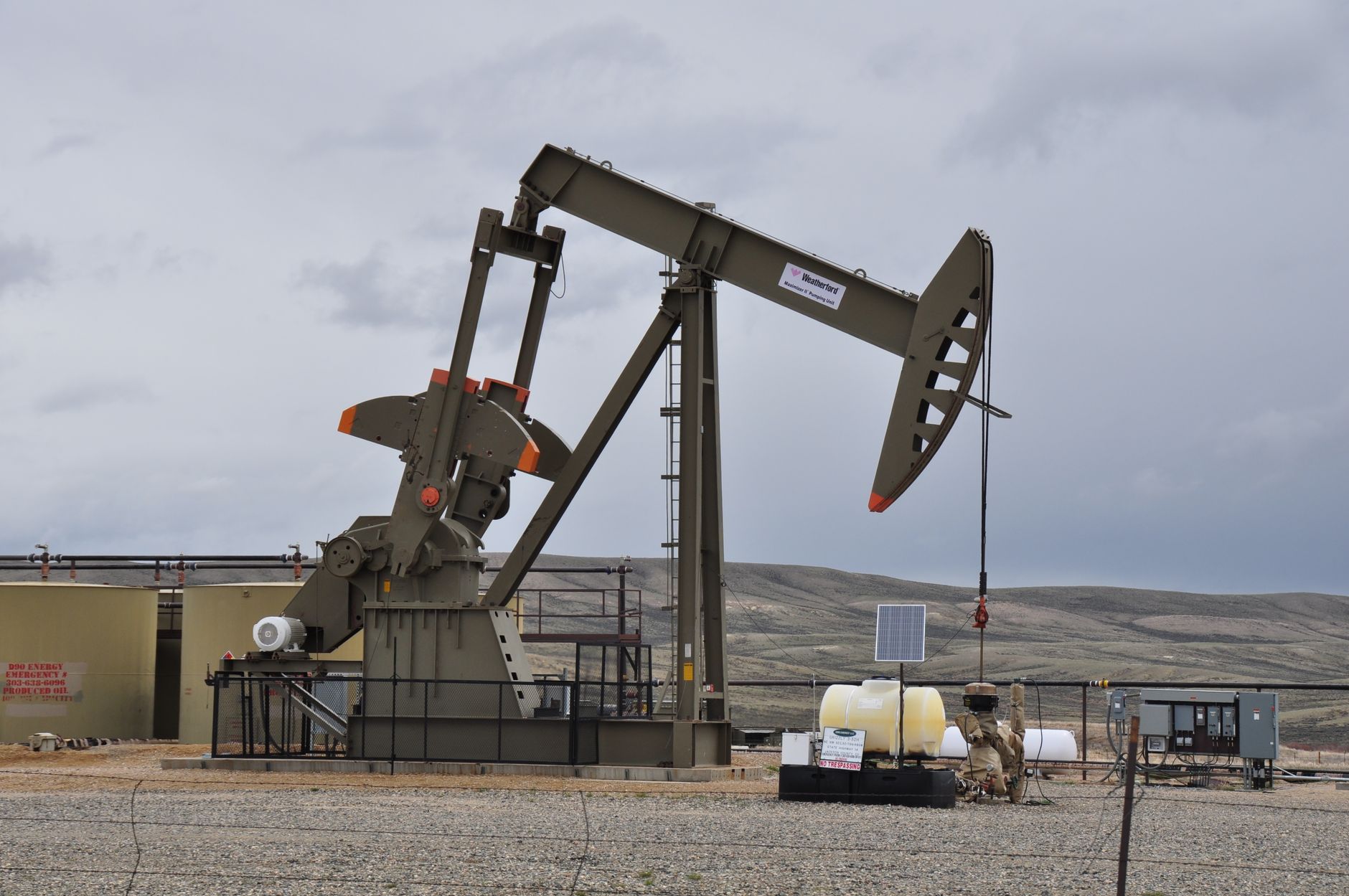
Petroleum exploration in Nevada is an exciting and complex endeavor that has garnered significant attention in recent years. With the state’s untapped oil reserves and growing interest in energy exploration, Nevada has become a focal point for both established companies and newcomers in the petroleum industry. This comprehensive guide will walk you through the various aspects of petroleum exploration in the Silver State. We will explore the intricate process of oil drilling in Nevada, discuss the future of energy exploration, and examine the economic impact of the petroleum industry on the local and national economy. Additionally, we will debate the future of petroleum exploration in Nevada, considering both the opportunities and challenges that lie ahead. Whether you are a seasoned professional or simply curious about the subject, this guide will equip you with the knowledge you need to navigate the evolving landscape of petroleum exploration in Nevada. For more insights, visit BLM’s Oil and Gas Program or check out NV Energy to understand more about energy initiatives in the region.
Understanding Petroleum Exploration in Nevada
What is Petroleum Exploration?
Petroleum exploration refers to the systematic search for hydrocarbons in the earth’s subsurface, primarily through geological surveys, geophysical methods, and drilling activities. This process aims to identify potential oil and gas reserves, which are crucial for meeting energy demands. As the world shifts towards sustainable energy solutions, understanding the role of petroleum exploration becomes even more significant, especially in resource-rich regions like Nevada.
Why Petroleum Exploration Nevada Matters
Nevada’s geological features provide a unique landscape conducive to petroleum exploration. The state is home to a variety of sedimentary basins that have demonstrated the potential for oil reserves. According to the Bureau of Land Management, specific areas in Nevada have shown geological formations that could harbor significant quantities of hydrocarbons. This has sparked interest not only among energy companies but also among policymakers concerned with the state’s economic development.
The importance of Nevada in the petroleum industry cannot be understated. With extensive studies highlighting the state’s untapped resources, Nevada stands as a frontier for energy exploration. For instance, the Nevada Energy Report notes that advancements in technology have made it feasible to explore regions that were once deemed inaccessible. The potential for oil drilling in Nevada opens new avenues for job creation, revenue generation, and energy independence.
However, this exploration is not without its counterpoints. Critics often raise concerns about environmental impacts and the sustainability of fossil fuel extraction in a time when the focus is increasingly on renewable energy sources. Balancing economic benefits with environmental stewardship is a challenge that stakeholders must navigate. Despite these challenges, the prospects for petroleum exploration in Nevada remain promising, driven by both technological advancements and the pressing need for energy resources.
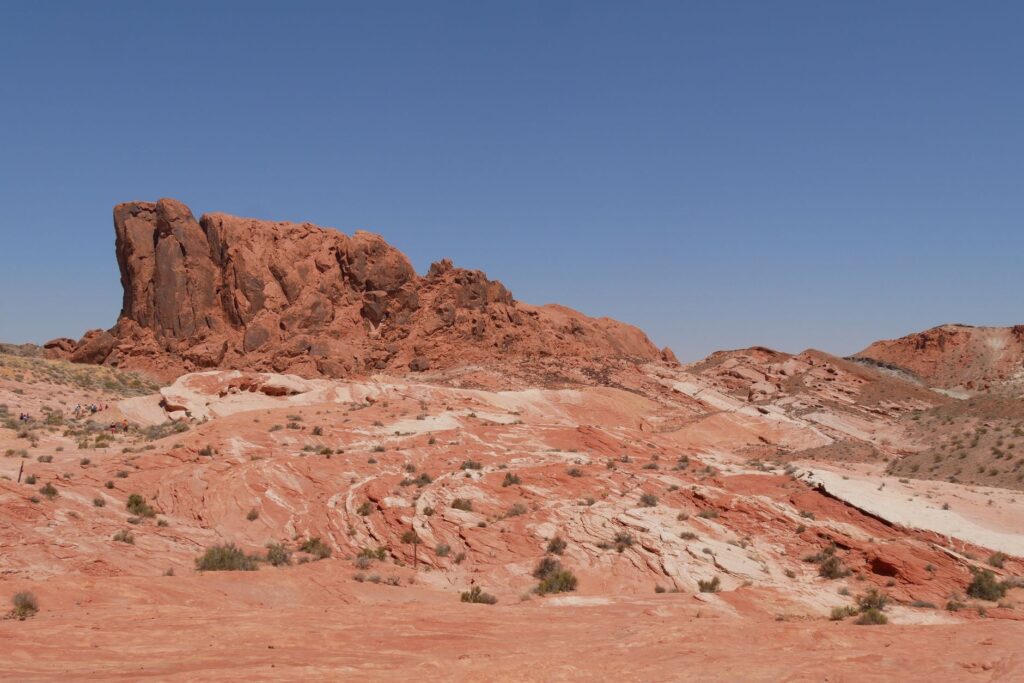
As Nevada continues to be a focal point for energy exploration, its geological potential can significantly contribute to our understanding and expansion of the petroleum industry. Engaging in responsible exploration practices will not only safeguard the environment but also ensure that Nevada’s resources are harnessed for future generations.
The Process of Oil Drilling in Nevada
Step-by-Step Oil Drilling Process
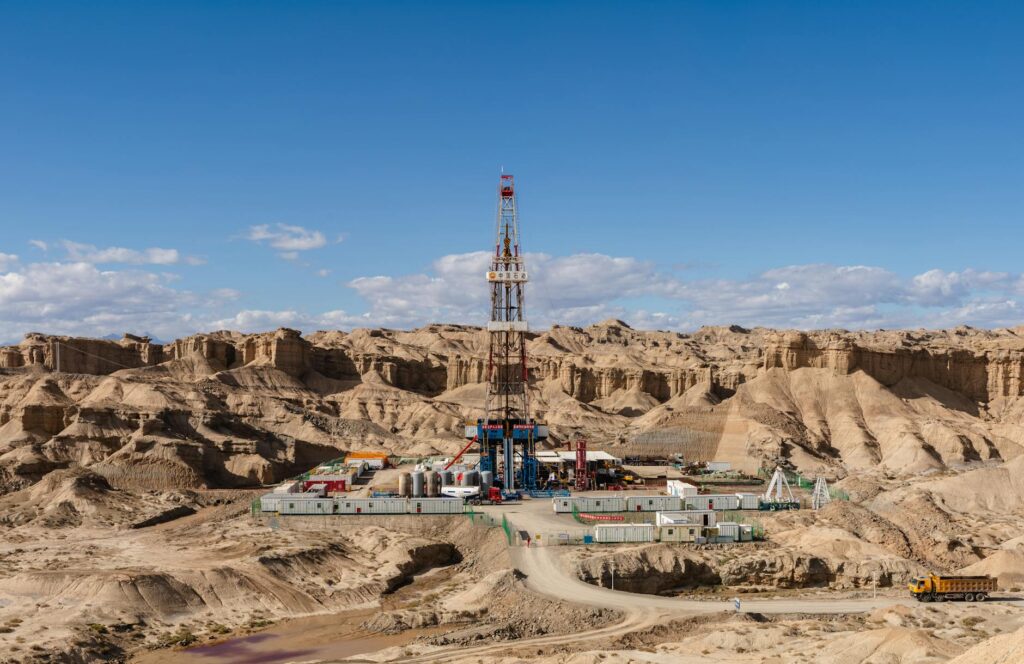
Understanding the petroleum exploration in Nevada requires a grasp of the oil drilling process itself, which involves several key stages. It begins with site selection, where geologists conduct surveys to locate potential oil reserves. This is often followed by exploratory drilling, where test wells are drilled to assess oil quality and quantity. If the findings are promising, operators move on to development drilling, which involves constructing production wells.
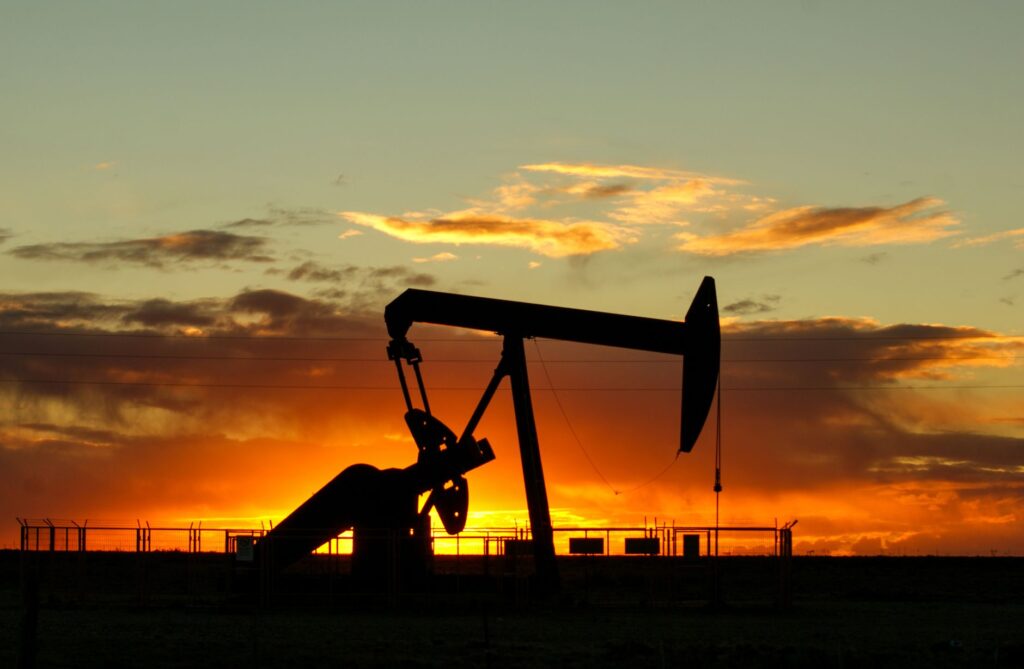
Once the site is prepared, extraction takes place. This involves pumping the oil from the ground and transporting it to refineries. Throughout this stage, maintaining safety and minimizing environmental impact are crucial. The process is complex, requiring a skilled workforce and advanced technology to ensure efficiency and compliance with regulations.
Challenges in Oil Drilling Nevada
Despite the potential rewards, oil drilling in Nevada faces unique challenges. One significant hurdle is navigating the regulatory landscape. The state has stringent regulations aimed at protecting its delicate ecosystems. These laws can slow down the permitting process, making it difficult for companies to move forward with their plans. Additionally, locals often express concerns about the environmental impact of drilling, which can lead to public opposition.
Moreover, the petroleum industry in Nevada is not as developed as in other states, which can limit access to resources and expertise. This can present challenges in energy exploration, as companies may struggle to find skilled labor and necessary technologies. Despite these obstacles, the potential for untapped oil reserves continues to attract interest, indicating that the future of oil drilling in Nevada is still ripe with possibilities.
In weighing the pros and cons of oil drilling in Nevada, it’s clear that while there are significant challenges, the potential for responsible development exists. The balance between energy demands and environmental stewardship will ultimately shape the future of petroleum exploration in the state.
The Future of Energy Exploration in Nevada
Emerging Technologies in Petroleum Exploration Nevada
The future of petroleum exploration in Nevada looks promising, primarily due to advancements in technology that are revolutionizing how we locate and extract oil. Techniques such as enhanced seismic imaging and advanced drilling methods are at the forefront of this evolution. Seismic imaging allows geologists to visualize the subsurface with remarkable clarity, identifying potential oil-rich formations that were once nearly impossible to detect. Meanwhile, innovations in drilling technology have made it possible to extract oil more efficiently and with less environmental impact. As companies adopt these technologies, Nevada could see a resurgence in interest from the petroleum industry, fostering a more robust local economy.
Potential for New Oil Reserves
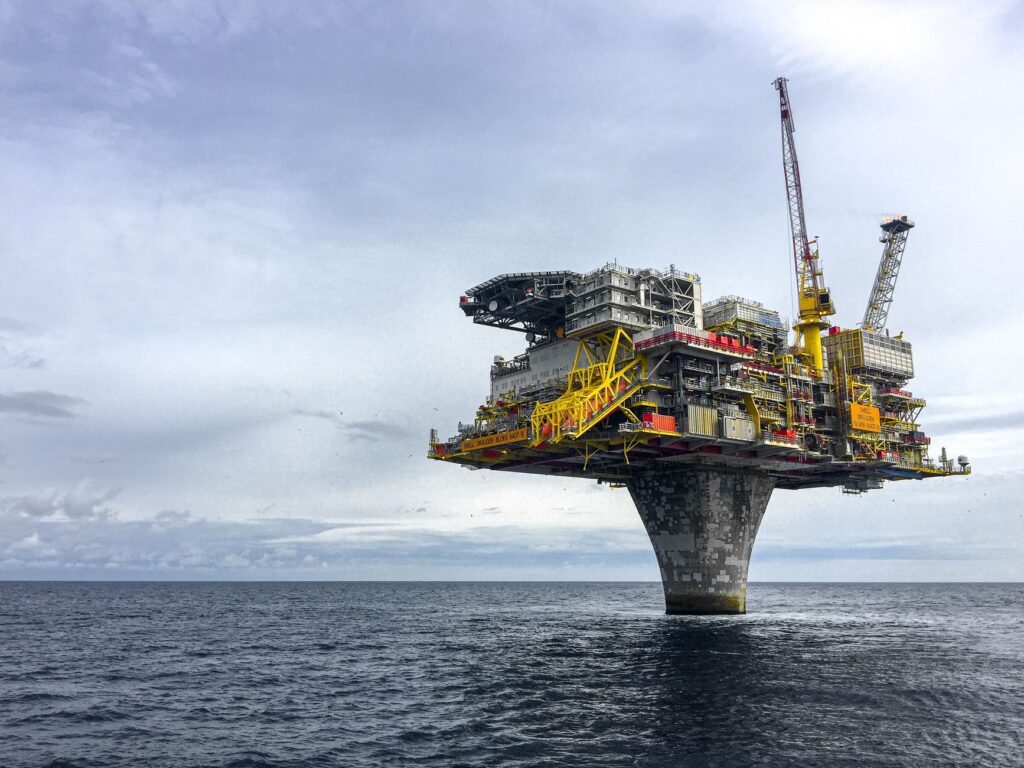
Beyond technological advancements, the potential for discovering new oil reserves in Nevada further bolsters optimism for the future of energy exploration in the state. Recent geological surveys have indicated untapped reservoirs, which could significantly contribute to the state’s energy portfolio. If these oil reserves are developed, they not only promise to enhance energy independence but also create jobs and stimulate local economies. However, it is essential to balance these economic benefits with environmental considerations. Critics often argue that increased oil drilling in Nevada could lead to detrimental effects on ecosystems and communities. This tension raises important questions about sustainable practices in the energy exploration sector.
Ultimately, the future of petroleum exploration in Nevada hinges on how well we can harness new technologies while responsibly managing natural resources. By embracing innovation and prioritizing sustainability, Nevada can position itself as a leader in the evolving landscape of the petroleum industry.
Economic Impact of the Petroleum Industry in Nevada
The petroleum industry stands as a beacon of economic potential in Nevada, intertwining with the state’s future in significant ways. As we delve into petroleum exploration in Nevada, it becomes clear that this sector not only contributes to job creation but also propels overall economic growth, despite the accompanying environmental concerns.
Job Creation and Economic Growth
Nevada’s economy benefits immensely from oil drilling and related activities. The petroleum industry creates thousands of jobs, ranging from direct employment in drilling operations to ancillary services in transportation and logistics. According to the Bureau of Labor Statistics, the energy exploration sector contributes significantly to the state’s job market, providing stability and opportunities for local communities.
Moreover, the revenue generated from oil reserves fuels public services and infrastructure development. Tax revenues from the petroleum industry support education, healthcare, and transportation projects, making it a vital component of Nevada’s economic framework. As energy demands grow, the potential for expanded job opportunities in this sector is promising, solidifying the argument for more investment in petroleum exploration.
Environmental Considerations and Community Impact
While the economic benefits are compelling, it’s essential to weigh them against environmental considerations. The potential impact of oil drilling in Nevada raises concerns over air and water quality, wildlife habitat disruption, and climate change. Striking a balance between energy needs and ecological preservation is crucial. Local communities often face difficult choices between economic growth and environmental stewardship. It becomes imperative for the industry to adopt sustainable practices to minimize adverse effects.
the economic impact of the petroleum industry in Nevada cannot be overstated. While it offers a pathway to substantial job creation and growth, the ongoing challenge lies in ensuring that energy exploration aligns with responsible environmental management. The future of petroleum exploration in Nevada hinges on finding that delicate balance between progress and preservation, fostering a sustainable path forward for all stakeholders involved.

Debating the Future of Petroleum Exploration in Nevada
Proponents of Petroleum Exploration
Advocates for petroleum exploration in Nevada argue that the benefits far outweigh the potential drawbacks. The state is home to substantial oil reserves, and tapping into these resources could bolster the local economy, create jobs, and provide a much-needed revenue stream for state coffers. The U.S. Energy Information Administration notes that energy exploration can lead to increased energy independence, which is crucial in today’s geopolitical landscape. Proponents assert that advancements in technology have made oil drilling in Nevada safer and more efficient than ever before, minimizing environmental risks and disruption.
Opponents and Environmental Concerns
On the flip side, opponents raise significant environmental concerns. The potential impact on Nevada’s delicate ecosystems cannot be ignored. The Natural Resources Defense Council has highlighted the risks associated with oil drilling, including water contamination and habitat destruction. Community opposition is also a prominent factor; many Nevadans are deeply invested in preserving their natural landscapes and are wary of the petroleum industry encroaching on public lands. A study from ScienceDirect found that areas near oil drilling sites often experience increased pollution levels, which can harm both wildlife and human health.
As the debate continues, it’s clear that the future of petroleum exploration in Nevada hinges on finding a balance between economic growth and environmental stewardship. While the allure of untapped oil reserves is tempting, the long-term consequences of energy exploration must be carefully considered. Ultimately, any decision made will impact not only the economy but also the quality of life for current and future generations.
Conclusion: Navigating the Future of Petroleum Exploration in Nevada
Nevada stands at a pivotal crossroads in the realm of petroleum exploration, balancing the promise of untapped oil reserves with the pressing need for environmental stewardship. As the petroleum industry evolves, the state has the opportunity to carve out a sustainable path that promotes energy exploration while respecting its unique landscapes and ecosystems. The future of petroleum exploration in Nevada hinges on an integrated approach that considers both economic benefits and ecological impacts.
Petroleum Exploration in Nevada: A Sustainable Approach
The potential for oil drilling in Nevada is substantial, with the U.S. Geological Survey estimating significant undiscovered oil reserves in the region. However, the question remains: how can we responsibly harness these resources? The answer lies in embracing innovative technologies and practices that minimize environmental harm. For instance, advanced drilling techniques can reduce surface disruption and lower the carbon footprint associated with extraction. Moreover, investing in renewable energy sources alongside traditional oil drilling can enhance energy security while promoting a diversified energy portfolio.
Nevertheless, there are valid concerns regarding the environmental ramifications of unfettered exploration. Communities and activists often voice apprehensions about water contamination and habitat destruction. Addressing these issues through transparent communication and rigorous regulatory oversight is essential to build public trust and ensure responsible practices in the petroleum industry.
Looking ahead, Nevada can set an example for other states by adopting a balanced approach to its energy future. By fostering collaboration between stakeholders, government agencies, industry leaders, and local communities, the state can navigate the complexities of petroleum exploration while safeguarding its natural heritage. The future of petroleum exploration in Nevada is not just about oil; it’s about creating a sustainable legacy for generations to come.

As we’ve explored, the landscape of petroleum exploration in Nevada offers a unique blend of opportunities and challenges. The state’s geological formations hold potential oil reserves that could significantly contribute to the petroleum industry. Understanding the intricacies of oil drilling in Nevada is essential for anyone looking to navigate this field successfully. The future of energy exploration here is not just about tapping into existing resources, but also about adopting innovative technologies and sustainable practices.
If you’re considering venturing into energy exploration or seeking to invest in the petroleum industry, now is the time to delve deeper into the specifics of Nevada’s oil landscape. Whether you’re an investor, a geologist, or simply curious, exploring the state’s oil drilling potential could lead to exciting opportunities. Take the next step by connecting with local experts or attending industry seminars to broaden your understanding of this dynamic sector.
“`html
What are the main oil reserves in Nevada?
Nevada is home to several oil reserves, primarily located in the Elko and Eureka counties. The most significant reserves include the Railroad Valley and the Pine Valley, where both conventional and unconventional resources are being explored. These areas have shown promise due to their geological formations, making them key players in the ongoing petroleum exploration in Nevada.
How does oil drilling in Nevada impact the environment?
Oil drilling in Nevada can have various environmental impacts, including habitat disruption, water pollution, and air quality degradation. The extraction process requires careful management to mitigate these effects. Regulatory bodies often mandate environmental assessments and monitoring to ensure that drilling activities do not harm local ecosystems, promoting a balance between energy exploration and environmental protection.
What technologies are used in petroleum exploration?
Petroleum exploration employs several advanced technologies, including seismic surveying, drilling techniques, and geological modeling. Seismic surveys help identify potential oil deposits beneath the surface, while drilling technologies allow for more efficient extraction. Innovative approaches such as remote sensing and data analytics are also increasingly utilized to enhance the accuracy of exploration efforts in Nevada’s oil fields.
Are there any recent developments in Nevada’s petroleum industry?
Recent developments in Nevada’s petroleum industry include increased investments in exploration technologies and the establishment of new drilling projects. Companies are focusing on revitalizing older oil fields and adopting sustainable practices. Additionally, the state government has been working on policies that could facilitate more efficient energy exploration, making it an exciting time for petroleum exploration in Nevada.
What regulations govern petroleum exploration in Nevada?
Petroleum exploration in Nevada is regulated by state and federal laws aimed at ensuring safe and environmentally responsible practices. The Nevada Division of Minerals oversees oil and gas operations, requiring permits and compliance with environmental standards. Key regulations include the National Environmental Policy Act and specific state laws that dictate exploration processes, site assessments, and operational safety measures.
How can I invest in oil drilling projects in Nevada?
Investing in oil drilling projects in Nevada can be done through direct investments in oil companies, energy funds, or partnerships with established operators. Interested investors should conduct thorough research on the companies involved and their exploration portfolios. Networking within industry events and consulting with financial advisors specializing in energy investments can also provide valuable insights into potential opportunities in Nevada’s petroleum industry.
“`