Paul For Nevada climate change policies are becoming increasingly crucial as Nevada faces the pressing challenges of climate change. With rising temperatures, wildfires, and water scarcity threatening the state’s natural beauty and economy, understanding the proposed solutions is vital. This article will explore Paul For Nevada’s key strategies in addressing these environmental challenges, focusing on how his policies align with broader Nevada climate action efforts. We will dive into the importance of community engagement in climate initiatives, the specific environmental policies Nevada needs, and how these policies aim to tackle the unique obstacles the state faces. Additionally, we will discuss measurable impacts of these policies and what they mean for the future of Nevada. As the 2026 candidate climate plans take shape, the vision for a sustainable Nevada is clearer than ever. Join us as we break down the essential components of Paul For Nevada’s climate change policies and their implications for the communities across the Silver State.
Understanding Paul For Nevada Climate Change Policies
The Importance of Climate Action in Nevada
Nevada is facing significant climate challenges, from rising temperatures to prolonged droughts, which threaten its unique ecosystems and the well-being of its residents. As one of the states most affected by climate change, effective Nevada climate action is crucial for the future of our communities and natural resources. With the evidence mounting, the need for robust environmental policies is more pressing than ever.
This is where Paul For Nevada’s climate change policies come into play. By focusing on sustainable practices and renewable energy, Paul aims to address the root causes of climate change while also promoting economic growth. His policies are designed to tackle existing challenges such as water scarcity and air quality, which are critical issues in the Silver State. For those interested in a deeper dive into Nevada’s climate initiatives, the policies proposed by Paul For Nevada serve as a promising roadmap toward a more sustainable future. You can explore more about these initiatives through Paul For Nevada Climate Change Plan: Key Initiatives.
Overview of Paul For Nevada’s Environmental Policies
Paul For Nevada has outlined several key policies aimed at combating climate change and fostering a cleaner environment. These include:
- Investment in Renewable Energy: Paul advocates for increasing Nevada’s renewable energy capacity, aiming to transition the state to 100% clean energy by 2030. This shift is not just environmentally responsible but also economically beneficial, creating jobs in the green sector.
- Water Conservation Initiatives: Given Nevada’s water scarcity, Paul emphasizes innovative water management strategies to ensure sustainable usage while preserving the state’s natural habitats.
- Carbon Emission Reduction: His policies focus on reducing greenhouse gas emissions through improved transportation systems and incentives for electric vehicles.
- Support for Local Communities: Paul aims to empower local communities to adopt sustainable practices through education and funding, ensuring that all Nevadans can participate in climate action.
Looking ahead to the 2026 candidate climate plans, Paul For Nevada’s approach is designed to create a lasting impact, ensuring that Nevada not only adapts to climate change but thrives in a sustainable future.
Key Strategies in Paul For Nevada’s Climate Change Policies
Renewable Energy Initiatives in Paul For Nevada’s Climate Change Policies
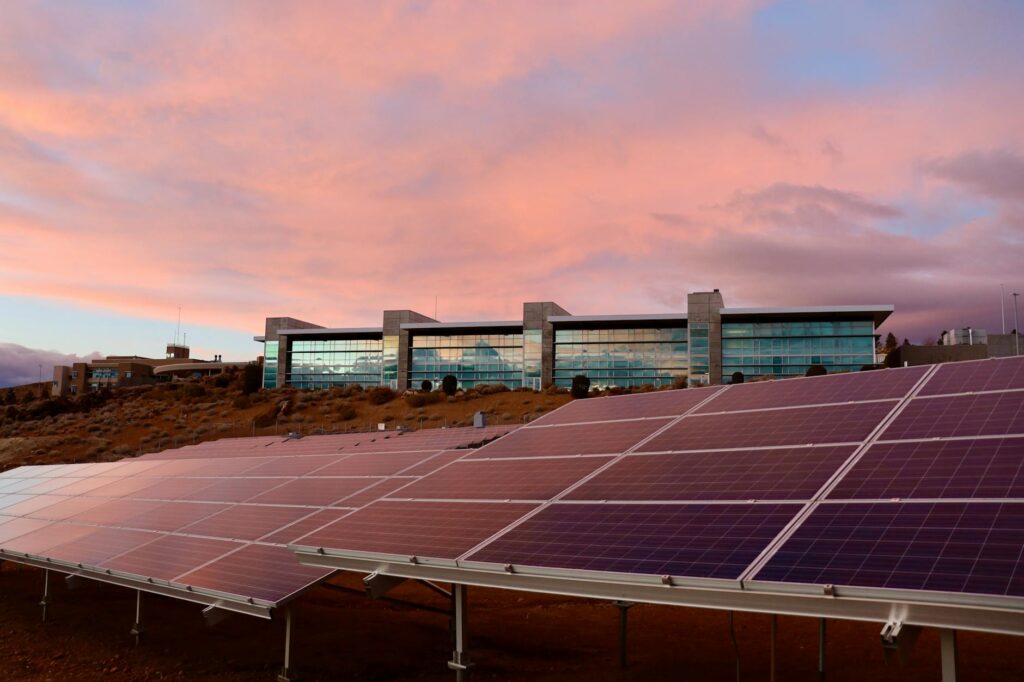
One of the cornerstones of Paul For Nevada’s climate change policies is a robust commitment to renewable energy. The initiative focuses heavily on expanding solar and wind energy projects across the state. Nevada, blessed with abundant sunlight and wind, is poised to become a leader in clean energy production. Under Paul For Nevada’s plan, the goal is to achieve 100% renewable energy by 2050. This ambitious target aligns with broader Nevada climate action goals, aiming to reduce greenhouse gas emissions significantly.
To support this transition, Paul advocates for incentives aimed at both businesses and homeowners to invest in solar panel installations. This includes tax credits and grants, making it easier for residents to harness clean energy. Additionally, substantial investments in wind energy infrastructure are planned, targeting areas with high wind potential. By promoting these initiatives, Nevada can not only reduce its carbon footprint but also create thousands of jobs in the renewable energy sector, fostering economic growth.
Sustainable Transportation Solutions
Equally important are the sustainable transportation solutions outlined in Paul For Nevada’s climate change policies. The initiative aims to enhance public transportation systems, making them more accessible and efficient. By increasing the use of electric buses and expanding light rail networks, the plan seeks to reduce reliance on fossil fuels in the transportation sector, which is a significant contributor to greenhouse gas emissions.
Moreover, Paul advocates for the development of electric vehicle (EV) charging infrastructure throughout the state, making it easier for residents to switch to cleaner transportation options. This initiative not only supports environmental policies Nevada aims to implement but also aligns with 2026 candidate climate plans that emphasize reducing carbon emissions in urban areas.
By integrating these strategies, Paul For Nevada’s climate change policies work towards a sustainable future for all Nevadans. Embracing renewable energy and sustainable transportation will pave the way for a healthier environment and a thriving economy.
Community Engagement in Climate Action
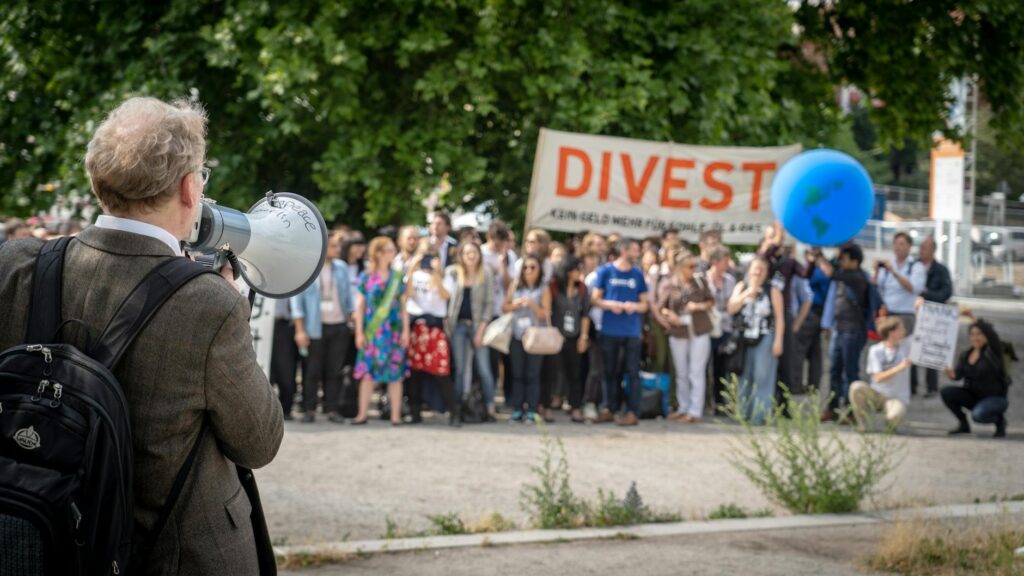
One of the cornerstones of Paul For Nevada climate change policies is a commitment to local community involvement in climate action. Recognizing that effective environmental change often begins at the grassroots level, Paul’s approach emphasizes the critical role that communities play in implementing sustainable practices and strategies. By fostering local engagement, we can harness the collective power of individuals to make meaningful impacts on Nevada’s climate action.
Involving Local Communities
To drive local involvement, Paul aims to create partnerships with community organizations, non-profits, and local businesses. These collaborations will enable residents to participate in initiatives such as community gardens, local clean-up events, and tree-planting drives, all of which contribute to reducing carbon footprints and enhancing local ecosystems. By bringing together diverse groups, these initiatives will foster a sense of ownership and accountability among residents regarding their environment.
Moreover, Paul’s climate action policies will include funding and support for community-led projects that promote sustainability. Whether it’s through renewable energy installations or waste reduction programs, these efforts will align closely with broader environmental policies in Nevada aimed at mitigating the effects of climate change.
Educational Outreach and Awareness Programs
Education is vital for equipping Nevadans with the knowledge they need to tackle climate issues. Under Paul For Nevada’s climate change policies, educational outreach programs will be developed to raise awareness about the impacts of climate change and the importance of sustainable practices. Offering workshops, seminars, and school programs will help disseminate crucial information to individuals of all ages.
These educational initiatives will also focus on the 2026 candidate climate plans and how they can be effectively implemented at the community level. By empowering citizens with the right tools and knowledge, we can create a more informed and proactive populace ready to engage in climate action.

Through these community engagement strategies, Paul For Nevada envisions a collaborative effort that not only addresses climate change but also strengthens community ties and promotes a sustainable future for all Nevadans.
Addressing Climate Change Challenges in Nevada
Nevada faces significant climate change challenges, particularly in the areas of water management and wildfire resilience. As the state grapples with persistent drought conditions, effective strategies are essential for safeguarding its water resources. With the increasing frequency and severity of wildfires, addressing these threats is more critical than ever. Paul For Nevada’s climate change policies are designed to tackle these issues head-on, ensuring a sustainable future for all Nevadans.
Dealing with Drought and Water Management
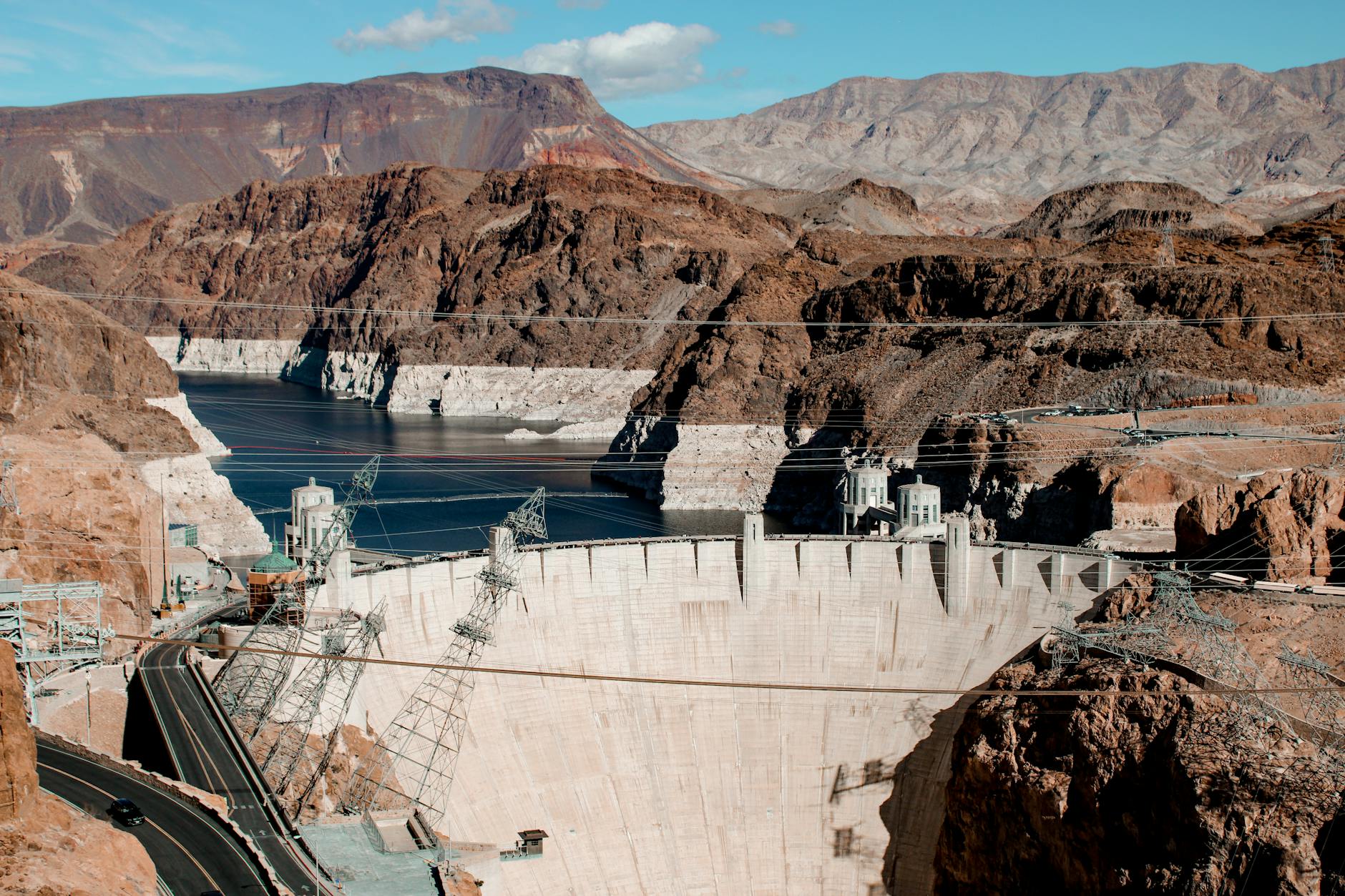
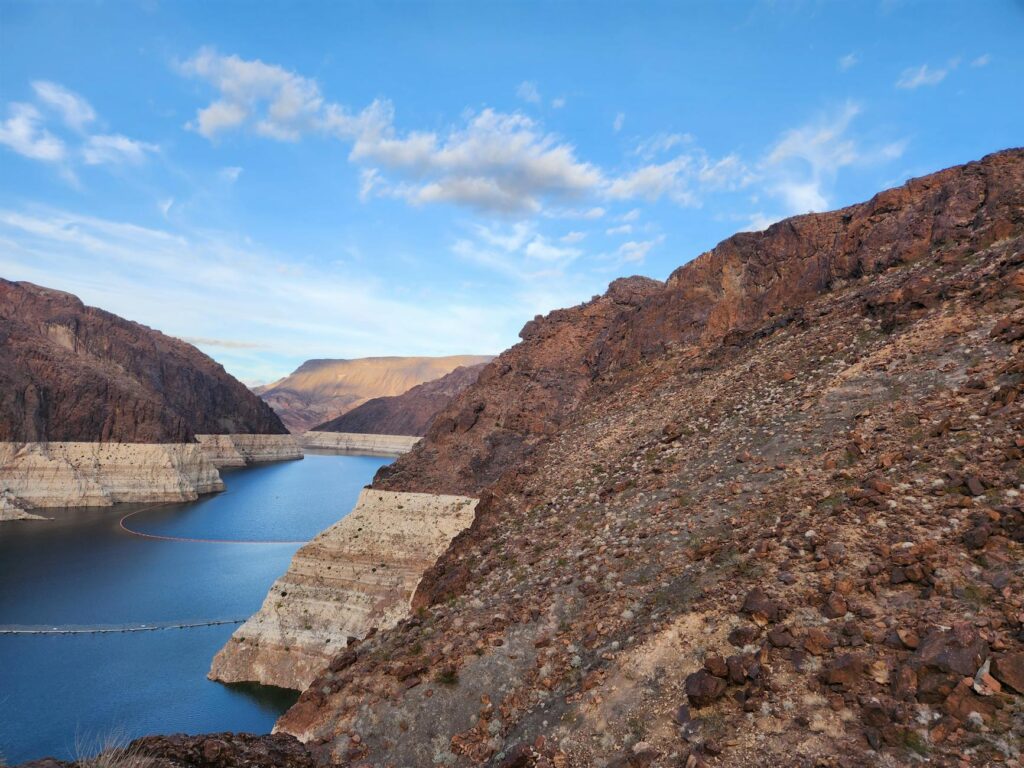
Water scarcity is a pressing concern in Nevada, where the demand often outstrips supply. The state has experienced prolonged droughts that threaten agriculture, ecosystems, and urban water supplies. Paul For Nevada climate change policies emphasize innovative water management strategies, including investments in advanced irrigation technologies and increased funding for water conservation programs. For instance, the state plans to enhance its groundwater management through better monitoring systems and infrastructure upgrades, which are crucial for sustainable usage.
Additionally, these policies align with broader Nevada climate action initiatives aimed at reducing water waste and promoting efficient usage across various sectors. By implementing these strategies, Nevada can better cope with changing climate conditions and secure its water future.
Wildfire Prevention and Resilience through Paul For Nevada Climate Change Policies
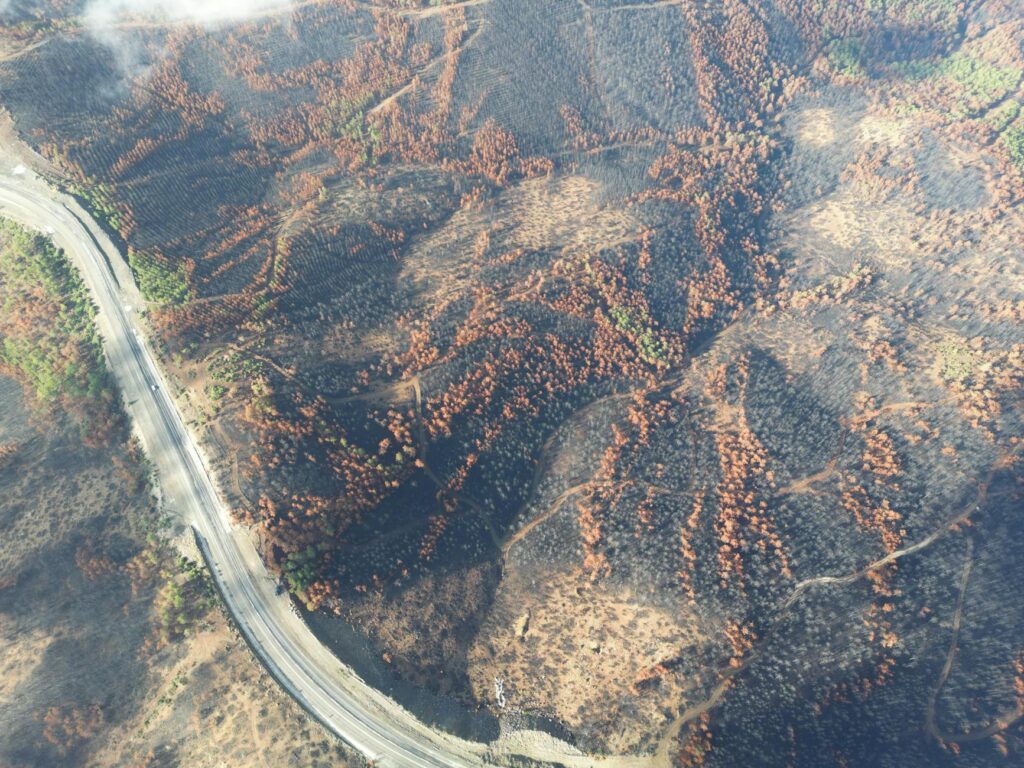
Wildfires in Nevada have become increasingly destructive, fueled by rising temperatures and dry conditions. In response, Paul For Nevada’s policies focus on enhancing wildfire prevention and community resilience. This includes funding for controlled burns, creating defensible spaces around properties, and improving forest management practices to reduce fuel loads. The state is also investing in educational programs to raise awareness about fire safety and prevention strategies within communities.
These initiatives are part of a comprehensive approach that ties into the environmental policies Nevada has developed to combat climate-related challenges. By fostering collaboration between state agencies, local governments, and communities, the plans aim to build resilience against the increasing threat of wildfires while promoting a healthier ecosystem.
As we look ahead to the 2026 candidate climate plans, it is essential to build on these foundations. Addressing these pressing climate issues will not only ensure a safer environment but also bolster Nevada’s economy and quality of life for its residents.
Measuring the Impact of Climate Change Policies
Understanding the effectiveness of Paul For Nevada climate change policies is crucial for ensuring a sustainable future. The measurement of these policies relies on setting clear goals and benchmarks, along with a commitment to regular reporting and accountability.
Setting Goals and Benchmarks
To effectively combat climate change, it is vital to establish specific, measurable targets. These benchmarks allow for tracking progress over time and ensuring that Nevada climate action initiatives are on course. For instance, goals could include a reduction in greenhouse gas emissions by a certain percentage by 2030 or an increase in renewable energy production. By setting these clear objectives, stakeholders can align their efforts and resources towards meaningful change.
Regular Reporting and Accountability in Paul For Nevada Climate Change Policies
Regular reporting is essential to maintain transparency and accountability. By monitoring progress against the established goals, the community can assess what strategies are working and what needs adjustment. Reports should be made publicly available to engage citizens and provide them with the information necessary to hold decision-makers accountable. This aligns with existing frameworks for accountability in Nevada climate action, ensuring that everyone understands the importance of these policies and their impact on the environment.
As we approach the 2026 candidate climate plans, it is imperative that these frameworks are not only implemented but also continuously refined based on data-driven outcomes. With the right tools and commitment, Nevada can lead by example in environmental policies.
The Future of Climate Action in Nevada
As we look ahead, the need for comprehensive and effective Paul For Nevada climate change policies has never been more pressing. Climate change poses significant risks to our environment, economy, and public health. However, with the right strategies in place, Nevada can emerge as a leader in climate action. The proposed environmental policies Nevada aims to implement will not only address current challenges but also pave the way for a sustainable future. By prioritizing renewable energy, enhancing energy efficiency, and investing in green infrastructure, we can significantly reduce our carbon footprint and protect our natural resources.
Moreover, the upcoming 2026 candidate climate plans will shape the trajectory of our state’s environmental initiatives. It is crucial that these plans reflect the needs and aspirations of all Nevadans, ensuring an inclusive approach to climate resilience and sustainability. The time is now to advocate for stronger climate action and hold our leaders accountable for the promises they make.

Call to Action for Residents
The role of residents in achieving these goals cannot be overstated. Your involvement is essential in pushing for effective Nevada climate action and supporting local initiatives that promote sustainability. Start by educating yourself on the issues and engaging in community efforts aimed at reducing emissions and conserving resources. Whether it’s attending town hall meetings, advocating for better environmental policies, or simply making more sustainable choices in your daily life, every action counts.
By supporting Paul For Nevada climate change policies, you are not just contributing to a cleaner environment; you are also ensuring a healthier future for generations to come. Let’s work together to create a resilient Nevada that prioritizes the well-being of its people and the planet. Your voice matters, and together we can make a difference!
Paul For Nevada Climate Change Policy ExplainedUnderstanding Paul For Nevada climate change policies is essential for anyone invested in the future of our state. His approach emphasizes not only immediate action but also long-term strategies that align with broader Nevada climate action goals. The integration of innovative technologies and community engagement is at the heart of his plans, ensuring that environmental policies in Nevada are both effective and inclusive.
As we look toward the 2026 candidate climate plans, it’s crucial for Nevadans to stay informed and involved. Whether you’re advocating for renewable energy or supporting local initiatives, every action counts. Explore how you can contribute to a sustainable future and participate in discussions about environmental policies that will shape our state. Together, we can create a better tomorrow for Nevada.
“`html
What are the main climate change policies proposed by Paul For Nevada?
Paul For Nevada has outlined several key climate change policies focusing on reducing greenhouse gas emissions, promoting renewable energy sources, and enhancing energy efficiency. These initiatives include transitioning to 100% renewable energy by 2030, implementing stricter emissions regulations for industries, and investing in sustainable infrastructure. Additionally, the policies aim to protect Nevada’s unique ecosystems through conservation efforts and promote climate resilience in vulnerable communities.
How does Paul For Nevada plan to combat climate change in Nevada?
Paul For Nevada plans to combat climate change by prioritizing legislative measures that support clean energy development, enhancing public transportation, and investing in green jobs. The strategy includes partnerships with local governments and organizations to implement community-based solutions, such as urban forestry and sustainable agriculture practices. By promoting education and awareness campaigns, the aim is to involve Nevadans in collective climate action efforts.
What specific environmental challenges does Nevada face?
Nevada faces several environmental challenges, including severe drought, water scarcity, and increasing temperatures. These issues are exacerbated by climate change, affecting agriculture, wildlife, and water resources. The state also deals with air quality concerns due to emissions from urban areas and industries. Addressing these challenges is critical for sustainable development and the health of Nevada’s residents and ecosystems.
How can residents get involved in Nevada’s climate action?
Residents can get involved in Nevada’s climate action by participating in local community meetings, volunteering for environmental organizations, and advocating for sustainable policies. Joining local clean-up events and educational workshops can also make a significant impact. Additionally, individuals are encouraged to reduce their carbon footprint by adopting energy-efficient practices at home, such as using public transportation and supporting local renewable energy initiatives.
What renewable energy initiatives are part of Paul For Nevada’s plans?
Paul For Nevada’s plans include several renewable energy initiatives, such as investing in solar and wind energy projects throughout the state. The goal is to create a comprehensive energy strategy that emphasizes local energy production, storage technologies, and grid modernization. By incentivizing businesses and residents to adopt solar panels and other renewable solutions, these initiatives aim to significantly reduce reliance on fossil fuels and lower energy costs.
How will the success of climate policies be measured in Nevada?
The success of climate policies in Nevada will be measured through a combination of quantitative and qualitative metrics. Key indicators include reductions in greenhouse gas emissions, increases in renewable energy usage, and improvements in air and water quality. Regular assessments and public reporting will ensure transparency and accountability, allowing stakeholders to evaluate progress and adjust strategies as necessary. Engaging the community in feedback processes will also be crucial for ongoing success.
“`