The Paul water crisis Nevada has become a pressing concern, as the state grapples with diminishing water resources and rising demand. With the ongoing challenges posed by drought and climate change, understanding the nuance of Nevada water issues is more critical than ever. In this article, we explore Paul’s innovative vision for tackling the water crisis, including his commitment to implementing sustainable water solutions that benefit both residents and the environment. We will delve into Paul’s environmental policy framework and how it aims to address the systemic problems plaguing the state. Additionally, we’ll provide actionable steps for residents to contribute to the collective effort towards water sustainability. By examining these crucial elements, we hope to inspire a community-driven approach that not only mitigates the immediate crisis but also lays the groundwork for long-term water security in Nevada. Join us as we navigate the complexities of this vital issue and uncover strategies that can help safeguard our most precious resource.
Understanding the Paul Water Crisis in Nevada
Current State of Nevada Water Issues
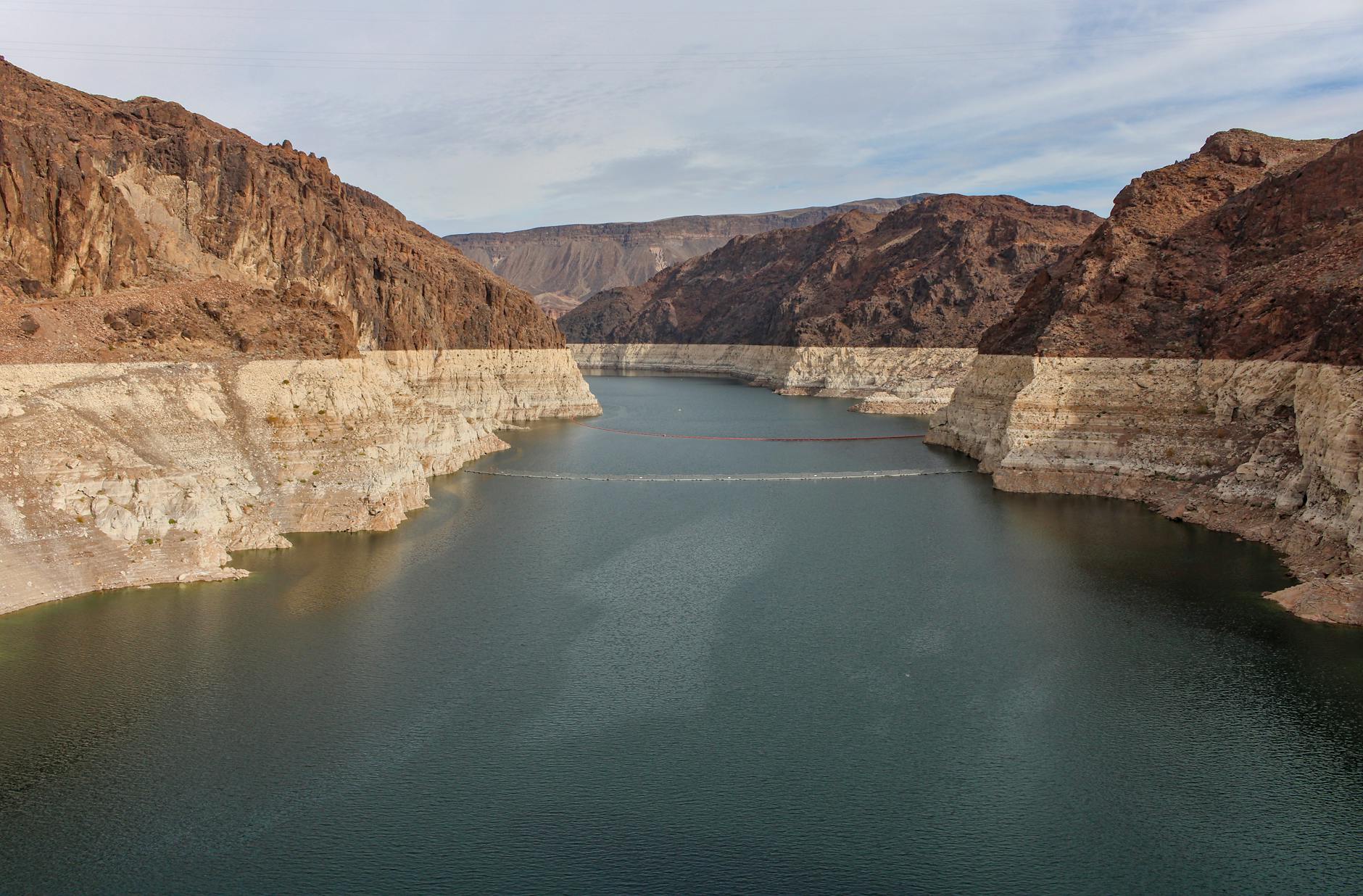
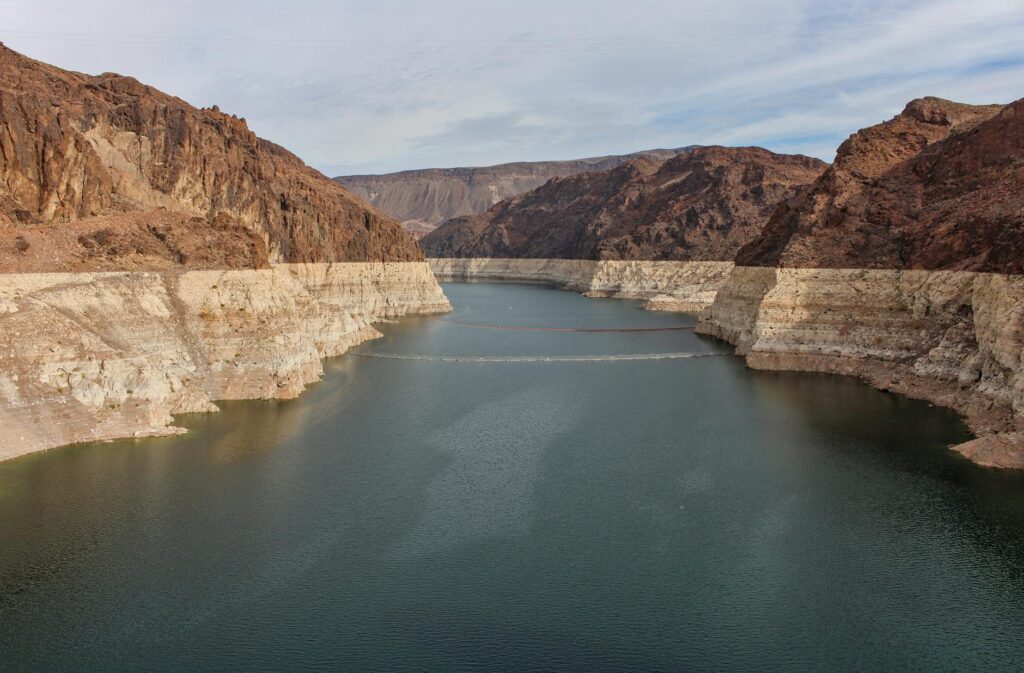
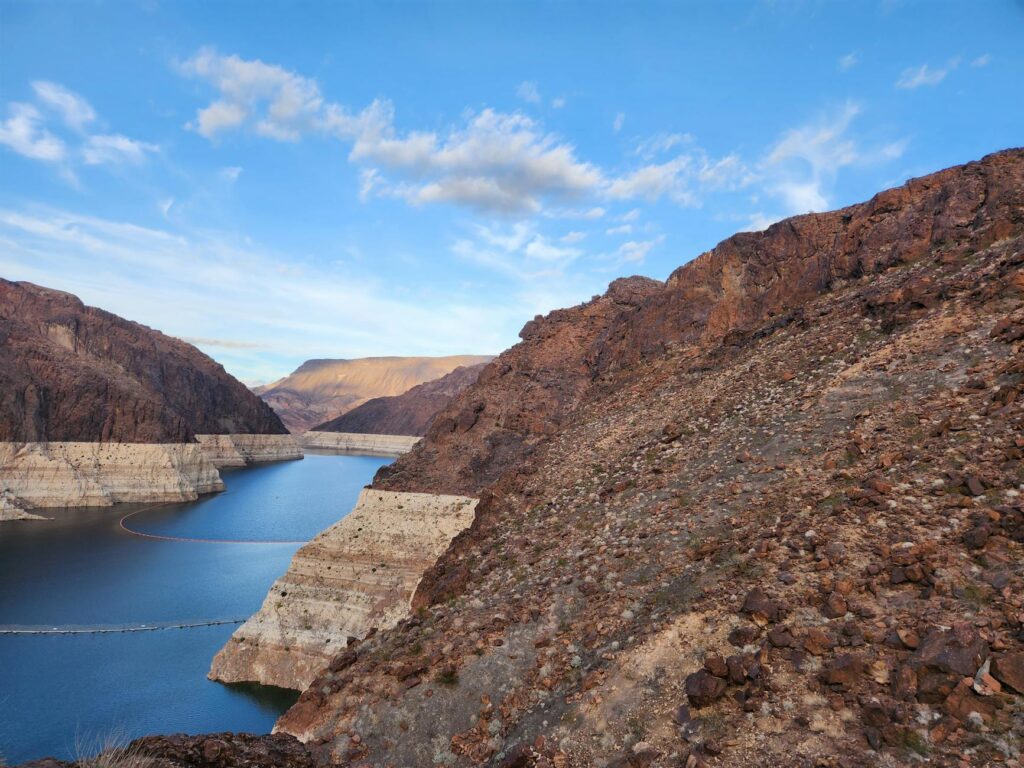
Nevada is facing a critical water crisis, with its water resources dwindling alarmingly. The state’s population has surged to over 3 million residents, yet its water supply is primarily derived from the Colorado River, which has been experiencing significant depletion. Reports indicate that Lake Mead, one of the largest reservoirs, has seen its water levels drop by nearly 60% since the year 2000 source. This alarming decline not only underscores the Paul water crisis in Nevada but also highlights the broader Nevada water issues that threaten agriculture, daily living, and the economy.
The agricultural sector, which relies heavily on irrigation, accounts for about 80% of Nevada’s water usage. As farmers face increasing restrictions on water use, crop yields are expected to decline. According to the Nevada Department of Agriculture, the impacts of this crisis could escalate food prices and reduce availability, affecting both local and state economies.
The Impact of Climate Change on Water Resources
Climate change is exacerbating the Paul water crisis in Nevada, leading to unpredictable weather patterns and prolonged droughts. The National Oceanic and Atmospheric Administration (NOAA) reports that Nevada has seen an increase in average temperatures of about 2°F over the past century, contributing to reduced snowpack and earlier snowmelt source. These climatic shifts threaten to diminish already limited water supplies.
Moreover, the Paul environmental policy initiatives aim to address these challenges by promoting sustainable water solutions. By implementing conservation programs and encouraging the use of advanced irrigation techniques, Nevada can mitigate the impacts of climate change and preserve its valuable water resources. However, collective action from both policymakers and citizens is essential for these strategies to succeed.
As the state navigates these challenges, it becomes increasingly important to focus on sustainable practices that can help alleviate the ongoing water crisis. Exploring these solutions will be critical for the future of Nevada‘s water security.
Paul’s Vision for Addressing Nevada’s Water Crisis
Overview of Paul Environmental Policy Initiatives
In the face of the escalating Paul water crisis Nevada is experiencing, Paul has laid out a comprehensive environmental policy aimed at creating sustainable water solutions. His strategy includes a mix of innovative legislation and practical initiatives designed to tackle the pressing Nevada water issues effectively. One key proposal is the implementation of a state-wide water efficiency program that encourages both residential and commercial entities to adopt water-saving technologies. This program would provide financial incentives for installing water-efficient appliances and fixtures, ultimately reducing consumption.
Furthermore, Paul advocates for enhanced investment in water recycling and desalination technologies, which can provide alternative sources of water for the arid state. By backing research and development initiatives, Paul aims to foster a culture of innovation that leads to long-term, sustainable solutions for Nevada’s water needs. You can view more details about these initiatives in his official policy documents energy shortages and water supply issues in Nevada.
Community Engagement and Public Awareness in the Paul Water Crisis Nevada
Recognizing that policy alone is not enough, Paul emphasizes the importance of community engagement and public awareness campaigns. He believes that informing residents about water conservation techniques and the significance of sustainable practices is crucial in addressing the Nevada water issues. Paul plans to launch educational programs in schools and community centers, focusing on hands-on activities that highlight the importance of water conservation.
Moreover, public awareness campaigns will leverage social media and local media outlets to disseminate information about ongoing initiatives and encourage participation. The goal is to create a collective mindset that prioritizes water sustainability. By fostering a sense of ownership and responsibility among Nevadans, Paul aims to ensure that his environmental policies are not just top-down mandates but rather community-driven efforts. More about these community initiatives can be found in his campaign materials Nevada energy policy and water conservation connection.

Sustainable Water Solutions Proposed by Paul
Innovative Technologies for Water Conservation in the Paul Water Crisis Nevada
To tackle the pressing Nevada water issues, Paul emphasizes the need for innovative technologies that enhance water conservation. One of the standout solutions he proposes is the implementation of advanced irrigation techniques, such as drip irrigation and smart controllers, that optimize water usage in agriculture. These methods allow farmers to deliver water directly to the plant’s roots, significantly reducing evaporation and runoff. According to a report by the USDA, adopting such technologies can lead to water savings of up to 50% in some cases.
Additionally, Paul advocates for large-scale water recycling programs. By treating wastewater and reusing it for irrigation and industrial processes, Nevada could alleviate some of the stress on its freshwater sources. A successful case study from Los Angeles showcases how water recycling initiatives not only conserve resources but also provide a reliable supply of water during droughts.
Partnerships with Local Organizations and Stakeholders
To effectively implement these sustainable water solutions, Paul emphasizes the importance of forming partnerships with local organizations, NGOs, and various stakeholders. Collaborating with community groups can amplify outreach efforts and ensure that water conservation practices are adopted widely. For instance, partnerships with organizations like the Nevada Water Resources Association can help facilitate workshops and educational programs aimed at teaching residents about water-efficient practices.
Paul’s approach aligns with his broader environmental policy, which seeks not only to address the immediate challenges posed by the water crisis but also to cultivate a culture of sustainability. By learning from successful initiatives in other states, such as Arizona’s water conservation programs, Nevada can adapt and tailor these strategies to fit its unique landscape and needs. With cooperative efforts, the potential for long-term water sustainability in Nevada becomes increasingly attainable.
The Role of Policy in Mitigating Nevada Water Issues
Legislative Changes to Support Water Management in the Paul Water Crisis Nevada Context
The ongoing Paul water crisis in Nevada has highlighted the urgent need for robust legislative changes aimed at improving water management practices. Lawmakers have begun to recognize that effective policies are essential for addressing Nevada water issues, which include dwindling water supplies and increasing demand. New legislation, such as the Nevada Water Authority Act, aims to streamline water rights allocations and promote the responsible use of water resources.
Moreover, the focus on Paul environmental policy encourages sustainable practices such as water conservation, recycling, and innovative irrigation techniques, which can be game-changers for communities facing water scarcity. Policymakers are urged to adopt a collaborative approach involving stakeholders across various sectors, including agriculture, urban development, and environmental advocacy, to create a comprehensive water management framework.
Funding and Resources for Sustainable Water Solutions
To implement these legislative changes effectively, securing funding is paramount. Both state and federal programs, such as the USDA’s Water Management program, offer financial resources for projects aimed at sustainable water solutions. Local governments and organizations can apply for grants to enhance infrastructure, promote efficient water use, and fund educational initiatives that inform residents about conservation practices.
Additionally, the EPA’s Clean Water State Revolving Fund provides low-interest loans for projects that improve water quality and infrastructure, making it a valuable resource for Nevada communities grappling with water challenges. By tapping into these funding opportunities, Nevada can take significant steps toward mitigating the ongoing water crisis.
Ultimately, a combination of legislative support and accessible funding can pave the way for innovative solutions to Nevada’s water issues, helping to ensure that residents have access to this vital resource for years to come. As the state continues to confront the Paul water crisis, proactive policy measures will be indispensable in steering Nevada towards a sustainable water future.
Actionable Steps for Residents to Contribute
How Individuals Can Save Water
The Paul water crisis Nevada highlights the urgent need for residents to adopt sustainable practices to conserve water. Here are some practical steps you can take:
- Reduce Outdoor Watering: Opt for drought-resistant plants in your garden. Native plants often require less water and maintenance. Consider xeriscaping to minimize irrigation needs.
- Install Water-Efficient Fixtures: Upgrade to low-flow faucets, showerheads, and toilets. These fixtures can significantly reduce your water usage without sacrificing performance. Look for the EPA WaterSense label.
- Fix Leaks Promptly: A dripping faucet or leaking toilet can waste gallons of water per day. Regularly check your plumbing and fix leaks as soon as possible.
- Limit Showers and Baths: Aim to take shorter showers and consider taking baths less frequently. A shower timer can help you keep track.
- Use Appliances Wisely: Run dishwashers and washing machines only with full loads. This maximizes efficiency and minimizes water use.
By implementing these small changes, you can contribute to mitigating the Nevada water issues that have become increasingly severe.
Getting Involved in Local Water Advocacy
Grassroots movements play a crucial role in addressing the Paul water crisis Nevada. Here’s how you can get involved:
- Join Local Organizations: Connect with groups like the Nevada Water Resources Association or the Nevada Democratic Party, which advocate for sustainable water solutions and policies.
- Attend Community Meetings: Participate in local government meetings where water management is discussed. Your input can help shape Paul environmental policy in the community.
- Advocate for Policy Changes: Support initiatives that promote water conservation and sustainable practices. Encourage local representatives to prioritize water issues in policymaking.
- Volunteer for Clean-Up Events: Many organizations host events to clean up local waterways. Volunteering helps maintain the ecosystem and promotes awareness about water conservation.
By getting involved, you can help drive meaningful change and contribute to sustainable water solutions. Together, we can address the pressing challenges related to Nevada’s water issues.
Conclusion: A Collective Approach to Water Sustainability
Tackling the Paul water crisis Nevada requires a united front. The complexities surrounding Nevada water issues, ranging from dwindling aquifers to the impacts of climate change, demand collaborative solutions that transcend individual efforts. Paul’s commitment to sustainable water solutions is a beacon of hope, emphasizing that community involvement is vital in addressing these pressing challenges.
Addressing the Paul Water Crisis in Nevada Together
Paul environmental policy advocates for inclusive strategies that engage local communities, businesses, and government agencies. By prioritizing education and awareness, we can empower Nevadans to make informed decisions about their water usage and conservation practices. Whether it’s through community workshops, school programs, or public forums, fostering a culture of sustainability is essential.
Our path forward involves actionable steps that can be taken at both the individual and collective levels. Simple actions like reducing water waste, participating in local conservation programs, and advocating for sustainable policies can make a significant difference. As we work together, we can drive meaningful change, ensuring that Nevada’s water resources are preserved for future generations.
Staying informed about the ongoing developments related to Nevada’s water crisis is crucial. Subscribing to local news outlets, engaging in community discussions, and supporting advocacy groups that focus on water sustainability can help keep the momentum going. Together, we can create a lasting impact and pave the way for a sustainable future.
Let’s unite in our efforts to address the water crisis in Nevada, ensuring a resilient and sustainable future for everyone. Your involvement matters, every action counts.
public awareness of energy shortages in NevadaAddressing the Paul water crisis Nevada requires a multi-faceted approach, intertwining innovative policies and community cooperation. By leveraging sustainable water solutions, such as advanced irrigation techniques and rainwater harvesting, we can tackle the pressing Nevada water issues head-on. Paul’s environmental policy emphasizes these strategies, demonstrating that proactive measures can yield lasting benefits for both residents and the ecosystem.
As Nevada faces an uncertain water future, it’s crucial for each of us to engage in conversations about conservation and responsible water usage. Staying informed and supporting initiatives that promote sustainable practices can create a ripple effect throughout the community. Let’s take this opportunity to explore how we can contribute to a more resilient water system and advocate for policies that prioritize our precious water resources.
“`html
What are the main causes of the water crisis in Nevada?
The water crisis in Nevada is primarily driven by prolonged drought conditions, over-extraction of groundwater, and increasing demand from a growing population and agriculture. Climate change has intensified these issues, reducing snowpack and altering precipitation patterns. As a result, the state’s natural water sources are not sufficient to meet the needs of residents and industries, leading to significant challenges in water management.
How is Paul addressing water issues in Nevada?
Paul is actively addressing the water issues in Nevada by advocating for comprehensive water management reforms and investment in infrastructure. He emphasizes the need for sustainable practices that include water recycling and conservation. His approach involves collaboration with local governments and stakeholders to implement policies that prioritize efficient water use and protection of existing water resources, aiming to mitigate the impacts of the ongoing Paul water crisis Nevada.
What sustainable water solutions are proposed in Nevada?
Proposed sustainable water solutions in Nevada include implementing advanced water recycling technologies, rainwater harvesting systems, and the restoration of natural ecosystems that enhance water retention. Additionally, the promotion of drought-tolerant landscaping and smart irrigation practices are part of the strategy to reduce overall water usage. These initiatives aim to create a resilient water supply that can withstand the pressures of climate change and population growth.
How can residents participate in water conservation efforts?
Residents can participate in water conservation efforts by adopting water-saving habits such as fixing leaks, using water-efficient appliances, and minimizing water use for landscaping. Joining local conservation programs and attending workshops on sustainable practices can also help. Communities can engage in initiatives that promote awareness and share resources, making collective efforts more impactful in addressing Nevada water issues.
What is Paul’s environmental policy focus regarding water?
Paul’s environmental policy focus regarding water includes promoting sustainable water management practices that prioritize conservation and efficiency. He advocates for policies that integrate technological innovations, such as smart water systems and sustainable agriculture practices. His aim is to create a long-term framework that addresses the challenges posed by climate change and ensures equitable access to water for all Nevadans.
Are there any local organizations involved in Nevada’s water crisis?
Yes, several local organizations are actively involved in addressing Nevada’s water crisis. Groups like the Nevada Conservation League and the Great Basin Water Network work to advocate for sustainable water policies and raise public awareness. Collaborations with academic institutions and environmental groups also play a crucial role in developing innovative solutions to manage water resources more effectively in the state.
“`