Paul For Nevada renewable energy policy is reshaping the landscape of sustainable energy in the Silver State. As Nevada gears up for its ambitious goals for renewable energy by 2026, understanding the framework and vision behind these policies is crucial. This article delves into the key elements of Paul For Nevada’s renewable energy policies, exploring how they aim to promote clean energy solutions while ensuring economic growth and community benefits. We’ll discuss the roadmap to achieving Nevada’s renewable energy 2026 targets, highlighting strategies that not only address climate concerns but also spur job creation and community engagement. Additionally, we will examine the broader implications of these energy policies in Nevada, shedding light on how they align with national trends towards sustainability. Whether you’re a policymaker, resident, or simply interested in the future of energy, this comprehensive overview will provide valuable insights into the ongoing transition to sustainable energy in Nevada. For more information about the state’s renewable initiatives, check out Nevada’s Energy Department and National Renewable Energy Laboratory.
Understanding Paul For Nevada Renewable Energy Policy
As Nevada continues to navigate the challenges of climate change and energy sustainability, Paul For Nevada emerges as a leading advocate for progressive renewable energy solutions. His commitment to the Paul For Nevada renewable energy policy reflects a vision that emphasizes both environmental responsibility and economic growth, making him a pivotal figure in shaping the future of energy in the state.
What is Paul For Nevada’s Vision for Renewable Energy?
Paul’s approach to renewable energy is multifaceted, focusing on increasing the state’s reliance on sustainable energy sources such as solar, wind, and geothermal power. The goal is to align with the broader initiative of achieving Nevada renewable energy 2026, which aims for a more sustainable and resilient energy infrastructure. This vision not only seeks to reduce the carbon footprint but also to create thousands of jobs in the renewable energy sector, promoting economic stability.
Through innovative energy policies, Nevada can harness its abundant natural resources to foster a cleaner environment. Paul advocates for policies that incentivize investment in renewable technologies, ensuring that Nevada remains a leader in the clean energy revolution. His policies aim to create a robust framework that encourages businesses and households to transition towards more sustainable energy practices.
Why Renewable Energy Matters for Nevada
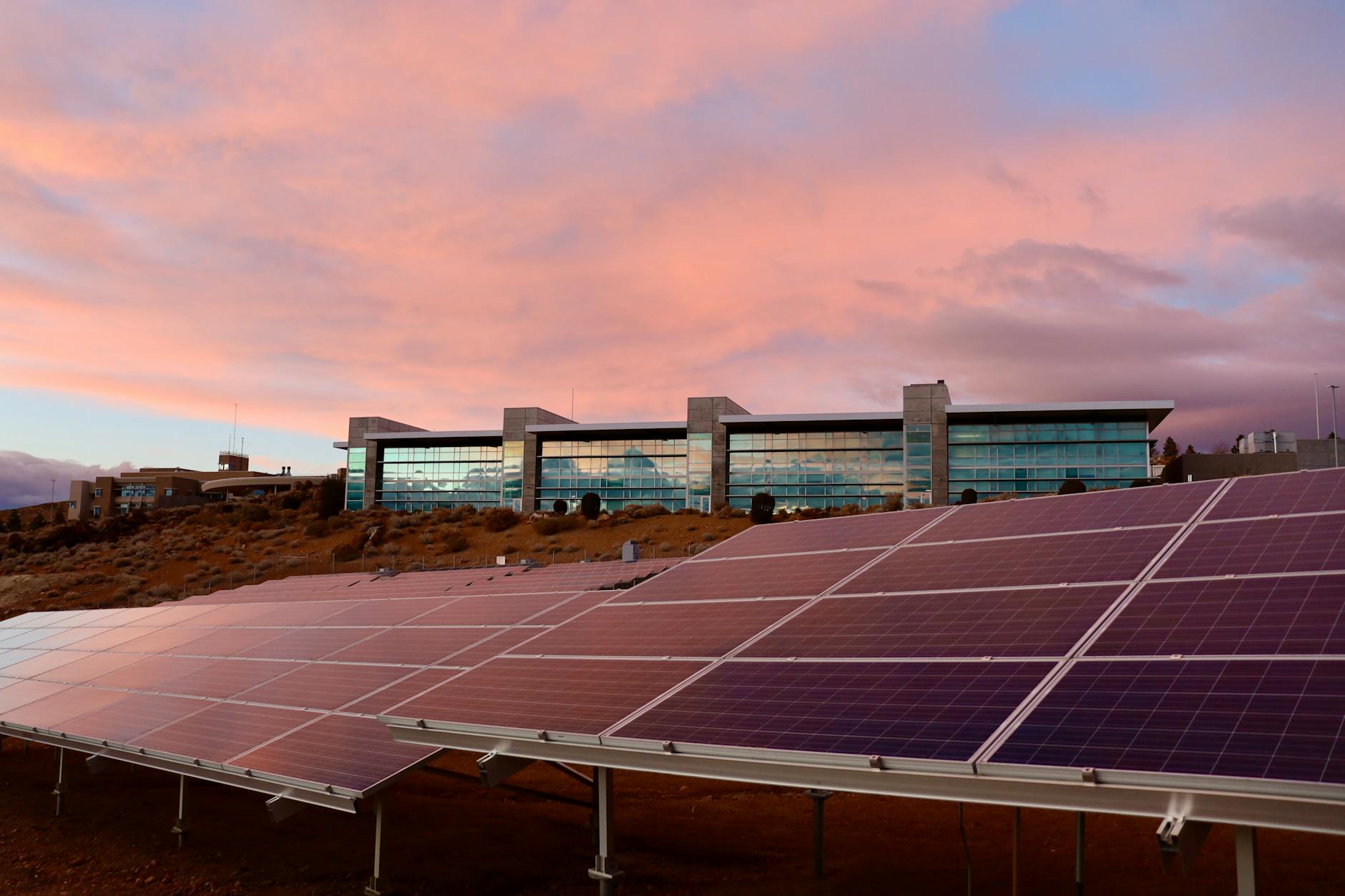
Renewable energy is crucial for Nevada due to its significant environmental and economic impacts. The state is known for its sunny climate, making it ideal for solar energy production. By tapping into these resources, Nevada can reduce its reliance on fossil fuels, which are not only harmful to the environment but also subject to volatile market fluctuations. As we approach energy policies Nevada must adapt to the changing global landscape, embracing sustainable options is imperative for both ecological preservation and economic resilience.
Furthermore, the transition to renewable energy sources can help combat the effects of climate change, which poses a direct threat to Nevada’s natural beauty and tourism industry. With Paul For Nevada at the forefront, the push for cleaner energy can lead to a healthier environment and a more sustainable future.
Through policies that promote sustainable energy practices, Paul is not only addressing current energy needs but also ensuring that Nevada’s future generations will benefit from a cleaner, more sustainable energy landscape. By supporting the Paul For Nevada renewable energy policy, citizens can contribute to a vision that prioritizes the health of the planet and the prosperity of the state.
For more information on how you can get involved in supporting renewable energy initiatives, check out Paul For Nevada’s Renewable Energy Initiatives Explained.
Key Elements of Paul For Nevada’s Renewable Energy Policies
Sustainable Energy Paul Advocates
Paul for Nevada has laid out a comprehensive vision aimed at accelerating the state’s transition to sustainable energy. A key component of his renewable energy policy includes expanding solar energy initiatives. Nevada is already a leader in solar capacity, and Paul proposes to enhance this by providing incentives for residential solar installations and community solar projects. This approach not only empowers homeowners but also makes solar energy more accessible to low-income families.
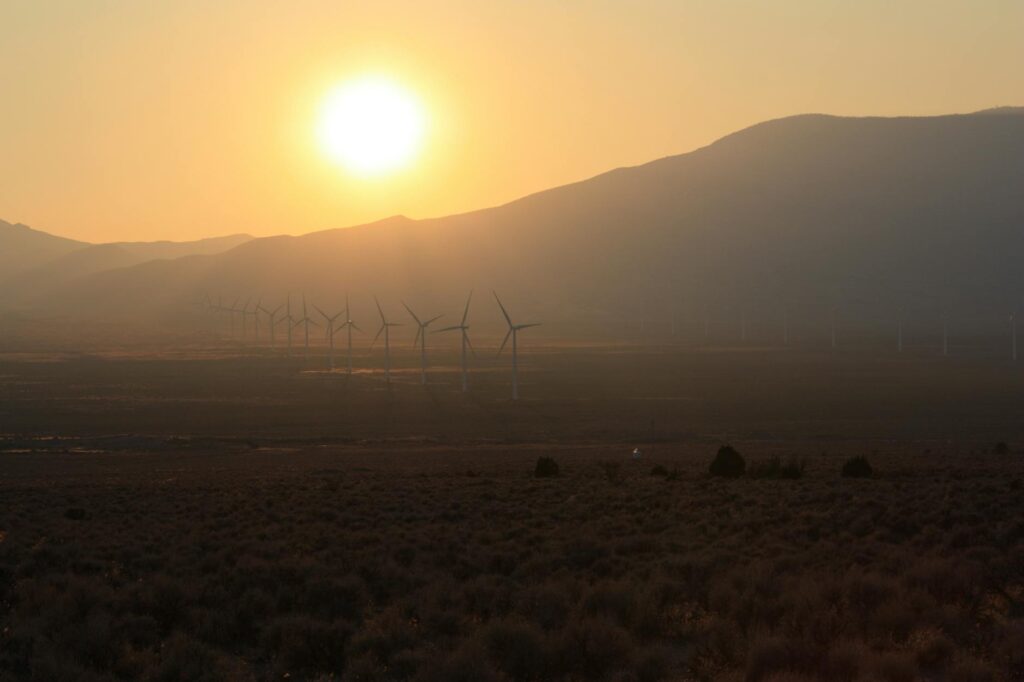
Wind energy is another focal point of Paul’s policies. He advocates for the development of new wind farms in suitable areas across the state, which could significantly increase Nevada’s renewable energy output. By utilizing advanced technologies and innovative financing options, Paul aims to attract investments that will boost job creation in the renewable sector.
In addition, Paul emphasizes the importance of incorporating other renewable sources like geothermal and biomass into Nevada’s energy mix. He argues that diversifying renewable energy sources can make the state less reliant on fossil fuels and enhance energy security during peak demand periods.
Impact on Energy Policies in Nevada and the Future Outlook
The Paul For Nevada renewable energy policy aligns closely with broader energy policies in Nevada, which target 50% renewable energy by 2030. His initiatives could set the stage for even more ambitious goals, possibly aiming for a 100% clean energy future by 2050. With a focus on Nevada renewable energy 2026, these policies are not just aspirational; they are actionable steps towards a sustainable future.
Furthermore, these policies are poised to position Nevada as a model for other states. By prioritizing renewable energy development, Paul’s framework could lead to significant economic growth. According to a report from NRDC, transitioning to renewable energy could create thousands of jobs and stimulate local economies.
Overall, Paul’s proposals underscore a commitment to fostering a sustainable energy ecosystem in Nevada that benefits both the environment and its residents. For those interested in the future of energy in the state, the implications of these policies are worth watching closely.
For more on Nevada’s renewable energy landscape and how these policies could evolve, check out our detailed analysis Renewable Energy Solutions to Combat Nevada’s Energy Shortages.
The Road to Nevada Renewable Energy 2026
Goals for Renewable Energy by 2026
Nevada has set ambitious goals for renewable energy by 2026, aiming to achieve 50% of its energy from renewable sources. This is a critical step towards a more sustainable future, aligning with the vision outlined in Paul For Nevada renewable energy policy. By focusing on solar, wind, and other renewable technologies, the state plans to reduce its carbon footprint and foster economic growth through green jobs.
One of the main objectives is to increase the capacity of renewable energy installations significantly. As of 2023, Nevada has already made strides, with over 25% of its energy coming from renewable sources, primarily solar power. The state’s abundant sunshine makes it a prime candidate for solar energy development, which is expected to expand rapidly in the coming years. Additionally, the push towards energy storage solutions will help balance supply and demand, ensuring reliability even during peak usage times.
To support these goals, sustainable energy Paul emphasizes the need for robust energy policies Nevada can adopt to streamline permitting processes and incentivize investments in renewable technologies. By fostering partnerships between the government, private sector, and local communities, Nevada aims to create a cohesive strategy that promotes sustainable energy practices.
Progress and Challenges Ahead in Paul For Nevada Renewable Energy Policy
While Nevada is on the right track, there are significant challenges to address. One major hurdle is the aging infrastructure that needs upgrades to accommodate increased renewable energy sources. The transition from traditional energy sources to renewables requires substantial investments in grid modernization, which can be cost-prohibitive without adequate funding and policy support.
Moreover, public awareness and acceptance of renewable energy initiatives are crucial. Engaging communities in the transition and ensuring equitable access to renewable energy benefits will be key to overcoming resistance to change. As Nevada works towards its Nevada renewable energy 2026 goals, continuous outreach and education will play a pivotal role in fostering a culture of sustainability.
the roadmap to achieving these ambitious renewable energy goals is set, but it requires concerted efforts from all stakeholders involved. By tackling infrastructure challenges and enhancing public engagement, Nevada can pave the way for a brighter, cleaner future powered by renewable energy.

Community and Economic Benefits of Renewable Energy
As Nevada moves towards a more sustainable future, adopting the Paul For Nevada renewable energy policy presents significant community and economic advantages. The transition to renewable energy sources not only addresses environmental concerns but also offers opportunities for local job creation and long-term financial savings for residents and businesses.
Job Creation in the Renewable Sector
The renewable energy sector is proving to be a robust engine for job creation in Nevada. According to the Solar Energy Industries Association, the state has seen a dramatic increase in solar jobs, with thousands of new positions added in recent years. With the goal of expanding renewable energy capacity by 2026, as outlined in the Nevada Renewable Energy 2026 framework, this trend is expected to continue.
Jobs in solar, wind, and other renewable sectors range from installation to maintenance, research and development, and project management. These positions not only provide employment opportunities but also stimulate local economies. When individuals are employed in well-paying jobs, they spend their income on goods and services, further boosting community development.
Long-term Economic Gains of the Paul For Nevada Renewable Energy Policy
The financial benefits of renewable energy extend beyond job creation. By investing in sustainable energy, Paul For Nevada’s renewable energy policy aims to reduce energy costs for consumers and businesses alike. For instance, renewable energy sources like solar and wind have become increasingly cost-effective, leading to lower electricity bills over time.
Furthermore, as energy policies in Nevada continue to evolve, residents can expect long-term savings as they transition to cleaner energy sources. According to a report from the National Renewable Energy Laboratory, the levelized cost of energy (LCOE) for renewables has dropped significantly, making them an economically viable choice compared to traditional fossil fuels.
Ultimately, the shift towards renewable energy supports not just environmental sustainability but also the economic resilience of Nevada’s communities. By embracing the Paul For Nevada renewable energy policy, we can create a greener, more prosperous future for generations to come.

Conclusion: The Future of Renewable Energy in Nevada
As we look ahead, the vision laid out by the Paul For Nevada renewable energy policy represents a significant step toward a sustainable and prosperous future for the state. By prioritizing renewable energy sources, Nevada can not only reduce its carbon footprint but also create jobs and boost its economy. With ambitious targets set for Nevada renewable energy 2026, the time for action is now.
How Residents Can Get Involved
Engagement from residents is crucial for the success of renewable energy initiatives. Here are some actionable steps you can take:
- Participate in Local Programs: Get involved in community solar projects or local energy cooperatives that promote sustainable energy Paul initiatives.
- Advocate for Policy Changes: Connect with local advocacy groups that support the energy policies Nevada needs to transition to renewable sources.
- Educate Yourself and Others: Share information about renewable energy benefits and the importance of policies like the Paul For Nevada renewable energy policy with friends and family.
- Utilize Renewable Energy Resources: If possible, install solar panels or support green energy options from your utility provider.
Staying Informed on Energy Policies in Nevada
Knowledge is power, especially when it comes to understanding the evolving landscape of energy policies in Nevada. Here are some ways to stay informed:
- Follow Local News Sources: Keep an eye on reputable news outlets that cover energy developments and legislation affecting renewable energy in Nevada.
- Engage with State Resources: Visit the Nevada Energy website for updates on state energy initiatives and upcoming legislation.
- Join Online Forums: Connect with like-minded individuals through social media groups or forums dedicated to renewable energy discussions.
By actively participating and staying informed, residents can contribute to the success of renewable energy policies, ensuring a brighter and more sustainable future for Nevada. As we move toward 2026 and beyond, let’s work together to make renewable energy a cornerstone of our state’s identity.

The vision behind the Paul For Nevada renewable energy policy is about more than just providing energy; it’s about creating a sustainable future for all Nevadans. By focusing on ambitious goals for Nevada renewable energy 2026, this policy aims to reduce reliance on fossil fuels and foster an environment where sustainable energy can thrive. With a commitment to innovative energy solutions, Paul is paving the way for a cleaner, greener Nevada.
As we look ahead, it’s clear that understanding and supporting these energy policies Nevada is crucial for making informed decisions about our energy future. If you’re passionate about sustainable energy, Paul’s initiatives offer a roadmap to enhance our state’s renewable landscape. Stay engaged by following local developments and advocating for policies that promote a sustainable energy future. Your voice can make a difference in shaping the Nevada we all want to see.
“`html
What is Paul For Nevada’s stance on renewable energy?
Paul For Nevada supports a robust renewable energy policy aimed at transitioning the state towards sustainable energy solutions. The organization emphasizes the importance of investing in clean energy sources to reduce dependence on fossil fuels and combat climate change. Their stance advocates for a comprehensive approach that prioritizes environmental protection while fostering economic growth through green jobs.
How does the renewable energy policy affect Nevada residents?
The renewable energy policy positively impacts Nevada residents by promoting cleaner air and reducing energy costs in the long term. By investing in renewable sources, residents can benefit from more stable energy prices and job creation in the green sector. Additionally, these policies aim to enhance energy independence and resilience against climate-related disruptions, ultimately improving the quality of life for all Nevadans.
What are the goals for renewable energy in Nevada by 2026?
By 2026, Nevada aims to achieve a significant increase in its renewable energy output, with goals set at 50% of the state’s electricity coming from renewable sources. This ambitious target reflects the commitment to the Nevada renewable energy 2026 initiative, which seeks to position the state as a leader in clean energy innovation and sustainability. Achieving these goals is essential for reducing greenhouse gas emissions and fostering economic development.
What types of renewable energy does Paul advocate for?
Paul advocates for a diverse range of renewable energy sources, including solar, wind, geothermal, and hydroelectric power. In particular, the organization emphasizes the potential of solar energy, given Nevada’s abundant sunlight, and seeks to harness wind energy in suitable locations across the state. This multi-faceted approach ensures a balanced energy portfolio that can meet the needs of Nevada’s residents while prioritizing sustainability.
How can I support sustainable energy initiatives in Nevada?
You can support sustainable energy initiatives in Nevada by becoming involved with local advocacy groups, such as Paul For Nevada. Participate in community events, volunteer for campaigns, and spread awareness about the importance of renewable energy. Additionally, consider adopting energy-efficient practices in your home and supporting businesses that prioritize sustainability. Engaging with policymakers and voting for pro-renewable candidates can also drive meaningful change.
What challenges does Nevada face in implementing renewable energy policies?
Nevada faces several challenges in implementing renewable energy policies, including regulatory hurdles, infrastructure limitations, and funding constraints. The transition to renewable energy requires significant investment in technology and grid improvements to accommodate new energy sources. Additionally, public awareness and support for these initiatives can vary, which can hinder progress. Addressing these challenges is crucial for the successful adoption of energy policies in Nevada.
“`