

Nevada government energy policies play a crucial role in shaping the state’s energy landscape, especially as the region grapples with an ongoing energy crisis. As demand for energy surges and environmental concerns grow, understanding these policies has never been more important. This article will dive into the intricacies of energy regulations in Nevada, evaluating the current state energy strategy and the implications of recent Nevada energy legislation. We’ll also explore critiques of these policies, highlighting both their strengths and weaknesses. Finally, we’ll consider future directions for Nevada’s energy policies, examining what changes might be necessary to ensure a sustainable and reliable energy future. Join us as we unpack the complexities of energy governance in the Silver State and how it impacts residents and businesses alike. For further reading on this topic, check out the Nevada Energy website and the U.S. Department of Energy.
Understanding Nevada Government Energy Policies
The Current Energy Landscape in Nevada
Nevada is facing an energy crisis that has become increasingly evident in recent years. With a growing population and rapid economic development, the demand for energy is surging, leading to power shortages and increased utility costs. The state’s energy landscape is characterized by a heavy reliance on both renewable and non-renewable sources, yet it struggles to maintain a stable supply. This scenario is exacerbated by climate change, which has intensified drought conditions and reduced hydropower availability, a significant energy source for the state. The crux of the crisis lies in the effectiveness of Nevada government energy policies, which have a profound impact on how we produce and consume energy.
Impact of Nevada Government Energy Policies
Nevada government energy policies play a crucial role in shaping the state’s response to its energy crisis. The Nevada Energy Legislation has evolved to include ambitious goals for renewable energy adoption, aiming for 50% renewable energy by 2030. However, these policies often face challenges due to the slow rollout of infrastructure improvements and regulatory bottlenecks. For instance, the ongoing energy regulations in Nevada can limit the ability of utilities to quickly adapt to changing energy demands or invest in new technologies.
Despite these hurdles, there is a silver lining. The state energy strategy aims to diversify energy sources and increase efficiency, fostering a more resilient energy grid. However, the implementation of this strategy relies heavily on the collaboration of various stakeholders, including utility companies, policymakers, and consumers. The challenge remains in balancing these interests while pushing forward with necessary reforms.
Moreover, critics argue that current Nevada government energy policies do not fully address the underlying issues driving the energy crisis. For example, the focus on renewable energy targets must be matched with investments in energy storage and grid modernization. Without these critical components, Nevada risks falling short of its energy goals, which could lead to further instability in supply and rising energy prices for consumers.
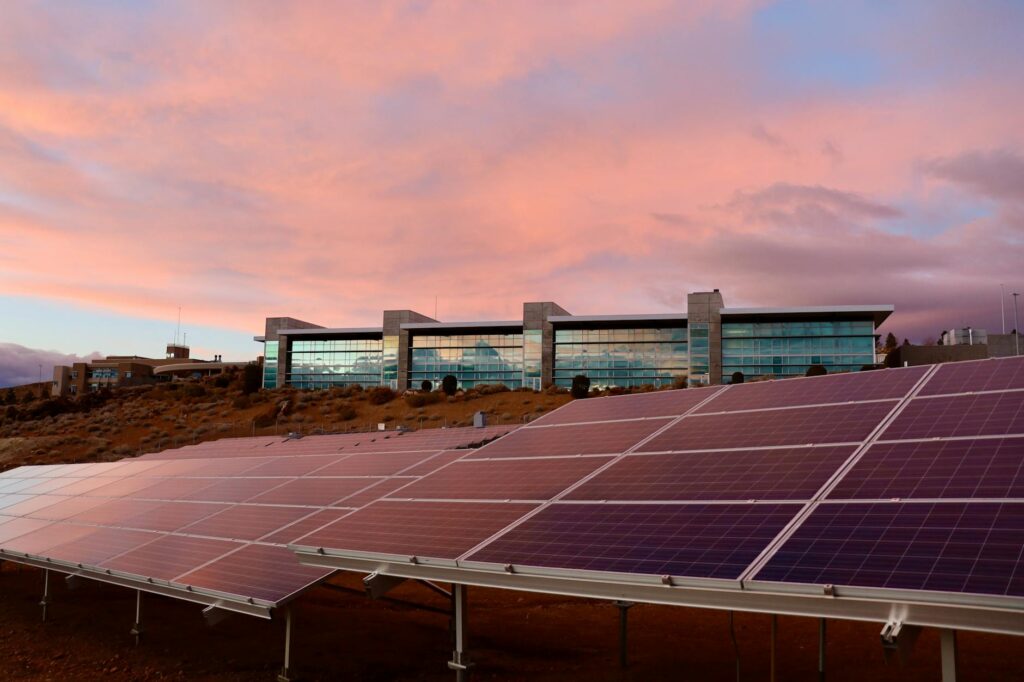
To sum up, while Nevada government energy policies are designed to guide the state toward a more sustainable energy future, the current energy crisis underscores the need for comprehensive reforms and strategic planning. By addressing gaps in energy regulations and fostering innovation, Nevada can pave the way for a more secure and resilient energy landscape.
Evaluating the State Energy Strategy in Nevada
Nevada Government Energy Policies: A Double-Edged Sword
Nevada’s energy landscape is shaped significantly by its government policies, which aim to address the pressing energy crisis while promoting sustainability. The state energy strategy is designed to balance economic growth with environmental responsibility, but the effectiveness of these Nevada government energy policies remains a topic of debate. On one hand, these policies have facilitated the growth of renewable energy sources; on the other, they have been criticized for not adequately addressing the immediate energy needs of its residents.
Legislative Framework and Its Consequences
The framework of Nevada energy legislation has evolved over the years, particularly with initiatives aimed at increasing renewable energy production. For instance, Nevada’s mandate to achieve 50% of its energy from renewable sources by 2030 is a commendable goal. However, this ambitious target raises concerns about the feasibility and the economic implications of such a shift. The push for renewable energy has led to increased investments in solar and wind projects, contributing to job creation in these sectors. Yet, critics argue that this shift may come at the expense of traditional energy sectors, potentially leading to job losses and economic disruption.
Moreover, the energy regulations in Nevada have created a complex environment for utility companies. The restructuring of the energy market has had mixed results. While it has opened doors for competition and innovation, it has also led to uncertainty among investors, who may be wary of fluctuating policies and regulations. This uncertainty can deter long-term investments necessary for stabilizing the energy supply in the state.
Balancing Economic Growth and Sustainability
One of the critical challenges facing Nevada’s energy strategy is finding the right balance between economic growth and environmental sustainability. The state has made strides with its ambitious renewable energy goals, but the ongoing energy crisis requires immediate solutions that may not align with long-term sustainability goals. For example, the recent push for electric vehicle infrastructure aligns with sustainability efforts, but it also necessitates a reliable and robust energy supply to support the increasing demand.
As Nevada continues to navigate these challenges, it must prioritize policies that not only bolster renewable energy but also ensure the reliability and affordability of its energy supply. The state energy strategy should evolve to reflect the dynamic needs of its residents, ensuring that progress in sustainability does not hinder economic stability.
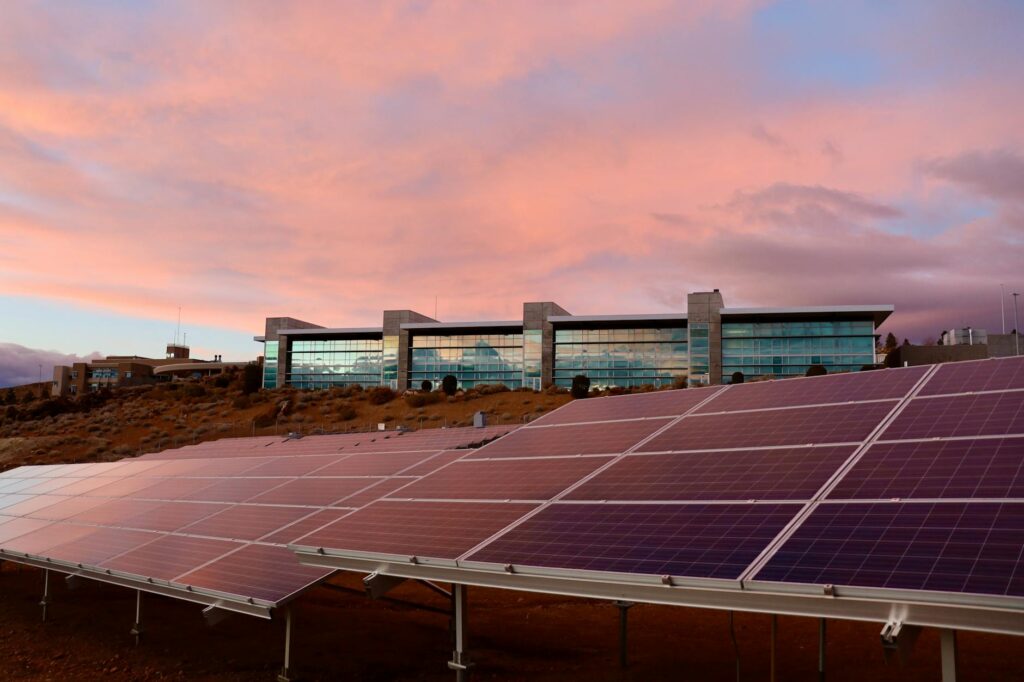
Ultimately, the success of Nevada’s energy policies hinges on the ability to harmonize the dual goals of economic growth and environmental stewardship. Without thoughtful adjustments to the current legislative framework, the state risks falling short in its quest to provide a sustainable and reliable energy future.
Critiques of Nevada Energy Legislation
Nevada’s energy landscape has undergone significant changes in recent years, largely driven by government policies aimed at addressing the state’s energy crisis. While the intention behind these Nevada government energy policies is commendable, they are not without their flaws. The shortcomings of current policies raise questions about their effectiveness and the potential unintended consequences that could arise.
Shortcomings of Current Policies
One of the primary critiques of existing Nevada energy legislation is that it often prioritizes short-term goals over long-term sustainability. For instance, the push for renewable energy sources, while crucial for reducing carbon emissions, has led to a surge in costs for consumers. As utilities scramble to meet ambitious renewable targets, the burden often falls on the average resident, who may find their electricity bills rising significantly. Reports indicate that Nevada has seen some of the highest rates for residential energy in the nation due to regulatory pressures and a lack of comprehensive planning.
Moreover, the regulatory framework can stifle innovation. The current energy regulations in Nevada often favor established players in the renewable sector while making it challenging for new entrants to compete. This lack of competition can lead to stagnation in technological advances and a failure to fully harness the potential of emerging energy solutions. The state’s energy strategy needs to embrace a more inclusive approach, one that encourages a diverse range of solutions rather than narrowing the focus to a few favored options.

Counterarguments: Economic Benefits of Regulation
On the other hand, proponents of the current Nevada government energy policies assert that these regulations provide substantial economic benefits. They argue that the transition to renewable energy creates jobs, particularly in installation and maintenance, contributing to local economies. According to the Solar Foundation’s National Solar Jobs Census, Nevada has seen growth in solar jobs, which can be attributed to supportive policies.
Furthermore, advocates contend that the long-term savings from reduced fossil fuel dependency will outweigh the initial costs. They argue that investing in renewable infrastructure now will lead to price stability and decreased vulnerability to global energy market fluctuations. This perspective emphasizes the importance of looking beyond immediate costs to consider the broader economic picture.
While the economic benefits of energy regulations in Nevada cannot be dismissed, it is essential to critically evaluate their implementation and outcomes. Striking a balance between encouraging innovation and ensuring affordability should be the cornerstone of any effective state energy strategy.
Nevada’s energy policies need a thoughtful reevaluation. By addressing the current shortcomings and embracing a more holistic approach, we can mitigate the unintended consequences of regulations while maximizing their benefits. The future of Nevada‘s energy landscape hinges on how well we adapt our policies to meet the needs of residents and the environment alike.
Future Directions for Nevada’s Energy Policies
Innovative Solutions and Policy Recommendations in Nevada Government Energy Policies
The energy crisis in Nevada provides a unique opportunity for policymakers to rethink and revise existing Nevada government energy policies. One promising solution is the integration of renewable energy sources into the state’s energy mix. Nevada is blessed with abundant solar and geothermal resources, and a concerted push towards solar energy could significantly reduce reliance on fossil fuels. According to the U.S. Department of Energy, solar energy potential in Nevada is among the highest in the nation. By revising energy regulations, Nevada can incentivize investment in solar infrastructure, making it easier for homeowners and businesses to adopt solar technologies.
Moreover, the state should consider implementing a comprehensive state energy strategy that emphasizes energy efficiency. Programs that offer rebates or tax incentives for energy-efficient appliances and retrofitting existing buildings can help reduce consumption and lower costs for residents and businesses alike. By promoting energy efficiency, Nevada can not only ease the immediate crisis but also create a more sustainable energy future.
Engaging Stakeholders for Sustainable Change
To ensure the success of these initiatives, it is crucial to engage a wide range of stakeholders, including businesses, local governments, and residents. Public forums and community workshops can provide platforms for discussion and collaboration, allowing citizens to voice their concerns and ideas regarding energy regulations in Nevada. Engaging stakeholders not only fosters transparency but also empowers communities to take part in shaping their energy landscape. Residents are more likely to support policies that they helped create, leading to a more successful implementation of Nevada energy legislation.
Furthermore, collaboration with private sector energy companies can drive innovation and facilitate the development of new technologies. By partnering with universities and research institutions, the state can leverage academic resources to explore cutting-edge energy solutions that can be tailored to Nevada’s unique climate and geography.
Ultimately, revising Nevada government energy policies to embrace innovative solutions and stakeholder engagement can pave the way for a sustainable energy future. The path forward may not be easy, but with a commitment to collaboration and innovation, Nevada can emerge as a leader in renewable energy and energy efficiency.

The Nevada government energy policies play a crucial role in shaping the state’s approach to its ongoing energy crisis. By focusing on effective energy regulations Nevada, lawmakers can foster a more sustainable and resilient energy landscape. As the state refines its state energy strategy, it is essential for residents and businesses to stay informed about the latest Nevada energy legislation that may impact their energy choices and costs.
Engaging with local energy initiatives and advocating for thoughtful policies can empower citizens to contribute to a brighter energy future. Whether it’s supporting renewable energy projects or participating in public discussions about energy regulations Nevada, every voice matters. Consider exploring how you can influence Nevada government energy policies by attending community meetings or reaching out to your local representatives. Your participation can help drive positive change and ensure that Nevada’s energy future aligns with both environmental sustainability and economic growth.
“`html
What are the current Nevada government energy policies?
The current Nevada government energy policies focus on promoting renewable energy sources, increasing energy efficiency, and reducing greenhouse gas emissions. These policies include incentives for solar and wind energy development, as well as regulations that require utilities to meet renewable portfolio standards. The Nevada government aims to create a sustainable energy future while ensuring that energy remains affordable for consumers.
How do energy regulations in Nevada affect consumers?
Energy regulations in Nevada directly impact consumers by influencing energy prices, availability, and the types of energy sources utilized. These regulations encourage competition among energy providers, which can lead to lower prices and more choices for consumers. Additionally, energy efficiency programs supported by the government can help reduce overall consumption, which ultimately benefits consumers through lower utility bills.
What is the state energy strategy in Nevada?
Nevada’s state energy strategy aims to transform the energy landscape by prioritizing renewable energy, enhancing energy efficiency, and ensuring grid reliability. The strategy focuses on achieving a 50% renewable energy supply by 2030 and includes measures to facilitate the adoption of clean energy technologies. This comprehensive approach is designed to create jobs, stimulate economic growth, and protect the environment while addressing the state’s energy needs.
What recent Nevada energy legislation has been passed?
Recent Nevada energy legislation includes bills aimed at expanding renewable energy production and enhancing energy efficiency programs. Notably, Assembly Bill 525 mandates increased investments in solar energy and energy storage systems. Additionally, legislation has been enacted to support electric vehicle infrastructure development, making it easier for residents to transition to cleaner transportation options.
How is Nevada addressing its energy crisis?
Nevada is tackling its energy crisis through a combination of policy reforms, investments in renewable energy projects, and partnerships with private sectors. The state government is emphasizing the development of solar and wind energy, as well as improving grid infrastructure. By focusing on energy diversification and sustainability, Nevada aims to ensure a reliable energy supply while reducing dependence on fossil fuels.
What role does government play in Nevada’s energy sector?
The government plays a crucial role in Nevada’s energy sector by establishing regulations, providing incentives for renewable energy projects, and setting long-term energy goals. Through agencies like the Nevada Public Utilities Commission, the government oversees energy markets and ensures that utilities meet their obligations to provide reliable and affordable energy. Additionally, government initiatives promote energy conservation and the adoption of innovative technologies.
“`