
Understanding the causes of energy shortages in Nevada is crucial for residents and policymakers alike, especially as the state grapples with a growing Nevada energy crisis. As the demand for electricity continues to rise, several factors contribute to energy supply issues that can lead to power shortages Nevada. This article delves into the economic factors driving these challenges, such as market fluctuations and infrastructure needs, and examines the environmental and regulatory challenges that complicate energy production and distribution. Additionally, we will explore potential solutions to these pressing energy shortages in Nevada, highlighting innovative approaches and policies that could help stabilize the energy landscape. By shedding light on these complex issues, we aim to provide a clearer understanding of the factors at play and encourage informed discussions about Nevada’s energy future. For more insights on energy policy, check out resources from the U.S. Department of Energy and NV Energy.
Exploring the Causes of Energy Shortages in Nevada
The Role of Population Growth and Demand
One of the primary causes of energy shortages in Nevada can be traced to its rapid population growth. Over the past decade, the state has experienced a surge in population, with estimates indicating an increase from around 2.7 million residents in 2010 to approximately 3.2 million in 2020, according to the U.S. Census Bureau. This growth translates to heightened energy demand, as more residents require electricity for their homes, businesses, and transportation.
As the population has expanded, so too has energy consumption. In fact, energy consumption in Nevada increased by nearly 20% from 2010 to 2020, outpacing the national average. This spike contributes significantly to the energy supply issues the state faces, making it increasingly challenging for existing infrastructure to keep up with demand. The Nevada energy crisis is not just a matter of supply; it is fundamentally tied to the state’s burgeoning population and their energy needs.

Infrastructure Challenges and Aging Facilities Contributing to Causes of Energy Shortages in Nevada
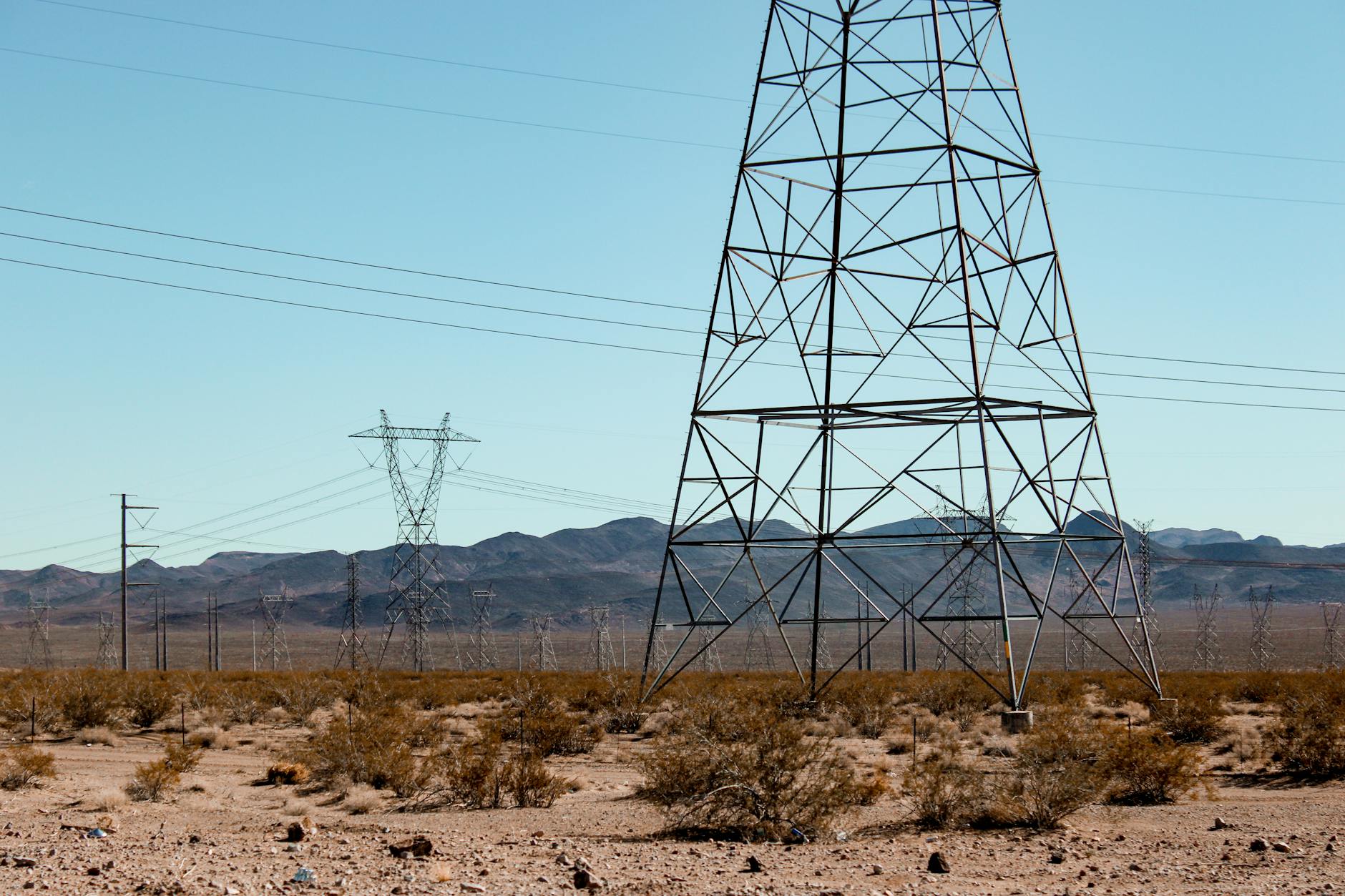
Another critical factor in the causes of energy shortages in Nevada lies in its aging energy infrastructure. Many of the facilities responsible for generating and distributing electricity date back several decades. These outdated systems are ill-equipped to handle the current demands placed upon them. For instance, a report from the U.S. Department of Energy highlighted that over 70% of Nevada’s energy generation capacity is reliant on facilities that are over 40 years old. As a result, these power plants often face reliability issues, leading to frequent power shortages in Nevada.
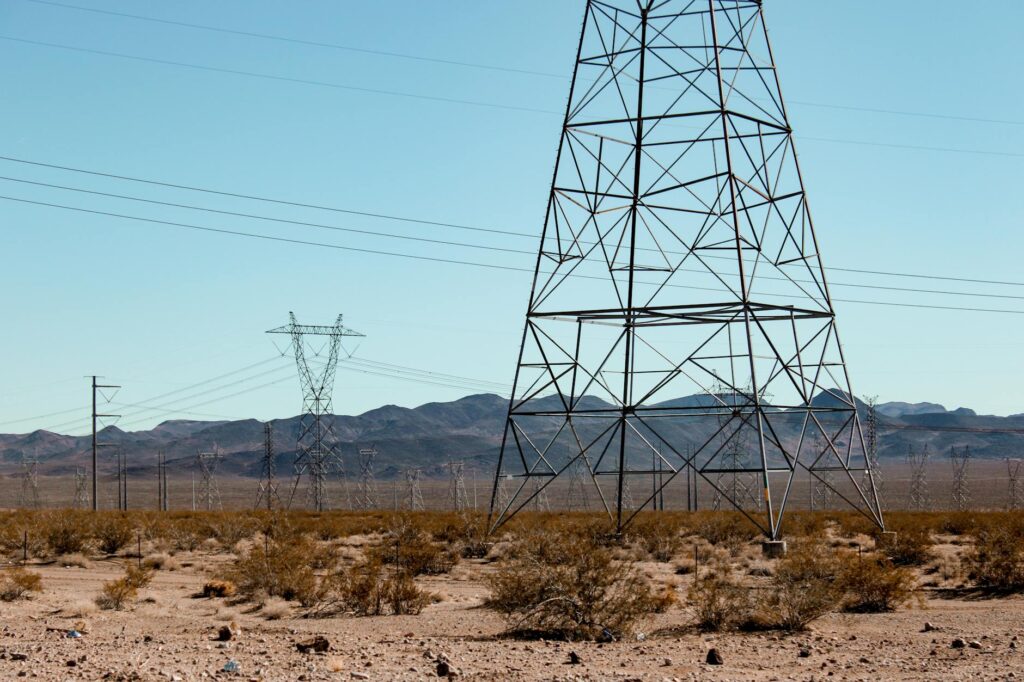
Moreover, significant investments are necessary to upgrade these facilities and improve the grid. However, financial constraints often hinder necessary advancements. While some may argue that transitioning to renewable energy sources could alleviate these issues, the reality is that the infrastructure must first be modernized to accommodate new technologies. Until then, the state’s energy supply issues will likely persist, exacerbating the existing energy crisis.
In light of these challenges, it is evident that both population growth and aging infrastructure play pivotal roles in the ongoing energy shortages faced by Nevada. Addressing these issues requires proactive planning and investment to secure a stable energy future for all Nevadans. community engagement shapes Nevada’s energy policies
The Economic Factors Contributing to the Nevada Energy Crisis
Understanding the causes of energy shortages in Nevada requires a deep dive into the economic factors shaping the state’s energy landscape. Two critical elements stand out: deregulation and market fluctuations. Both have significantly contributed to the current Nevada energy crisis, highlighting the vulnerabilities in our energy supply chain.
The Impact of Deregulation on Energy Supply
Deregulation was intended to foster competition and lower prices in Nevada’s energy market. However, it has had the opposite effect, leading to instability and power shortages in Nevada. By loosening government control, the state allowed private companies to dominate the market. This shift has resulted in less accountability for reliability and price stability. For example, during peak demand periods, companies often fail to meet consumer needs, leading to rolling blackouts and service interruptions.
Moreover, the lack of oversight has led to a focus on short-term profits over long-term sustainability. As energy companies prioritize their bottom line, investments in essential infrastructure, such as aging power plants and renewable energy sources, have been neglected. The absence of a robust regulatory framework has created a perfect storm for energy supply issues, leaving consumers vulnerable to fluctuating prices and unreliable service.
Market Fluctuations and the Causes of Energy Shortages in Nevada
Market fluctuations play a pivotal role in shaping the conditions under which energy is produced and consumed. Rising costs of natural gas and other energy inputs have put additional pressure on energy providers, leading to increased prices for consumers. According to the U.S. Energy Information Administration, the volatility in fuel prices is a key driver of instability in the energy market.
Furthermore, the state has seen a concerning trend in the lack of investment in new energy technologies. As demand for energy grows, particularly in a state known for its tourism and population growth, utilities have failed to innovate and diversify their energy portfolios. This stagnation exacerbates the risk of power shortages and limits the state’s ability to transition to cleaner energy sources.
the economic landscape of Nevada’s energy market is fraught with challenges. Deregulation has stripped away the safeguards needed to ensure a reliable energy supply, while market fluctuations and investment shortfalls have compounded the problem. To address these energy supply issues, the state must consider a reevaluation of its regulatory approach and prioritize investments in sustainable energy solutions.
Environmental and Regulatory Challenges
Understanding the Causes of Energy Shortages in Nevada: Climate Change and Its Effects on Energy Production
As the desert landscape of Nevada grapples with the realities of climate change, one cannot ignore its profound impact on energy production. Predominantly reliant on hydroelectric power, the state faces dwindling water resources, which are critical for generating electricity. This reliance on hydropower, coupled with rising temperatures and prolonged droughts, exacerbates the energy supply issues we see today. According to a report by the U.S. Geological Survey, projections indicate that climate change will significantly reduce the flow of rivers that supply hydroelectric plants, leading to potential power shortages Nevada residents increasingly face.
Furthermore, the rising temperatures necessitate greater energy consumption for cooling, particularly during the scorching summer months. This creates a vicious cycle where the demand for electricity spikes, yet the supply dwindles due to climate-induced factors. The increasing frequency of extreme weather events serves as a stark reminder that climate change is not a distant threat but an immediate concern that directly correlates with the causes of energy shortages in Nevada.
Regulatory Hurdles for Renewable Energy Sources
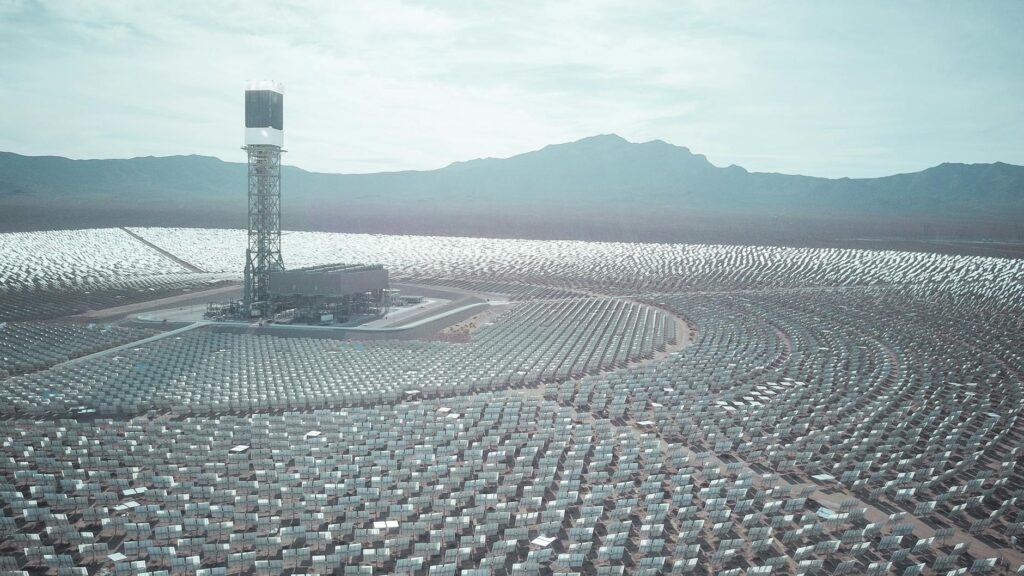
While Nevada has made strides toward renewable energy, regulatory challenges continue to hinder the full potential of alternatives like solar and wind power. The Nevada Energy website highlights the state’s commitment to increasing renewable energy sources. However, bureaucratic red tape can delay project approvals and implementation, ultimately stifling innovation and expansion. These regulatory hurdles contribute to the ongoing Nevada energy crisis.
Opponents may argue that transitioning to renewable energy requires significant investment and infrastructure changes. However, the long-term benefits, such as reduced greenhouse gas emissions, job creation in the green sector, and energy independence, far outweigh the initial costs. By streamlining regulations to facilitate the growth of renewable energy, Nevada can not only address its current energy supply issues but also pave the way for a more sustainable future.
Addressing both climate change and regulatory hurdles is crucial for Nevada. By recognizing these environmental and regulatory challenges, we can better understand the multifaceted causes of energy shortages in Nevada. Ultimately, it is imperative that we confront these issues head-on, for the future of our energy landscape depends on our ability to adapt and innovate.
Addressing the Solutions to Energy Shortages in Nevada
Nevada’s energy landscape is significantly complex, with various factors contributing to the causes of energy shortages Nevada faces today. To combat these challenges and ensure a reliable energy supply, it is crucial to invest in renewable energy sources and improve existing infrastructure.
Investing in Renewable Energy
The Nevada energy crisis can largely be mitigated through a robust investment in renewable energy technologies. With abundant sunlight and wind resources, Nevada is uniquely positioned to harness solar and wind power. The state has already seen initiatives such as the Nevada Solar Project, which aims to increase solar energy capacity significantly. Moving forward, expanding projects like this can create a more sustainable and resilient energy system.
Moreover, the state could benefit from incentivizing local businesses and homeowners to invest in solar panels and battery storage systems. This not only diversifies the energy mix but also empowers communities to take control of their energy production and consumption. As more residents adopt renewable energy solutions, the state can effectively reduce its reliance on fossil fuels, addressing energy supply issues directly.
Improving Infrastructure and Grid Resilience to Combat the Causes of Energy Shortages in Nevada
Another critical step is upgrading the existing energy infrastructure to improve grid resilience. Currently, many areas in Nevada are vulnerable to power shortages. Enhanced grid technology, such as smart grids, can optimize energy distribution and minimize outages. Additionally, integrating energy storage systems will allow for better management of supply and demand, particularly during peak usage times.
Projects like the Northern Nevada Transmission Project are essential to bolster the infrastructure that supports renewable energy integration. By investing in new transmission lines and modernizing existing ones, we can create a more reliable energy supply that mitigates the risk of power shortages in Nevada.
While these solutions are promising, critics may argue that the initial investment required for such projects is too high. However, the long-term benefits, both economically and environmentally, far outweigh the costs. Furthermore, federal and state incentives can help offset these initial investments, making it feasible for both public and private sectors to participate.
By prioritizing renewable energy initiatives and upgrading infrastructure, Nevada can effectively address the causes of energy shortages Nevada faces, paving the way for a more sustainable energy future. 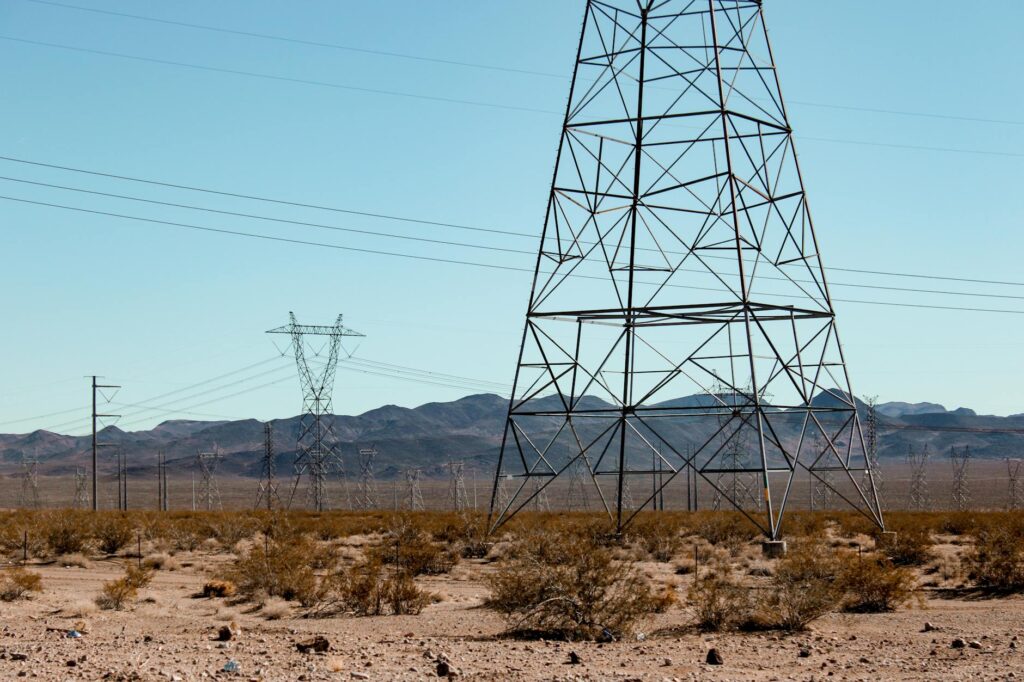
Understanding the causes of energy shortages in Nevada reveals a complex interplay of factors, from increasing demand to infrastructure challenges. The Nevada energy crisis is not merely a local issue; it reflects broader energy supply issues that many regions face today. Addressing these causes is crucial for preventing future power shortages in Nevada, ensuring a stable and reliable energy future.
As residents and policymakers navigate these challenges, it’s essential to stay informed and engaged. By advocating for sustainable energy practices and supporting initiatives aimed at improving infrastructure, everyone can play a role in mitigating the effects of energy shortages. Whether you’re a homeowner, business owner, or community leader, exploring solutions to these issues can help pave the way toward a more resilient energy landscape in Nevada.
“`html
What are the main causes of energy shortages in Nevada?
The causes of energy shortages in Nevada are multifaceted, including increased demand due to population growth, aging infrastructure, and regulatory challenges. Additionally, the state’s reliance on hydroelectric power can be problematic during droughts. These factors, combined with limited energy diversification, contribute to the ongoing Nevada energy crisis, making it difficult to maintain a steady energy supply.
How does population growth affect energy supply issues in Nevada?
Population growth in Nevada significantly impacts energy supply issues by increasing demand for electricity and heating. As more people move to urban areas, the existing energy infrastructure becomes strained, leading to potential shortages. This surge in demand often outpaces the development of new energy resources, exacerbating the challenges faced in managing the state’s energy needs.
What role does climate change play in Nevada’s energy crisis?
Climate change plays a critical role in Nevada’s energy crisis by affecting water availability for hydroelectric power generation and increasing temperatures that raise energy demand for cooling. Droughts and extreme weather events can disrupt energy production, leading to further power shortages in Nevada. Adapting to these changes is essential for ensuring a reliable energy supply in the future.
How can Nevada address its power shortages effectively?
Nevada can address its power shortages effectively by investing in renewable energy sources like solar and wind, which the state has in abundance. Enhancing energy efficiency programs and upgrading the existing infrastructure can also help. Additionally, diversifying energy sources and increasing storage capacity can mitigate the effects of fluctuations in energy demand and supply.
What impact does deregulation have on energy availability in Nevada?
Deregulation can have mixed effects on energy availability in Nevada. While it may promote competition and potentially lower prices, it can also lead to market volatility and inadequate investment in infrastructure. This uncertainty can exacerbate power shortages, making it crucial for regulatory frameworks to balance competition with the need for a reliable energy supply.
Are there renewable energy projects in Nevada that can help?
Yes, Nevada is home to several renewable energy projects that can significantly contribute to alleviating energy shortages. Solar energy is particularly promising, with large-scale solar farms being developed across the state. These projects not only help diversify the energy portfolio but also reduce reliance on fossil fuels, supporting a more sustainable energy future for Nevada.
“`