
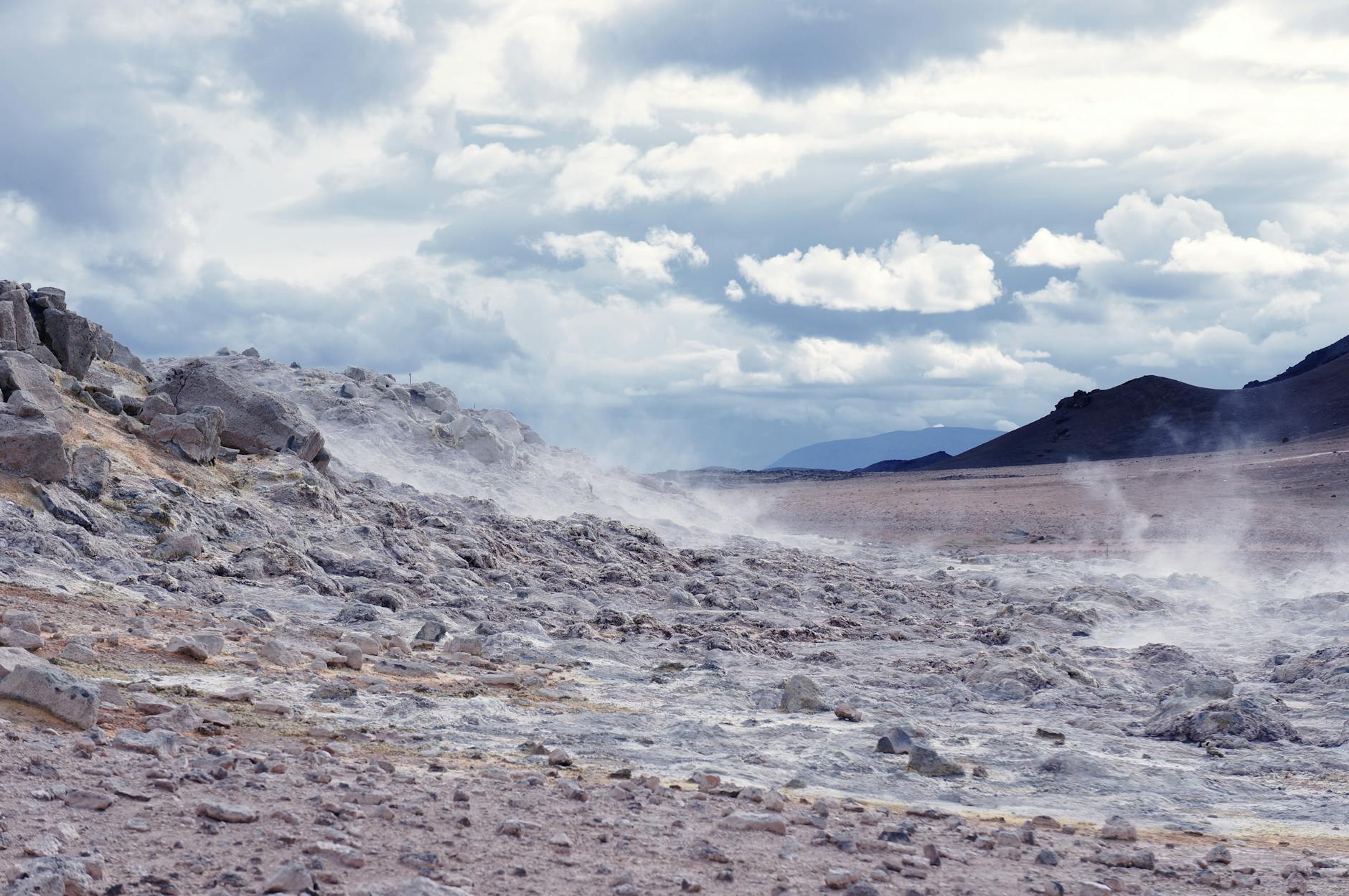
Nevada geothermal energy policy is poised at the forefront of the state’s renewable energy landscape, offering a promising glimpse into a sustainable future. With abundant geothermal energy potential, Nevada has the opportunity to harness this resource to support its energy goals and diversify its energy mix. This article explores the current landscape of Nevada’s geothermal energy policy, examining its role in the broader energy strategy of the state. We will dive into the challenges and benefits of supporting renewable geothermal projects, while also addressing the counterpoints regarding geothermal energy’s environmental and economic impacts. Finally, we will present recommendations for enhancing Nevada geothermal energy policy, paving the way for a robust and sustainable energy future. By understanding these critical elements, we can embrace the potential of geothermal energy in Nevada, ensuring it plays a pivotal role in the state’s energy resources for generations to come. For further insights, check out NV Energy and U.S. Department of Energy.
Nevada Geothermal Energy Policy: An Overview
As the fight against climate change intensifies, Nevada is uniquely positioned to harness its geothermal energy potential. This renewable energy source is not just an alternative to fossil fuels; it is a pillar of the state’s energy strategy. With its vast geothermal resources, Nevada leads the nation in geothermal energy production, contributing significantly to the state’s renewable energy goals.
Importance of Geothermal Energy in Nevada
Nevada’s energy landscape is rapidly evolving, with geothermal energy at the forefront of this transformation. Unlike solar and wind energy, geothermal energy offers a reliable and consistent power source, thanks to the Earth’s internal heat. This reliability makes it an essential component of Nevada’s energy mix, especially as the state aims to achieve its ambitious renewable energy targets. According to the Nevada Energy website, geothermal projects can provide a stable output of electricity, essential for meeting growing energy demands.
Current Policies and Regulations Supporting Nevada Geothermal Energy Policy
The current Nevada geothermal energy policy is structured to foster the development of renewable geothermal projects. The state legislature has enacted several measures to streamline the permitting process and provide financial incentives for geothermal developers. For instance, the Nevada Revised Statutes outlines provisions that encourage exploration and production of geothermal resources, ensuring that they align with the state’s long-term energy goals.
Despite these positive steps, some critics argue that the current policy framework may not sufficiently address challenges such as upfront capital costs and environmental concerns associated with geothermal development. They contend that while geothermal energy presents a lower carbon footprint compared to fossil fuels, the potential for land use conflicts and water resource implications should not be overlooked.
Nevertheless, the benefits of geothermal energy far outweigh these concerns. With proper policy adjustments and continued investment, Nevada can solidify its status as a leader in renewable energy while maximizing its geothermal energy potential. The future of Nevada geothermal energy policy looks bright, promising a sustainable and stable energy future for the state.
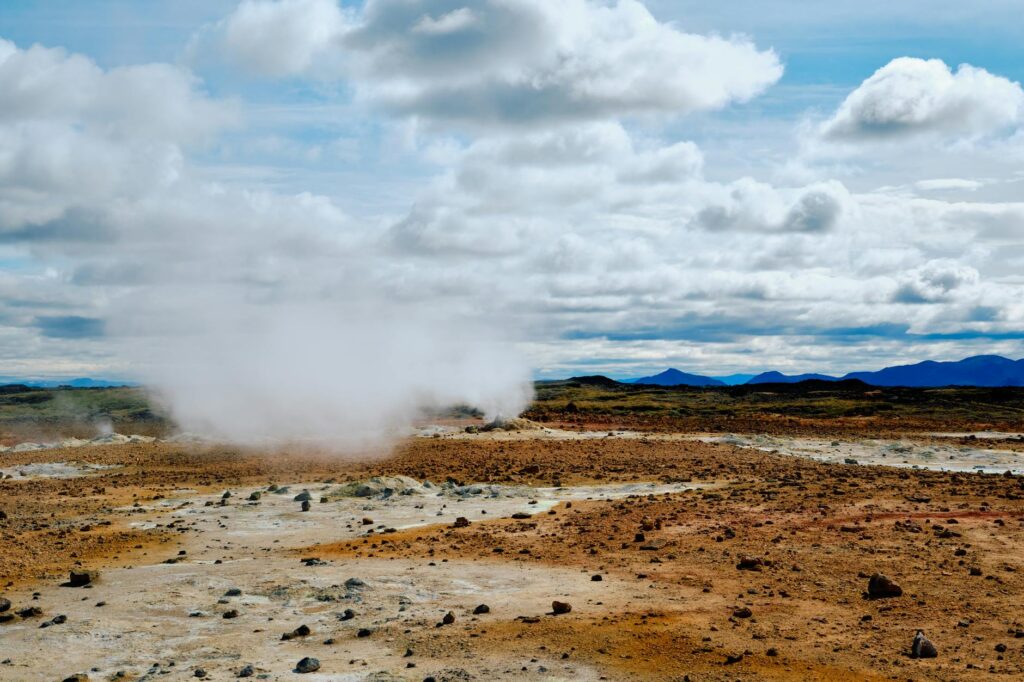
Geothermal Energy Potential in Nevada’s Energy Strategy
Assessing Nevada’s Geothermal Resources
Nevada stands on the brink of a geothermal energy revolution, with significant potential just waiting to be harnessed. With an estimated 1,800 megawatts of geothermal energy potential, the state ranks among the top in the nation for geothermal resources. The U.S. Geological Survey has identified over 300 geothermal sites across the state, showcasing a vast array of geothermal energy resources that can play a vital role in shaping Nevada’s energy landscape.
Despite the promising figures, the Nevada geothermal energy policy landscape has historically been fragmented. However, recent efforts to streamline regulations and encourage investment in renewable geothermal projects signal a shift towards a more cohesive energy strategy. This is particularly important as Nevada aims to meet its ambitious renewable energy goals, including a target of 50 percent renewable energy by 2030.
Future Opportunities and Projects in Nevada Geothermal Energy Policy
Looking ahead, several renewable geothermal projects are poised to come online, contributing significantly to the state’s energy mix. For instance, the Geothermal Energy Association lists multiple upcoming projects, including the development of Enhanced Geothermal Systems (EGS) that could unlock new reservoirs of heat. These projects not only promise to boost Nevada’s energy resources but also create jobs and stimulate local economies.
Nevertheless, challenges remain, particularly in securing financing and navigating regulatory hurdles. Some critics argue that the initial capital investment for geothermal projects can be prohibitive, potentially slowing progress. However, the long-term benefits, such as reduced greenhouse gas emissions and energy independence, far outweigh these concerns. As the state continues to refine its Nevada geothermal energy policy, it must prioritize these projects to fully realize the geothermal energy potential that lies beneath its surface.
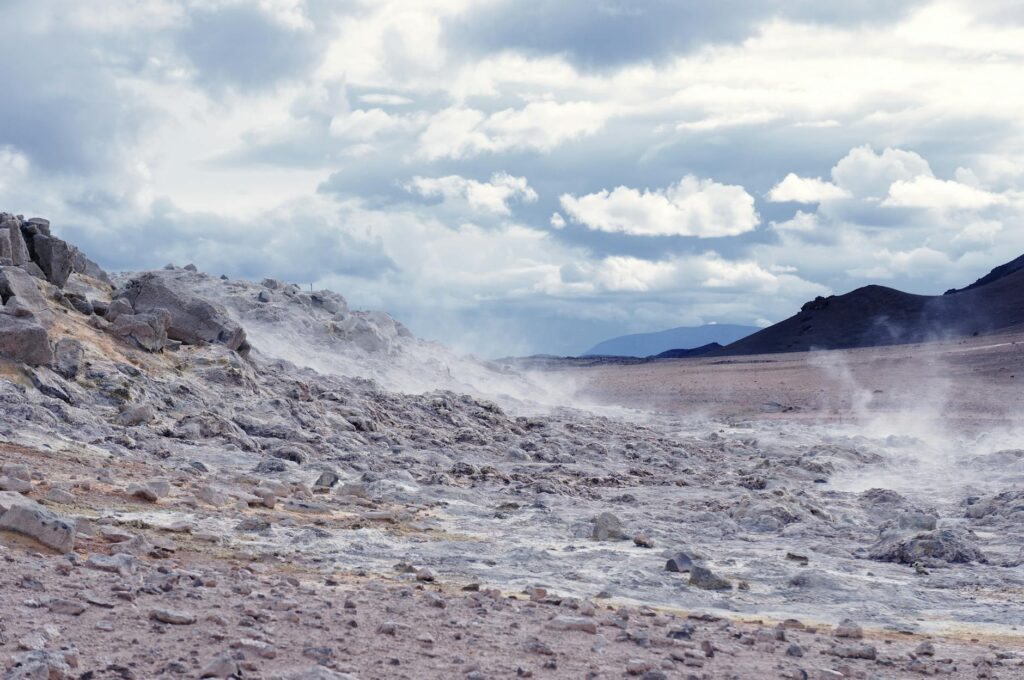
By embracing its geothermal resources, Nevada has the opportunity to lead the nation in sustainable energy solutions. The path forward is clear: with coordinated efforts in policy, investment, and community engagement, Nevada can harness its geothermal potential and set a precedent for other states to follow.
Supporting Renewable Geothermal Projects in Nevada
The future of Nevada geothermal energy policy hinges on robust support for renewable geothermal projects. With the state’s rich geothermal energy potential, fostering investment and funding opportunities becomes crucial. Nevada has an array of incentives, including federal tax credits and state-level grants, aimed at making geothermal projects more financially viable. For instance, the Department of Energy offers substantial funding for research and development, which is instrumental in pushing the boundaries of geothermal technologies.
Investment and Funding Opportunities in Nevada Geothermal Energy Policy
Various funding sources exist to stimulate the geothermal landscape. The Geothermal Technologies Office supports innovative projects that enhance geothermal energy resources. Moreover, partnerships with private investors can alleviate the financial burden on developers. Successful projects like the Soda Lake Geothermal Plant illustrate how effective collaboration can lead to sustainable energy solutions, showcasing that Nevada’s geothermal energy resources are ripe for investment.
Challenges Facing Geothermal Development
Despite its promise, the geothermal sector faces significant challenges. Public perception often casts geothermal energy as an underdog compared to more mainstream renewables like solar and wind. There are also technological barriers, including the need for advanced drilling techniques and improved resource mapping, which can deter potential investors. Moreover, regulatory hurdles can slow project development, often leaving promising sites untapped. Addressing these challenges through comprehensive Nevada geothermal energy policy reforms is essential for unlocking the state’s full geothermal potential.
With continued investment and the right policy support, Nevada can emerge as a leader in renewable geothermal projects. The combination of financial incentives and technological advancements will not only enhance the state’s energy portfolio but can also create jobs and foster economic growth. By prioritizing geothermal energy, Nevada can secure a sustainable and resilient energy future.

Counterpoints: Concerns About Geothermal Energy
Environmental Concerns Surrounding Nevada Geothermal Energy Policy
While the potential for geothermal energy in Nevada is promising, it is not without its critics. One major concern revolves around the environmental impacts of geothermal development. Critics argue that geothermal energy projects can lead to land degradation, water depletion, and even induced seismicity. For example, drilling into geothermal reservoirs can disrupt local ecosystems and potentially harm wildlife habitats. Additionally, the extraction process can consume substantial amounts of water, which may strain local water resources, particularly in arid regions of Nevada where water scarcity is already an issue.
However, ongoing research aims to mitigate these environmental risks. Studies are being conducted to develop better management practices, and regulatory frameworks are evolving to ensure that geothermal projects comply with environmental standards. By adopting more responsible practices, Nevada can harness its geothermal energy potential while safeguarding its natural landscape.
Economic Viability of Renewable Geothermal Projects
Another area of concern lies in the economic viability of renewable geothermal projects. Critics argue that the initial investment costs for geothermal facilities can be prohibitively high, potentially deterring investors. Unlike solar or wind energy, which have seen significant drops in costs, geothermal projects often require substantial upfront capital for drilling and infrastructure development. This raises questions about whether geothermal energy can compete effectively within the larger spectrum of Nevada energy resources.
Nevertheless, advancements in technology and supportive Nevada geothermal energy policy are beginning to address these financial hurdles. Enhanced geothermal systems (EGS) are being explored to lower costs and improve efficiency, making projects more attractive to investors. Furthermore, federal and state incentives can help offset initial expenses, making geothermal energy a more economically viable option in the long run.

while there are valid concerns regarding the environmental impacts and economic feasibility of geothermal energy, proactive measures and ongoing research are paving the way for a sustainable future. By addressing these challenges head-on, Nevada can solidify its position as a leader in renewable energy while responsibly tapping into its geothermal resources.
The Road Ahead: Recommendations for Nevada Geothermal Energy Policy
Policy Recommendations for Nevada Geothermal Energy Policy
To fully harness Nevada’s geothermal energy potential, the state must refine its geothermal energy policy to keep pace with technological advancements and evolving market conditions. First and foremost, implementing streamlined permitting processes can significantly reduce the time and cost associated with developing renewable geothermal projects. By establishing a “one-stop-shop” regulatory framework, developers can focus on innovation and deployment rather than navigating bureaucratic hurdles.
Moreover, it’s crucial to incentivize research and development in geothermal technologies. State grants and tax credits can encourage private investment in cutting-edge geothermal energy solutions, which can lead to more efficient and sustainable energy production. Additionally, integrating geothermal energy into Nevada’s broader energy plan will support the state’s goal of a diversified energy portfolio, enhancing the overall resilience of Nevada energy resources.
Community Engagement Strategies for Nevada Geothermal Energy Policy
Community engagement plays a pivotal role in the success of renewable geothermal projects. To foster public awareness and acceptance, state policymakers should prioritize educational outreach programs that inform residents about the benefits of geothermal energy. These initiatives can demystify the technology and highlight its environmental sustainability, while also addressing common misconceptions.
Furthermore, involving local stakeholders in the planning stages of geothermal projects can cultivate a sense of ownership and investment in these initiatives. Workshops and public forums can be effective venues for gathering feedback and building trust within the community. By aligning Nevada geothermal energy policy with both technological advancements and community interests, we can create a future where geothermal energy thrives as a cornerstone of sustainable development.
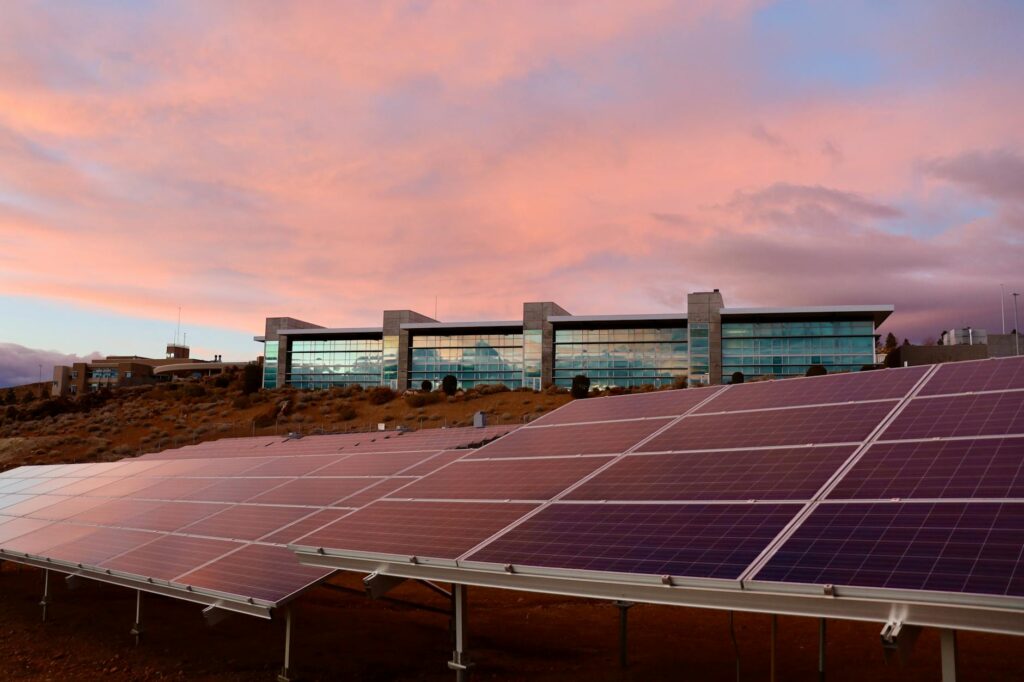
Ultimately, the road ahead for Nevada geothermal energy policy is paved with opportunities that can lead to a more sustainable and resilient energy future. By embracing innovative policies and engaging communities, we can unlock the full potential of geothermal energy in Nevada.
Conclusion: Embracing the Future of Geothermal Energy
Nevada geothermal energy policy is not just a set of regulations; it represents a vital framework for developing the state’s renewable energy landscape. As we look ahead, it’s clear that there’s immense geothermal energy potential waiting to be harnessed. The unique geological features of Nevada make it an ideal candidate for innovative geothermal projects that can significantly contribute to both local and national energy needs.
Investing in geothermal energy not only supports Nevada’s shift towards sustainable energy but also positions the state as a leader in the renewable energy sector. Current policies are critical in encouraging new renewable geothermal projects, which can provide clean, reliable energy while creating jobs and stimulating economic growth. By refining and expanding these policies, Nevada can attract investment and expertise, fostering an environment ripe for innovation.
However, some may argue that the initial costs and regulatory hurdles associated with geothermal development are deterrents. While these challenges are valid, they should not overshadow the long-term benefits of investing in geothermal resources. The ability to generate energy consistently and sustainably far outweighs the temporary obstacles faced during development. Moreover, as technology advances, costs are likely to decrease, making geothermal projects more accessible and attractive.
To truly embrace the future of geothermal energy, we must rally around robust Nevada geothermal energy policy that encourages growth and innovation. By doing so, we can unlock the full potential of Nevada energy resources, ensuring a sustainable energy future for generations to come.
As Nevada continues to explore its geothermal energy potential, the future of Nevada geothermal energy policy looks promising. Increased investments in renewable geothermal projects can drive economic growth while enhancing the state’s energy independence. By harnessing these unique Nevada energy resources, we can move closer to a sustainable energy future that benefits both the environment and local communities.
With the right policies in place, the state can unlock the full potential of geothermal energy, creating jobs and reducing reliance on fossil fuels. It is crucial for stakeholders, from policymakers to residents, to engage in discussions about how to shape Nevada geothermal energy policy effectively. Consider getting involved in local initiatives or attending community forums to stay informed about developments in renewable geothermal projects. Your participation can make a difference in fostering a cleaner, more sustainable energy landscape for Nevada.
“`html
What is Nevada geothermal energy policy?
Nevada geothermal energy policy encompasses regulations and incentives aimed at promoting the development and utilization of geothermal energy resources in the state. This policy framework supports renewable energy goals, facilitates project permitting, and encourages investment in geothermal technologies. As one of the states with significant geothermal potential, Nevada’s policy is essential for tapping into this clean energy source, which can play a crucial role in the state’s transition to renewable energy.
How much geothermal energy potential does Nevada have?
Nevada has one of the highest geothermal energy potentials in the United States, with estimates suggesting that the state could produce over 5,000 megawatts of geothermal power if fully developed. Currently, Nevada hosts numerous geothermal resources and plants, but a significant portion of its potential remains untapped. This abundant geothermal energy potential positions Nevada as a leader in renewable energy development, making it an attractive location for future projects and investments.
What are the current renewable geothermal projects in Nevada?
Current renewable geothermal projects in Nevada include several operational geothermal power plants, such as the Ormat Technologies’ Steamboat Hills and Brady Hot Springs facilities. Additionally, new projects are in development phases, including the potential expansion of existing sites and exploration of new geothermal resources. These projects not only contribute to the state’s energy supply but also support local economies and job creation, reinforcing Nevada’s commitment to renewable energy initiatives.
How does geothermal energy fit into Nevada’s energy resources?
Geothermal energy is an integral part of Nevada’s energy resources, complementing other renewable sources such as solar and wind. It provides a stable and reliable energy supply that can help balance the intermittency of solar and wind power. The state’s geothermal resources can support Nevada’s goals for reducing greenhouse gas emissions and enhancing energy security. Furthermore, as Nevada continues to expand its renewable energy portfolio, geothermal energy will play a crucial role in achieving a sustainable energy future.
What challenges does geothermal energy face in Nevada?
Geothermal energy in Nevada faces several challenges, including high upfront costs and lengthy permitting processes that can deter investment. Additionally, there may be local opposition to drilling and exploration activities due to environmental concerns. There is also a need for further exploration to identify new geothermal resources. Despite these challenges, the state’s robust policy framework aims to address these barriers and foster growth in the geothermal sector.
How can I invest in geothermal energy projects in Nevada?
Investing in geothermal energy projects in Nevada can be done through various avenues, including partnering with established companies in the sector, purchasing equity in geothermal startups, or investing in renewable energy funds that focus on geothermal resources. Additionally, individuals can explore opportunities through state-sponsored programs and incentives that promote clean energy investments. It is advisable to conduct thorough research and consult with financial experts when considering investments in this emerging sector.
“`