
Nevada national clean energy initiatives are setting the stage for a transformative shift in how the nation approaches renewable energy. As a state that has embraced ambitious renewable energy goals, Nevada is not only demonstrating its commitment to sustainability but is also positioning itself as a model for Nevada clean energy leadership across the United States. This article delves into the state’s comprehensive approach to clean energy, highlighting key initiatives that serve as a blueprint for the future, the significance of its renewable energy targets, and the evolving national energy policy Nevada is helping to shape. It also addresses the challenges and counterpoints that accompany such ambitious plans, providing a balanced view of the road ahead. As we explore Nevada’s journey toward a greener future, we’ll consider what lies ahead for clean energy in Nevada and beyond, emphasizing the importance of embracing this transition for sustainable progress.
Nevada’s National Clean Energy Initiatives: A Blueprint for the Future
Nevada has emerged as a formidable force in the realm of clean energy, setting an example for other states and influencing national energy policy. As we navigate the complexities of climate change, Nevada national clean energy initiatives stand at the forefront, showcasing how local action can have a ripple effect on broader national objectives. The state’s proactive measures not only establish it as a leader in clean energy but also align with nationwide renewable energy goals, creating a template that others might emulate.
Understanding Nevada’s Clean Energy Leadership
At the heart of Nevada’s clean energy leadership is its ambitious commitment to renewables. The state has set forth aggressive targets to achieve 100% renewable energy by 2050, with interim goals that demonstrate tangible progress. For instance, Nevada aims to generate 50% of its electricity from renewable sources by 2030, a goal that is increasingly becoming a reality thanks to its vast solar and geothermal resources. The state currently ranks among the top in the nation for solar energy production, an achievement that underlines its role in advancing renewable energy initiatives.
Additionally, Nevada’s regulatory framework supports innovation. The state has implemented policies that facilitate the growth of renewable energy markets and encourage private investment. By fostering a business-friendly environment, Nevada is not just meeting its energy needs but is also setting a benchmark for national energy policy discussions across the country.
The Impact of National Energy Policy on Nevada
National energy policy Nevada has a significant role in shaping the direction of local clean energy initiatives. The recent federal push for clean energy tax incentives and grants aligns perfectly with Nevada’s goals, providing essential funding and support for projects that might otherwise face financial hurdles. This symbiotic relationship illustrates how state and federal policies can work hand in hand to accelerate the transition to a sustainable future.
However, while Nevada’s initiatives are commendable, some critics argue that the state should focus more on grid reliability and energy equity. They contend that rapid shifts towards renewable sources must be balanced with efforts to ensure that all communities can access affordable energy solutions. Addressing these concerns is crucial; if Nevada is to solidify its reputation as a clean energy leader, it must also ensure equitable access to its burgeoning resources.
Ultimately, Nevada national clean energy initiatives represent a bold vision for the future, one that prioritizes sustainability while catalyzing economic growth. As other states look to Nevada for inspiration, the potential for a nationwide shift towards renewable energy becomes increasingly realistic. With continued commitment and collaboration, Nevada is not just leading the charge; it’s paving the way for a cleaner, greener future.

Setting Ambitious Targets: Nevada’s Renewable Energy Goals
Nevada has emerged as a beacon of hope in the realm of renewable energy, setting ambitious goals that not only reflect state priorities but also resonate with national energy strategies. The Nevada national clean energy initiatives aim for 50% of the state’s electricity to come from renewable sources by 2030 and 100% by 2050. This commitment to renewable energy, particularly in solar and wind, is not just about meeting local demand; it’s about positioning Nevada as a leader in the broader national energy landscape.
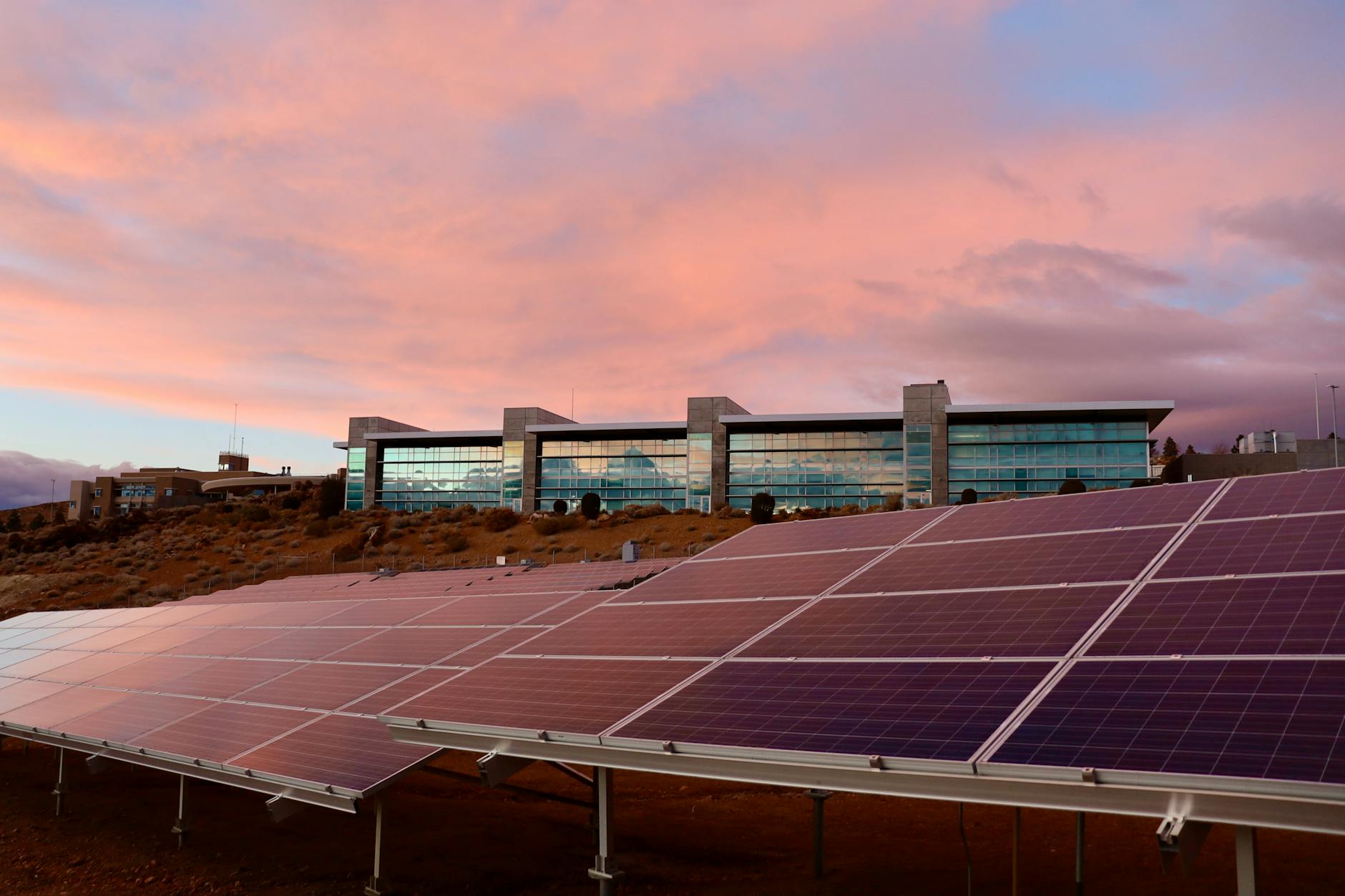
Solar power, in particular, has been the crown jewel of Nevada’s renewable energy strategy. With vast stretches of desert land, Nevada has the potential to harness solar energy like few other states. The state is currently home to the largest solar facility in the Western Hemisphere, demonstrating its capability to lead in this sector. Wind energy is also on the rise, with Nevada aiming to increase its wind capacity significantly in the coming years. Together, these renewable energy goals align with broader national energy policy objectives, including reducing greenhouse gas emissions and enhancing energy independence.
How These Goals Align with National Standards
The significance of Nevada’s renewable energy goals extends beyond state lines. By aligning its targets with national standards, Nevada not only contributes to the collective aim of achieving a cleaner energy future but also sets a benchmark for other states to follow. However, challenges persist. Transitioning to renewable sources requires substantial investment in infrastructure and technology, as well as overcoming regulatory hurdles and public resistance. Yet, the potential economic benefits, including job creation and energy savings, make these challenges worth addressing.
In many ways, Nevada’s commitment to renewable energy exemplifies the state’s clean energy leadership. As it strives to meet its ambitious renewable energy goals, Nevada is not merely participating in the energy transition but is actively shaping the narrative around national energy policy. The state’s initiatives could serve as a model for others, making a compelling case for the necessity of robust, forward-thinking energy strategies in the face of climate change. For those interested in the broader context of renewable energy sources, Nevada Clean Energy Programs provides valuable insights into the various avenues for clean energy development.

Ultimately, Nevada’s national clean energy initiatives not only reflect a commitment to sustainability but also offer a template for how ambitious goals can drive real change. The state’s proactive approach to renewable energy may inspire a wave of innovation and action across the nation, proving that with the right vision and determination, a cleaner, greener future is indeed possible.
Challenges and Counterpoints to Nevada’s Clean Energy Efforts
Opposition to Nevada National Clean Energy Initiatives
Nevada’s ambition to lead in clean energy through its national initiatives is not without challenges. Critics argue that the transition to renewable energy comes with significant economic ramifications. For instance, some stakeholders in the traditional energy sector express concerns that shutting down fossil fuel plants could lead to job losses and economic instability. The Nevada clean energy leadership aims to create new jobs in the renewable sector, but opponents question whether these new opportunities will adequately replace the jobs lost in fossil fuel industries.
Moreover, the initial costs of transitioning to renewable energy sources, such as solar and wind, can be substantial. Critics often cite the need for large investments in infrastructure and technology, which can strain state and local budgets. This financial burden raises questions about the sustainability of Nevada’s renewable energy goals without federal support or a clear national energy policy Nevada that prioritizes clean energy funding.
Economic and Environmental Considerations
While it’s essential to recognize these economic concerns, proponents of the Nevada national clean energy initiatives argue that the long-term benefits outweigh the initial costs. A report by the National Renewable Energy Laboratory suggests that states investing in renewable energy can expect job growth and economic diversification. Furthermore, the shift towards clean energy helps mitigate the adverse effects of climate change, ultimately safeguarding Nevada’s natural beauty, which is vital for tourism and local economies alike.
Environmental advocates emphasize that renewable energy sources reduce air and water pollution, creating healthier communities. The transition can also lead to decreased reliance on imported fuels, enhancing national security and energy independence. Although the economic transformation is challenging, the potential for innovation and new business models in the renewable sector could spur growth, making the environmental and economic arguments more compelling over time. For detailed insights on economic impacts, see Advocate Clean Energy in Nevada.
In addressing these challenges, the dialogue around Nevada’s clean energy initiatives must include voices from both sides of the debate. By finding common ground, stakeholders can develop solutions that enhance economic stability while working towards ambitious renewable energy goals. As Nevada continues to push for clean energy leadership, the conversation will remain crucial to navigating the complexities of this transition.
The Future of Clean Energy in Nevada and Beyond
Nevada National Clean Energy Initiatives: Innovations and Technological Advances
As we look toward the future, Nevada stands at the forefront of clean energy innovation, pushing boundaries that could redefine our national energy landscape. The state is already home to some of the largest solar projects in the United States, and its commitment to achieving renewable energy goals is only gaining momentum. With technological advances in energy storage, grid integration, and smart technology, Nevada’s national clean energy initiatives are setting a powerful example.
A key area of innovation is energy storage technology, which is crucial for managing the intermittent nature of renewable sources like solar and wind. Companies like Tesla are leading the charge with cutting-edge battery systems that allow energy to be stored and used when demand spikes. This not only enhances grid reliability but also makes renewable energy more accessible to consumers.
Moreover, advancements in smart grid technology enable better energy management and distribution. By implementing real-time data analytics, Nevada can optimize energy consumption patterns, making it a model for how states can harness technology to enhance their energy efficiency.
Nevada as a Model for Other States
Nevada’s clean energy leadership is not just beneficial for its residents; it serves as a blueprint for other states grappling with similar energy challenges. By adopting similar policies, states can align with national energy policy Nevada has helped shape, which emphasizes sustainability and innovation. For example, states looking to implement robust solar or wind programs can learn from Nevada’s regulatory framework and community engagement strategies, which have been instrumental in driving public support for clean energy projects.
Furthermore, Nevada’s successful partnerships between government, utility companies, and local communities showcase a cooperative approach that other states can replicate. By fostering a collaborative environment, Nevada has been able to accelerate the implementation of its clean energy initiatives while ensuring that diverse stakeholders are heard.
As we move forward, the vision for a clean energy future is clearer than ever. Nevada’s commitment to renewable energy and its innovative spirit position it as a leader in this crucial transition. By embracing these changes, other states can contribute to a sustainable future, one that is resilient and equitable for all. For more information on Nevada’s efforts, including The Economic Impact of Nevada Clean Energy Jobs, explore the various initiatives already in motion.

Conclusion: Embracing the Clean Energy Transition
Nevada is not just a participant in the clean energy revolution; it is a leader. The Nevada national clean energy initiatives position the state as a beacon for sustainable practices and innovative energy solutions. The potential benefits extend beyond Nevada’s borders, influencing the national energy policy and setting a precedent for other states to follow. By embracing these initiatives, Nevada can not only enhance its own economic stability but also contribute to a more sustainable future for the entire country.
One of the most compelling aspects of Nevada’s clean energy leadership is its commitment to ambitious renewable energy goals. The state aims to generate 50 percent of its electricity from renewable sources by 2030, a target that not only promotes environmental sustainability but also creates jobs and stimulates economic growth. As a testament to this, Nevada has already witnessed a surge in green jobs, with solar and wind energy sectors leading the charge. These advancements not only bolster the local economy but also serve as a model for national clean energy strategies.
However, the journey is not without its challenges. Critics may argue that the transition to a clean energy future could disrupt existing industries and lead to job losses in traditional sectors. While these concerns are valid, they underscore the importance of a balanced approach that includes retraining programs for workers and investment in new technologies. The potential downsides must be addressed through thoughtful planning and community engagement, ensuring that the shift towards renewable energy is equitable and inclusive.
Continued support for the Nevada national clean energy initiatives is essential. This includes fostering innovation through research and development, incentivizing investment in renewable projects, and enhancing infrastructure to support clean energy technologies. As the nation grapples with climate change and seeks to reduce its carbon footprint, Nevada’s proactive stance and collaborative spirit will be crucial in shaping the future of energy in America. By investing in clean energy now, Nevada can lead the way toward a sustainable and prosperous tomorrow.
Nevada national clean energy initiatives are setting a powerful example for states across the country. With a commitment to ambitious renewable energy goals, Nevada is not only demonstrating its clean energy leadership but also influencing national energy policy Nevada. By embracing innovative technologies and sustainable practices, the state is paving the way for a greener future.
The journey towards achieving these goals requires collective action and engagement from all sectors. Whether you’re a resident, business owner, or policymaker, there are numerous ways to contribute to Nevada’s clean energy transition. Stay informed, participate in local initiatives, and advocate for policies that support renewable energy. Together, we can ensure that Nevada remains at the forefront of clean energy advancements, inspiring others to follow suit.
“`html
What are the main Nevada national clean energy initiatives?
The main Nevada national clean energy initiatives include a commitment to increasing renewable energy production, enhancing energy efficiency, and promoting sustainable transportation. The state has set ambitious targets for solar and wind energy, aiming to achieve 50% renewable energy by 2030. Additionally, Nevada is investing in smart grid technology and electric vehicle infrastructure to support these initiatives and reduce greenhouse gas emissions.
How does Nevada demonstrate clean energy leadership?
Nevada demonstrates clean energy leadership through comprehensive policies that prioritize renewable energy development and sustainability. The state has enacted legislation to facilitate the transition to clean energy, such as the Renewable Energy Standards (RES) and the Energy Efficiency Resource Standards (EERS). Nevada’s proactive approach includes significant investments in solar power, making it one of the top states for solar energy production in the U.S., thereby showcasing its commitment to the Nevada national clean energy initiatives.
What is the current national energy policy in Nevada?
The current national energy policy in Nevada focuses on increasing the share of renewable energy in the state’s energy mix, enhancing energy efficiency, and reducing carbon emissions. The state has established a goal of achieving 100% carbon-free energy by 2050, reflecting its commitment to sustainable energy practices. Initiatives are aligned with broader federal energy policies promoting clean energy technologies and climate resilience.
What renewable energy goals has Nevada set?
Nevada has set ambitious renewable energy goals, including achieving 50% renewable energy by 2030 and 100% carbon-free energy by 2050. These goals are part of a comprehensive plan to transition to a clean energy economy while promoting job creation and economic growth. The state’s focus on solar, wind, and geothermal energy sources is central to meeting these targets and reducing reliance on fossil fuels.
How can Nevada’s clean energy initiatives impact the economy?
Nevada’s clean energy initiatives can significantly impact the economy by creating jobs, attracting investments, and reducing energy costs. The growth of the renewable energy sector is expected to generate thousands of jobs in manufacturing, installation, and maintenance. Furthermore, transitioning to clean energy can reduce overall energy expenses for consumers and businesses, fostering economic stability and growth in the region.
What challenges do Nevada’s clean energy efforts face?
Nevada’s clean energy efforts face several challenges, including regulatory hurdles, financing issues, and public acceptance. Transitioning to a renewable energy-based economy requires significant upfront investment, which can be a barrier for some stakeholders. Additionally, the state must navigate the complexities of integrating diverse energy sources into the existing grid while maintaining reliability and affordability for consumers.
“`