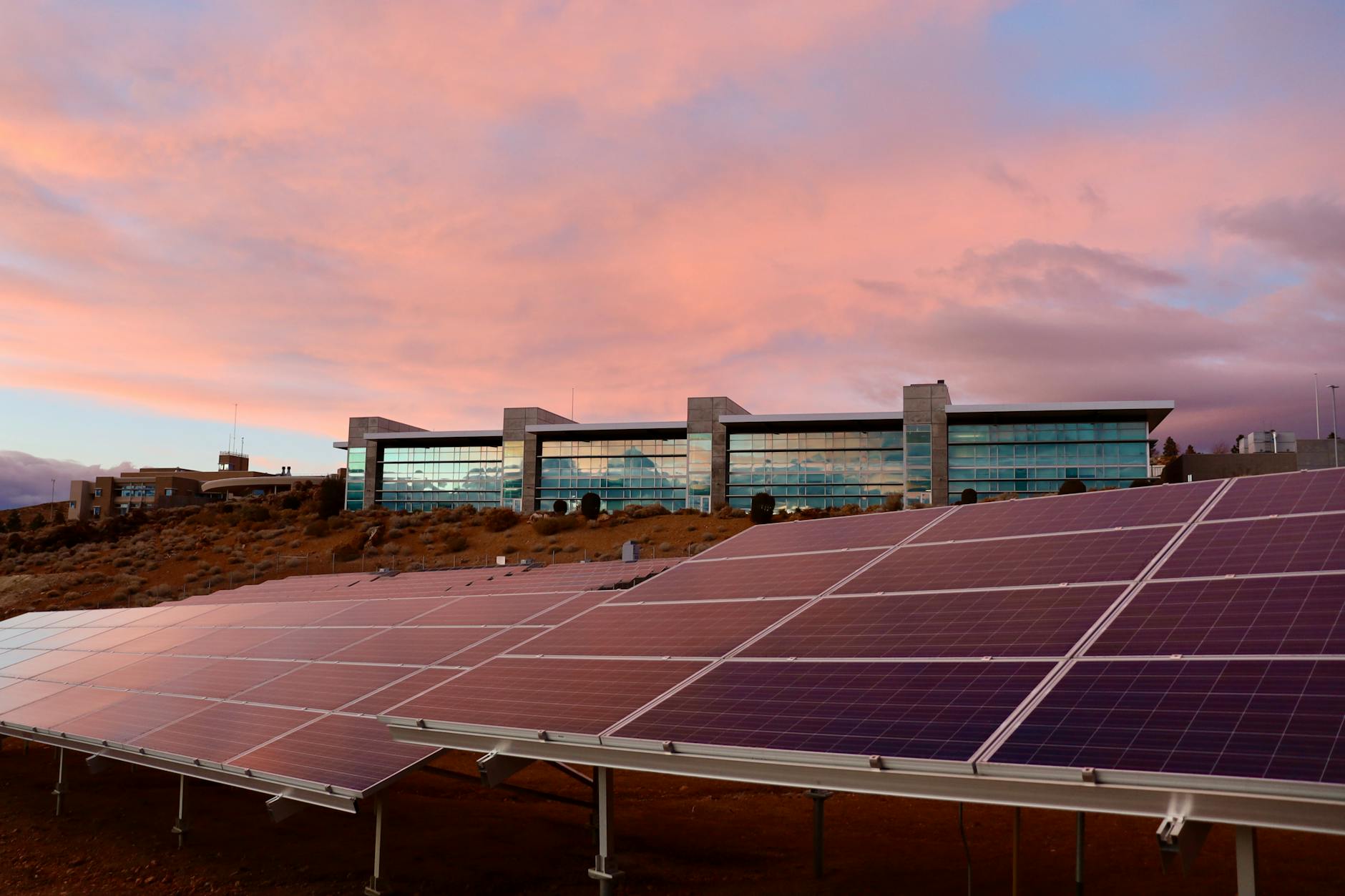
Nevada community solar projects are rapidly gaining traction as a sustainable energy solution for residents across the Silver State. These innovative initiatives not only harness the abundant sunlight that Nevada is known for but also provide a host of community solar benefits, such as making renewable energy accessible to those who may not have suitable rooftops for solar panels. In this article, we will delve into the unique aspects of Nevada’s community solar landscape, discussing the key advantages these projects offer to Nevadans, from cost savings to environmental impact. We’ll also explore the role of Nevada solar co-ops, which foster collaboration among residents, and take a look at various shared solar programs available in the state. Additionally, we’ll address some challenges and counterpoints to community solar projects, ensuring a balanced view. Finally, we will consider what the future holds for community solar in Nevada, highlighting the potential for growth and innovation in this vital sector.
Understanding Nevada Community Solar Projects
What are Community Solar Projects?
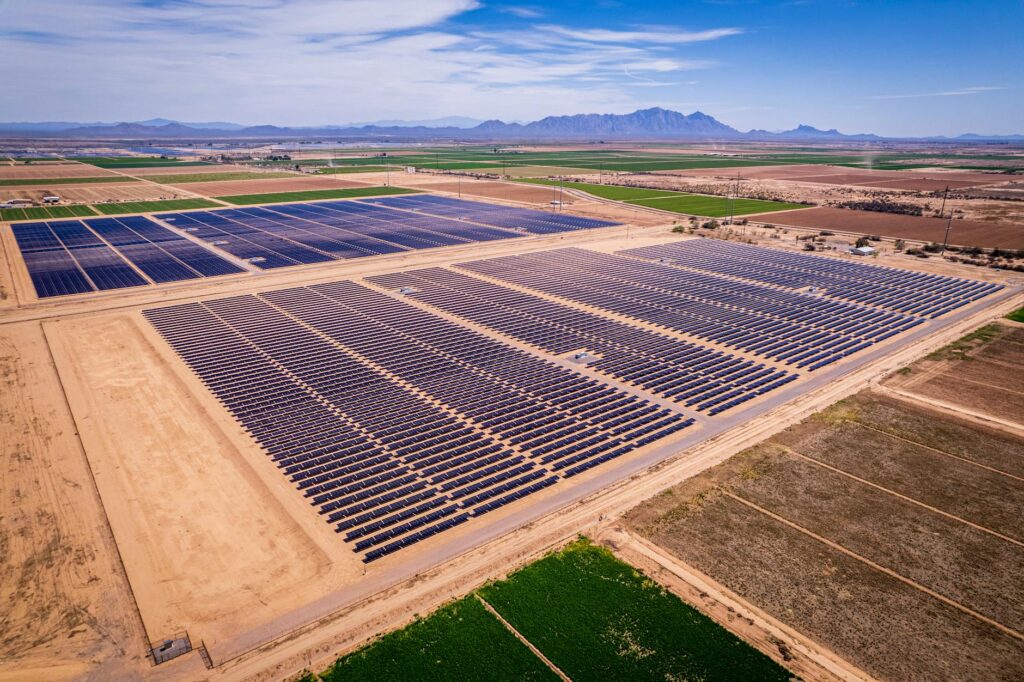
Nevada community solar projects are innovative initiatives designed to provide access to solar energy for individuals and businesses that may not be able to install solar panels on their own properties. These projects allow participants to buy or lease a share of a larger solar array, enabling them to benefit from solar energy without the upfront costs associated with traditional solar installations. Essentially, they democratize access to renewable energy, making it available to a broader range of people.
Community solar projects often operate through shared solar programs where multiple subscribers benefit from the electricity generated by a single solar installation. Participants receive credits on their utility bills, reflecting their share of the energy produced. This model not only helps reduce energy costs for participants but also contributes to a more sustainable energy grid. The community solar benefits extend beyond financial savings, fostering a sense of community and collective responsibility towards a greener future.
The Rise of Shared Solar Programs in Nevada
The growth of shared solar programs in Nevada highlights a significant shift in the state’s energy landscape. With abundant sunshine, it’s no surprise that Nevada has emerged as a leader in solar energy. According to the 2022 Solar Market Insight Report, Nevada ranks highly for solar capacity per capita, and community solar is playing a crucial role in this expansion. Nevada solar co-ops have also gained traction, allowing residents to band together to negotiate bulk purchasing agreements for solar installations, further driving down costs.
Despite the numerous advantages offered by Nevada community solar projects, some critics argue that these initiatives might not cater to the needs of all residents or could create a dependency on utility companies. However, the reality is that these projects empower local communities and create opportunities for energy independence. As the state continues to embrace renewable energy, the potential for community solar to contribute to a more sustainable future becomes increasingly evident.
Ultimately, embracing Nevada community solar projects is not just about harnessing the sun’s power; it’s about fostering community resilience, promoting sustainable practices, and ensuring equitable access to clean energy for all. As more residents engage with these programs, they not only benefit individually but also contribute to a collective shift towards a sustainable future. By investing in shared solar programs, Nevada is setting a powerful example for other states to follow.
Key Community Solar Benefits for Nevadans
As Nevada continues to embrace renewable energy, the emergence of Nevada community solar projects presents a unique opportunity for residents to reap multiple rewards. These initiatives not only promise cost savings but also foster a sustainable future for our environment. By participating in shared solar programs, Nevadans can enjoy substantial economic and ecological benefits.
Cost Savings and Affordability in Nevada Community Solar Projects
One of the most compelling community solar benefits is the potential for significant cost savings on energy bills. According to a report from the National Renewable Energy Laboratory, community solar projects can reduce electricity costs by up to 10%, which can add up to hundreds of dollars saved annually for families. This is particularly beneficial for low- and moderate-income households who might otherwise struggle with energy expenses. With the rising costs of traditional energy sources, these affordable options make solar energy accessible to all Nevadans, regardless of their financial standing or home ownership status.
Moreover, Nevada solar co-ops are gaining traction, allowing residents to pool their resources to negotiate better rates for solar installations. This collective approach not only enhances affordability but also builds a sense of community. When residents come together to invest in renewable energy, they not only save money but also support local economies.
Environmental Impact and Sustainability of Nevada Community Solar Projects
The environmental benefits of community solar cannot be overstated. Utilizing clean energy sources significantly reduces carbon emissions, which is crucial in combating climate change. A study from the Environmental Protection Agency indicates that community solar projects can offset thousands of tons of CO2 emissions, making a tangible impact on our planet’s health. By choosing shared solar programs, Nevadans contribute to a cleaner environment, ensuring a sustainable future for generations to come.
Additionally, community solar projects bolster Nevada’s economy by creating jobs in installation, maintenance, and administration. As the demand for renewable energy grows, these jobs not only provide income but also stimulate local economies in various regions across the state.
Incorporating Nevada community solar projects into our energy landscape is not merely an option; it is a necessity. The dual benefits of lowering energy costs and promoting sustainable practices make these initiatives a win-win for all Nevadans. As we move forward, embracing community solar will be vital in shaping a brighter and greener future for our state.

Nevada Solar Co-Ops: A Collaborative Approach to Community Solar Projects
As Nevada embraces the potential of renewable energy, the emergence of Nevada solar co-ops presents a transformative avenue for residents to engage in Nevada community solar projects. These cooperatives foster collaboration among community members, making solar energy more accessible and cost-effective for all. By pooling resources, participants can enjoy the myriad benefits of community solar, ultimately paving the way for a sustainable future.
How Nevada Solar Co-Ops Work
Nevada solar co-ops operate on a straightforward principle: residents band together to leverage collective buying power for solar installations. This model allows members to benefit from discounted rates on solar panels and installation services. Co-ops typically work with approved installers to ensure quality and reliability, while also simplifying the process for individuals who might feel overwhelmed by the complexities of going solar alone.
In these shared solar programs, co-op members can either purchase or lease solar systems, depending on their financial preferences and goals. This flexibility is one of the key community solar benefits, as it caters to various economic situations and encourages broader participation. Moreover, co-ops provide educational resources, guiding members through the journey of solar adoption, from understanding financing options to navigating state incentives.
Success Stories from Local Co-Ops
One standout example is the Solar United Neighbors co-op in Las Vegas, which has successfully facilitated numerous installations. By pooling the efforts of over 150 households, they not only achieved significant savings but also fostered a sense of community among participants. Another notable case is the co-op in Reno, where members reported a collective savings of over $500,000 on their solar investments, showcasing the tangible financial benefits of collaboration.
These success stories highlight how Nevada solar co-ops not only make renewable energy accessible but also empower communities to take charge of their energy futures. As more residents recognize the benefits of joining forces, we can expect to see a ripple effect throughout the state, further solidifying Nevada’s status as a leader in renewable energy.

the collaborative approach offered by Nevada solar co-ops is a compelling model that facilitates the growth of Nevada community solar projects. By harnessing the power of community, we can continue to drive the adoption of renewable energy, ensuring a cleaner, more sustainable future for all Nevadans.
Challenges and Counterpoints to Community Solar Projects
While the promise of Nevada community solar projects is enticing, it’s crucial to address the challenges and misconceptions that often cloud their potential. Understanding these hurdles not only informs public discourse but also lays the groundwork for more effective advocacy and implementation.
Common Misconceptions
Many people believe that community solar projects are only for the environmentally conscious or affluent, but this is a misconception. In reality, community solar benefits extend to a broad demographic, including low-income households and renters who might not have access to individual solar installations. These shared solar programs allow participants to buy or lease a portion of a larger solar array, ensuring that everyone can take advantage of renewable energy savings.
Furthermore, there is a notion that Nevada lacks the infrastructure or market readiness for community solar. This is simply untrue; the state’s abundant sunshine presents an ideal environment for solar energy production. With organizations like the Nevada Solar Co-op leading the charge in creating local solar initiatives, it is clear that the groundwork is being laid for successful community projects.
Regulatory and Financial Hurdles
Despite these misconceptions, it is undeniable that regulatory and financial challenges exist. Navigating the complex web of state and local regulations can be daunting for potential developers of Nevada community solar projects. Policy inconsistencies can deter investment and slow down project approvals. Additionally, many community solar projects require significant upfront capital, which can be a barrier for smaller developers. Financial incentives, such as tax credits or grants, are crucial to offset these costs, but they can sometimes be difficult to secure.
Moreover, the lack of established financing models for Nevada’s unique market can make it hard for community solar projects to find sustainable funding. Investors often seek proven returns, and without a clear path to profitability, it can be challenging to attract the necessary capital to launch these initiatives.
while misconceptions and hurdles exist, the potential for Nevada community solar projects remains vast. With greater awareness and a concerted effort to tackle regulatory and financial obstacles, Nevada can truly harness the power of the sun for all its residents. As we look to the future, it is essential for stakeholders to collaborate and innovate, ensuring that the benefits of shared solar programs become a reality for everyone.
The Future of Community Solar in Nevada
The landscape of Nevada community solar projects is evolving rapidly, driven by technological innovations and shifts in policy. These advancements are not just reshaping how we think about solar energy; they are making it more accessible and beneficial for residents across the state. As we look toward the future, the potential for community solar to play a vital role in our energy infrastructure is clearer than ever.
Innovations and Trends in Nevada Community Solar Projects
One of the most exciting trends in community solar is the integration of battery storage technology. By pairing solar panels with batteries, residents can enjoy energy independence even during outages or at night. This combination not only enhances reliability but also maximizes the use of solar energy, making shared solar programs more effective and appealing. Additionally, advancements in solar panel efficiency mean that projects can generate more energy from the same space, further driving down costs and increasing community engagement.
Policy changes are also paving the way for growth. Nevada’s Public Utilities Commission is increasingly supportive of community solar initiatives, providing incentives that make these projects financially viable. This encouragement is essential for expanding community solar benefits, ensuring that more residents can partake in the clean energy revolution.
How Residents Can Get Involved in Community Solar Initiatives
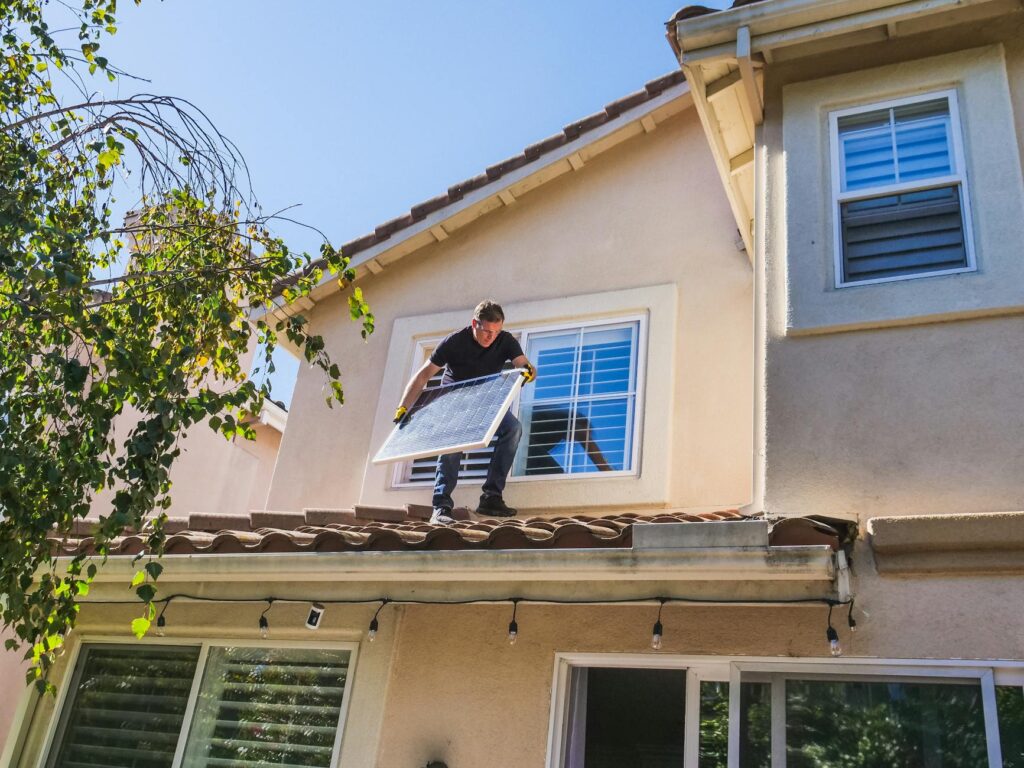
Residents eager to join the movement can start by exploring local Nevada solar co-ops, which offer resources and collective buying power to make solar installations more affordable. Joining a solar co-op not only reduces costs but also connects individuals with like-minded neighbors, fostering a sense of community in the journey toward sustainability.
Another avenue for involvement is through shared solar programs, which allow individuals to invest in larger solar farms and receive credits on their electricity bills for the energy produced. This is particularly beneficial for those who may not have suitable roofs for solar panels or who live in rental properties.
Engaging in community solar initiatives is easier than ever, and the payoff is significant, not just for individual households but for the environment at large. As we embrace the potential of Nevada community solar projects, we can look forward to a cleaner, more sustainable future, one where everyone has a stake in the energy transition.
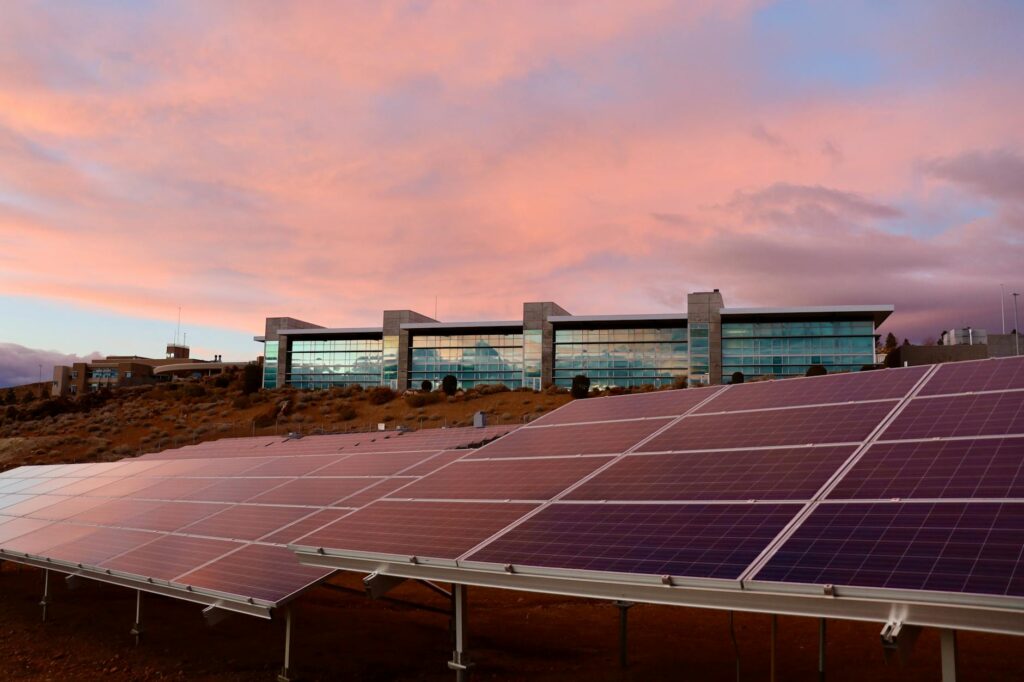
Participating in Nevada community solar projects not only provides individuals and businesses with access to renewable energy but also fosters a sense of community. These initiatives often lead to significant community solar benefits, such as reduced energy costs and increased local job opportunities. With the rise of Nevada solar co-ops and shared solar programs, more residents can enjoy the advantages of solar energy without the need for personal installations.
If you’re interested in harnessing the power of the sun while making a positive impact on your community, consider exploring local Nevada community solar projects. Engaging with Nevada solar co-ops can further enhance your understanding and participation in these programs. Take the next step by researching available projects in your area and see how you can contribute to a cleaner, greener future for Nevada.
What are the benefits of community solar projects?
Community solar projects offer numerous benefits, including increased access to renewable energy for those who may not have the means to install solar panels on their own properties. These projects can lower electricity bills, provide environmental advantages by reducing reliance on fossil fuels, and foster community engagement. Additionally, Nevada community solar projects can stimulate local economies by creating jobs in construction and maintenance.
How do Nevada solar co-ops work?
Nevada solar co-ops are community-driven groups that allow residents to collectively invest in solar energy systems. These co-ops negotiate lower prices for solar installations, making solar energy more affordable. Members benefit from shared resources and knowledge, which simplifies the process of going solar. This collaborative effort not only reduces costs but also enhances community ties.
What is a shared solar program?
A shared solar program allows multiple participants to benefit from a single solar energy installation. This model is especially beneficial for individuals who cannot install solar panels on their own properties, such as renters or those with unsuitable roofs. Participants receive credits on their electricity bills based on their share of the energy produced, making it an accessible way to support renewable energy.
Can renters participate in community solar?
Yes, renters can participate in community solar projects. These initiatives are designed to be inclusive, allowing individuals who do not own property to benefit from solar energy. By joining shared solar programs, renters can support renewable energy efforts and potentially save on their electricity bills, making solar power accessible to a broader audience.
What are the cost savings from community solar projects?
Cost savings from community solar projects can vary based on the program and individual usage. Generally, participants may see reductions in their electricity bills through credits earned from the solar energy produced. These savings can add up over time, making community solar an economically attractive option for many households, especially in states like Nevada where solar energy is abundant.
How can I join a Nevada solar co-op?
To join a Nevada solar co-op, individuals can start by researching existing co-ops in their area. Many co-ops have websites or social media pages where they provide information about membership. Interested individuals can attend informational meetings or reach out directly to co-op organizers. Joining a co-op typically involves signing a membership agreement and participating in the collective decision-making process.