
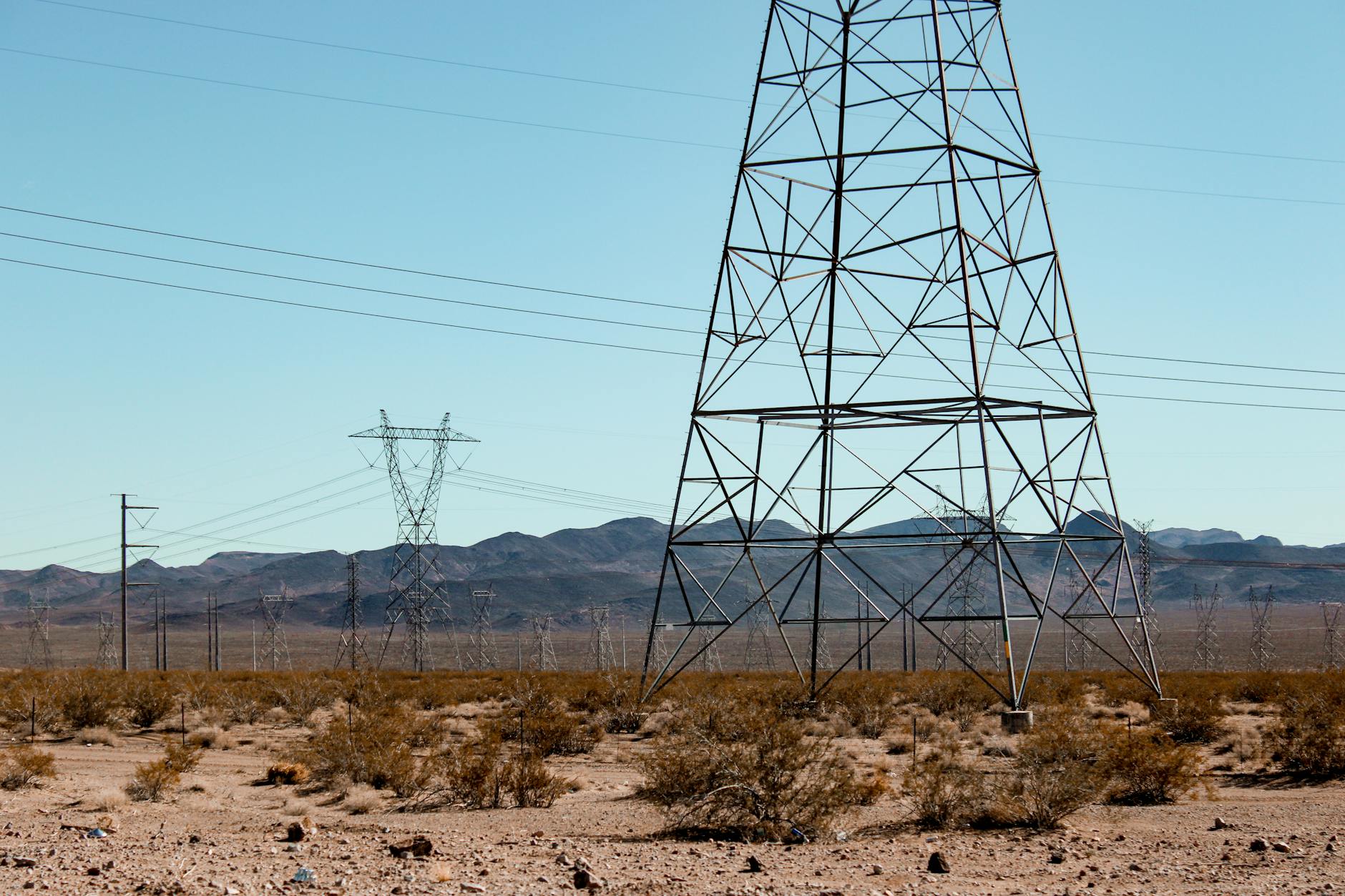
Nevada’s role in the energy imbalance market is pivotal as it provides innovative solutions for managing energy supply and demand across the region. The Nevada energy imbalance market (EIM) plays a crucial part in optimizing resources, reducing costs, and enhancing reliability for consumers. This article will delve into the intricacies of the Nevada energy imbalance market, exploring how it integrates with the broader Western EIM Nevada framework and contributes to regional energy solutions. We will also examine the various energy market policies that shape its operations, the challenges that stakeholders face, and the counterpoints to its effectiveness. Lastly, we’ll take a look at the future of the Nevada energy imbalance market and its potential for further growth and innovation. As we navigate through these topics, we aim to provide a comprehensive understanding of how Nevada is becoming a leader in the evolving landscape of energy management. For more insights into renewable energy initiatives, visit NREL and explore energy.gov for detailed energy policies.
Understanding the Nevada Energy Imbalance Market
What is the Energy Imbalance Market?
The Energy Imbalance Market (EIM) is a powerful tool designed to optimize the use of renewable energy across various regions. It allows utilities to buy and sell excess energy in real-time, addressing fluctuations in electricity demand and generation. This market is particularly crucial as it helps balance supply and demand, ensuring that consumers have reliable access to energy while minimizing waste. By leveraging advanced technology and data analytics, the EIM can respond dynamically to changing conditions, promoting a more efficient energy grid.
The Nevada energy imbalance market operates within the larger framework of the Western EIM, which includes several states across the western United States. By participating in this market, Nevada not only enhances its own energy security but also contributes to a more integrated regional energy solution. The EIM facilitates the sharing of renewable resources, such as solar and wind energy, across state lines, enabling better resource allocation and reducing reliance on fossil fuels.
The Importance of Nevada in the Western EIM
Nevada’s geographic and economic significance in the Western EIM cannot be overstated. Positioned centrally within the western US, Nevada acts as a critical hub for energy distribution, connecting states that rely heavily on renewable resources. With its abundant sunlight, Nevada has the potential to generate significant solar energy, which can be shared with neighboring states during peak demand times. This synergy not only helps stabilize the grid but also aligns with broader energy market policies aimed at reducing greenhouse gas emissions.
Additionally, Nevada’s participation in the EIM enhances its economic prospects. The state stands to benefit from increased investment in renewable energy projects, creating jobs and stimulating local economies. By embracing the Nevada energy imbalance market, the state positions itself as a leader in sustainable energy practices, attracting businesses and consumers who prioritize environmentally-friendly solutions.
However, some critics argue that dependence on a regional energy market may lead to vulnerabilities, particularly during extreme weather events. They suggest that localized solutions should be prioritized to avoid disruptions in energy supply. While there is merit to this perspective, the collaborative nature of the EIM can actually buffer against such risks by diversifying energy sources and improving overall grid resilience.
As Nevada continues to develop its energy infrastructure, the state must navigate the balance between local autonomy and regional collaboration. The Western EIM presents an opportunity for Nevada to not only bolster its energy security but also champion innovative solutions that can serve as a model for other states.

Ultimately, the Nevada energy imbalance market represents a forward-thinking approach to energy management, one that could pave the way for a cleaner, more efficient energy future. By embracing this regional framework, Nevada is not just reacting to the challenges of today’s energy landscape; it is actively shaping a sustainable and economically viable tomorrow.
Nevada’s Contributions to Regional Energy Solutions
Nevada Energy Imbalance Market: Innovative Energy Market Policies
Nevada stands out in the energy landscape due to its progressive energy market policies that bolster its role in the Nevada energy imbalance market. The state has implemented a series of innovative measures aimed at promoting renewable energy sources while ensuring grid reliability. One such policy is the Renewable Portfolio Standard (RPS), which mandates that a significant portion of the energy produced in the state comes from renewable sources, such as solar and wind. This not only positions Nevada as a leader in clean energy but also enhances its capability to contribute to regional energy solutions.
Furthermore, Nevada’s commitment to energy efficiency is evident through various programs that incentivize consumers and businesses to reduce their energy consumption. For instance, the state’s energy efficiency resource standard requires utilities to achieve specific energy savings targets, ultimately benefiting the broader energy market. These policies create a robust framework that allows Nevada to effectively integrate into the Western Energy Imbalance Market (Western EIM Nevada) while enhancing its energy resilience.
Collaborative Efforts with Neighboring States
Collaboration with neighboring states is another cornerstone of Nevada’s strategy in the energy imbalance market. The state has actively participated in initiatives that promote cross-border electricity trading, which not only stabilizes the grid but also optimizes the use of renewable resources across the region. For example, through partnerships with California and other Western states, Nevada can share excess energy during peak production times, effectively managing supply and demand fluctuations.
Moreover, these collaborative efforts extend to joint planning and operational coordination, ensuring that energy market policies are aligned to foster a unified approach to energy management. By working alongside states like Arizona and Utah, Nevada enhances its role in regional energy solutions, enabling it to address challenges such as energy shortages and grid congestion more effectively.
While some may argue that Nevada’s focus on renewable energy could lead to potential over-reliance on intermittent sources, the state’s proactive measures in grid management and energy storage technology mitigate these concerns. By investing in battery storage and smart grid technologies, Nevada not only supports its own energy needs but also contributes to a more stable and sustainable energy framework for the entire region.
The Nevada energy imbalance market is not just about balancing supply and demand; it is a testament to Nevada’s innovative spirit and commitment to a sustainable energy future. As the state continues to implement forward-thinking policies and collaborate with its neighbors, it is poised to play a pivotal role in shaping a resilient energy landscape that benefits all.

Challenges and Counterpoints in the Nevada Energy Imbalance Market
Critiques of Nevada’s Energy Market Policies
While the Nevada energy imbalance market has garnered attention for its potential benefits, it is crucial to address the critiques of current energy market policies that underpin this initiative. Critics argue that Nevada's regulatory framework is not sufficiently robust to ensure equitable participation in the Western EIM Nevada. For instance, the focus on renewable energy integration, while admirable, may inadvertently disadvantage traditional energy sources, leading to a market imbalance that could affect reliability and cost for consumers. Moreover, some point out that Nevada's energy policies may prioritize short-term gains over long-term sustainability. The rapid push for renewables could compromise the stability of energy supply, particularly during peak demand periods. This concern is amplified by the intermittent nature of renewable sources like solar and wind, which may not always align with consumption patterns. Consequently, the state's energy market policies might require a more balanced approach that considers the integration of diverse energy sources to maintain reliability.
Addressing Concerns Over Energy Reliability
Reliability remains a significant concern as Nevada integrates into the Western EIM. Critics highlight the potential for systemic risks that arise from relying heavily on a regional energy market. As energy transactions occur in real-time across multiple states, any disruption, be it due to weather events or infrastructure issues, can lead to cascading failures. This interconnectedness raises questions about whether Nevada's grid can effectively manage these risks while maintaining service continuity for its residents. Furthermore, the state's commitment to ambitious renewable energy targets may leave it vulnerable during transitional periods. The challenge lies in ensuring that energy storage and backup systems are in place to support demand when renewable generation is low. Without adequate infrastructure improvements and contingency planning, the Nevada energy imbalance market could struggle to deliver reliable energy solutions. Ultimately, while the vision for Nevada's role in the energy imbalance market is promising, it is essential to acknowledge the critiques surrounding energy market policies and reliability. Developing regional energy solutions that encompass a diverse energy mix, alongside robust regulatory oversight, will be vital in addressing these challenges and ensuring a sustainable, reliable energy future for Nevada.

The Future of the Nevada Energy Imbalance Market
The Nevada energy imbalance market is at a pivotal point in its evolution, with promising developments on the horizon. As the demand for clean and flexible energy solutions grows, Nevada’s role within the Western Energy Imbalance Market (Western EIM) is set to expand significantly. This future is driven by technological innovations, proactive energy market policies, and a commitment to regional energy solutions that can enhance efficiency and sustainability.
Potential Developments and Innovations in the Nevada Energy Imbalance Market
Technological advancements will be key to the future of the Nevada energy imbalance market. For instance, the integration of artificial intelligence and machine learning in energy management systems can lead to more precise demand forecasting and load balancing. These innovations will allow for better real-time decision-making, optimizing the use of renewable resources like solar and wind, which Nevada has in abundance.
Moreover, energy storage technologies, like advanced battery systems, are becoming increasingly viable. They can store excess energy generated during peak production times and release it during high-demand periods. This capability will not only stabilize the grid but also reduce reliance on fossil fuels, aligning with Nevada’s sustainability goals.
On the policy front, state regulators and lawmakers must continue to support and refine energy market policies that facilitate participation in the Western EIM. By promoting incentives for renewable energy projects and investing in grid modernizations, Nevada can attract more stakeholders into the energy imbalance market. This will help create a more robust and interconnected energy landscape across the region.
Strengthening Nevada’s Position in the Western EIM
As these developments unfold, Nevada’s strategic location and resources will further solidify its position within the Western EIM. By enhancing interconnections with neighboring states, Nevada can become a critical hub for renewable energy distribution, benefiting both local consumers and the broader Western region. The state’s commitment to green energy initiatives and innovative technologies will make it an attractive partner for other states looking for reliable and sustainable energy solutions.
However, it’s crucial to acknowledge potential challenges. The transition to a more integrated energy market can be met with resistance from traditional energy stakeholders. There is also the risk of regulatory hurdles that could slow down the implementation of new technologies and policies. Addressing these challenges requires a collaborative approach, engaging various stakeholders, including utilities, policymakers, and consumers, to ensure that the Nevada energy imbalance market evolves in a way that is equitable and beneficial for all.
Ultimately, the future of the Nevada energy imbalance market hinges on a combination of innovative technologies and supportive policies. By embracing these changes and working collaboratively, Nevada can lead the way in creating efficient, sustainable energy solutions that benefit not just its residents but the entire Western region.
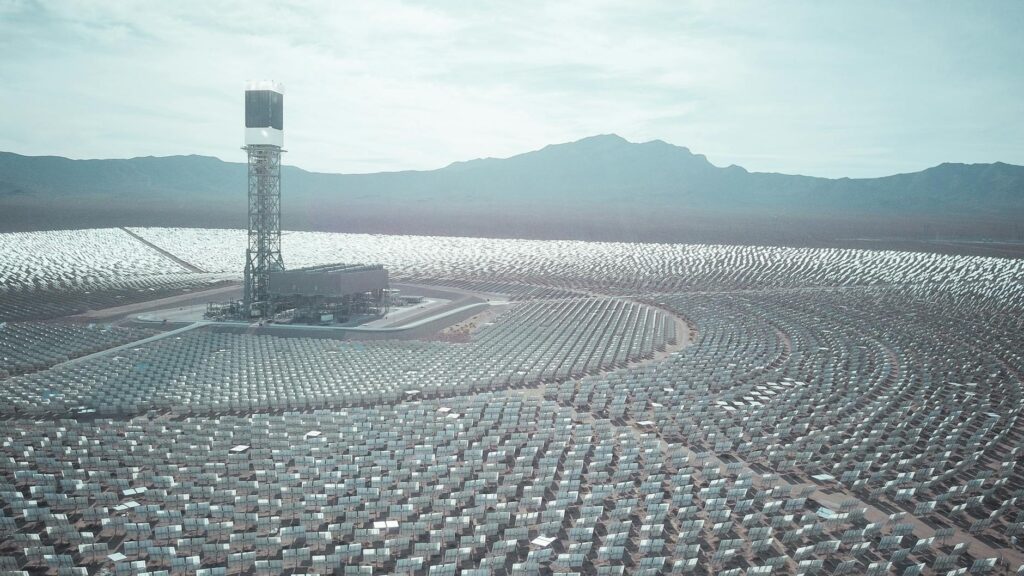
The Nevada energy imbalance market plays a pivotal role in enhancing the efficiency and reliability of energy distribution across the West. By participating in the Western EIM Nevada, stakeholders can leverage real-time data to optimize energy flows and reduce costs, all while adhering to evolving energy market policies. This collaborative approach not only benefits Nevada but also strengthens regional energy solutions that address the pressing demand for sustainable practices.
As the landscape of energy continues to evolve, keeping informed about developments in the Nevada energy imbalance market will be essential for anyone interested in energy policy and sustainability. Whether you are a policymaker, a business leader, or simply a concerned citizen, exploring how these systems can be enhanced will contribute to a more resilient energy future. To learn more, consider diving deeper into the latest advancements in energy market policies and how they impact your community.
“`html
What is the Nevada energy imbalance market?
The Nevada energy imbalance market (EIM) is a real-time energy trading platform that allows utilities to buy and sell electricity across the Western U.S. This market helps balance supply and demand efficiently, making it easier for power providers to manage fluctuations in energy use and generation. By participating in the EIM, Nevada enhances its energy reliability and grid stability while benefiting from a larger pool of resources and competitive pricing.
How does Nevada contribute to the Western EIM?
Nevada plays a significant role in the Western EIM by providing valuable renewable energy resources, such as solar and wind power. These resources not only help stabilize the grid but also enable other states to meet their energy needs without relying heavily on fossil fuels. By integrating its energy systems with neighboring states, Nevada contributes to a more resilient and responsive regional energy network.
What are the benefits of energy market policies in Nevada?
Energy market policies in Nevada promote the use of clean energy sources, enhance grid reliability, and encourage competition among energy providers. These policies help reduce costs for consumers, stimulate economic growth, and create jobs in the renewable energy sector. By fostering innovation and development, Nevada’s energy market policies also align with the state’s goals for sustainability and reduced carbon emissions.
How does the energy imbalance market work?
The energy imbalance market operates by allowing participants to submit bids for excess energy or request power when they are short. When there’s a mismatch between supply and demand, the EIM automatically adjusts, dispatching the least-cost resources to maintain system balance. This dynamic trading process occurs in real-time, ensuring that electricity flows where it is needed most, thus optimizing the overall efficiency of the energy market.
What challenges does Nevada face in the energy market?
Nevada faces several challenges in its energy market, including the integration of renewable energy sources, regulatory hurdles, and infrastructure limitations. As the state aims to increase its renewable energy capacity, balancing intermittent resources like solar and wind becomes critical. Additionally, navigating complex interconnections with other states and ensuring equitable access to the EIM are ongoing concerns that require strategic solutions.
What are the future trends for the Nevada energy imbalance market?
The future of the Nevada energy imbalance market looks promising, with expected growth in renewable energy integration and technological advancements. As more states join the EIM, Nevada can benefit from enhanced collaboration and shared resources. Additionally, increasing demand for clean energy solutions will drive innovation in energy market policies, further strengthening Nevada’s position as a leader in regional energy solutions.
“`