
The Nevada net metering policy is a vital aspect for homeowners considering solar energy in the Silver State. This policy allows residents to receive credit for the excess electricity their solar panels generate, essentially turning their energy meters backward. In this article, we’ll delve into the intricacies of the Nevada net metering policy, exploring its definition, benefits, and how it contributes to the growing solar market in the state. We’ll also discuss enticing home solar incentives available for homeowners, making solar energy more accessible and appealing. However, it’s essential to understand the challenges and counterpoints surrounding net metering Nevada, as these can impact your decision-making process. Finally, we’ll look ahead to the future of solar net metering Nevada and how potential changes might affect homeowners. Whether you’re a seasoned solar advocate or just starting your journey, this guide will provide you with the knowledge you need to navigate Nevada’s solar landscape.
What is the Nevada Net Metering Policy?
Understanding Net Metering
At its core, net metering is a billing arrangement that allows homeowners who generate their own electricity using renewable sources, like solar panels, to receive credit for the surplus energy they produce. This is particularly significant in Nevada, where the abundant sunshine makes solar energy a viable option for many residents. The Nevada net metering policy enables homeowners to offset their electricity costs, leading to substantial savings over time.
When homeowners install solar panels, they can produce more electricity than their home consumes during sunny days. Instead of losing that excess energy, net metering allows them to send it back to the grid. In return, they receive energy credits that can be used to offset future electricity bills, particularly during months when their solar production may be lower, such as winter. This arrangement not only encourages the adoption of renewable energy but also fosters a more sustainable energy landscape in Nevada.
How the Policy Works
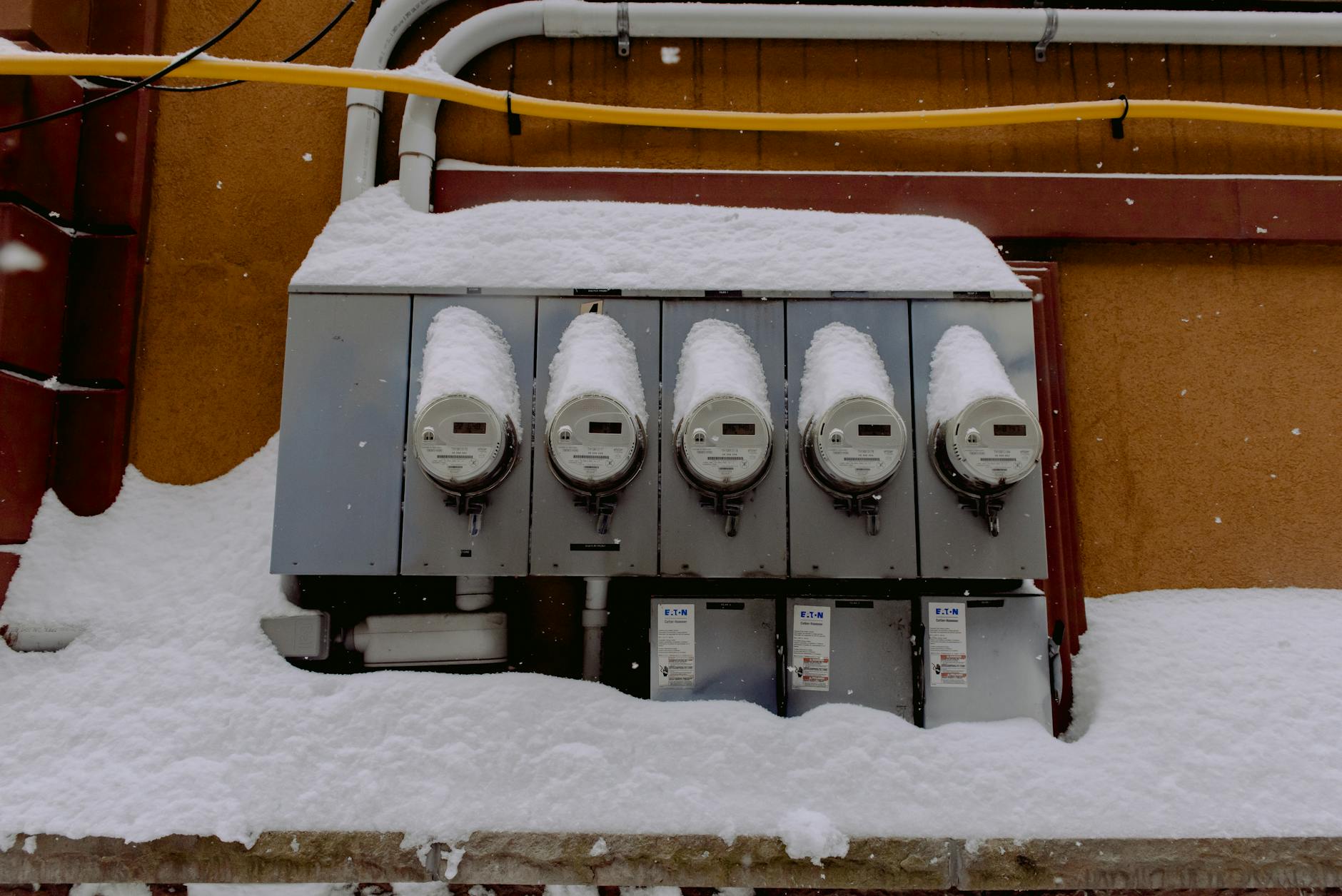
The mechanics of the Nevada net metering policy are straightforward yet impactful. Homeowners with solar systems are connected to the local utility grid, and their energy production is monitored through a bi-directional meter. This meter tracks both the electricity consumed from the grid and the electricity sent back to it.
During billing cycles, homeowners receive credits for the surplus electricity generated. If a homeowner produces more energy than they consume, the excess is credited at a rate set by the utility. This is where the financial benefits of solar net metering Nevada come into play. The credits can be rolled over month to month, allowing homeowners to draw upon them when needed, ultimately leading to lower monthly bills.
However, it’s important to note that there have been discussions around adjustments to the net metering rates, which could impact the financial incentives for new solar installations. Some argue that these changes may discourage future investments in solar energy, while others believe they are necessary to ensure grid stability and fair compensation for utility companies. As a homeowner considering the switch to solar, understanding these dynamics is crucial in making informed decisions about your energy future.
In this context, exploring home solar incentives available in Nevada is vital. The combination of net metering and various incentives can significantly enhance the financial viability of solar energy for homeowners, making it an attractive option for those looking to reduce their carbon footprint and energy costs.
Benefits of Net Metering in Nevada
Financial Savings from the Nevada Net Metering Policy
The Nevada net metering policy offers significant financial benefits for homeowners who invest in solar energy systems. By allowing homeowners to receive credits for the excess electricity they generate, this policy effectively reduces their overall electricity bills. For instance, if your home solar system produces more energy than you consume, the surplus is sent back to the grid, and you earn credits that can offset future utility bills. This means that during high-energy usage months, you might not have to pay a dime for electricity.
Furthermore, these credits can accumulate over time, leading to potential earnings for homeowners who produce more energy than they use. According to the Nevada Energy, participating homeowners can save hundreds to thousands of dollars annually, depending on their solar system’s size and energy consumption patterns. Additionally, the state offers various home solar incentives that can further enhance these savings, making solar energy an increasingly attractive option.
Environmental Impact of Solar Net Metering in Nevada
Beyond the financial perks, the environmental benefits of solar net metering Nevada cannot be overstated. By utilizing solar energy, homeowners contribute to a sustainable and cleaner energy future. Solar power is a renewable energy source that significantly reduces greenhouse gas emissions compared to traditional fossil fuels. According to the EPA, every kilowatt-hour of solar energy generated helps decrease the reliance on non-renewable resources, thus lowering the overall carbon footprint.
Moreover, as more homeowners adopt solar energy through net metering Nevada, the cumulative effect can lead to a substantial reduction in air pollution and contribute to a healthier environment for future generations. This aligns perfectly with Nevada’s goals to promote renewable energy and combat climate change.
While some may argue that the initial investment for solar systems is high, the long-term savings and environmental impact make a compelling case for adopting the Nevada net metering policy. By choosing solar energy, homeowners are not only saving money but also playing a crucial role in fostering a greener planet.

In essence, the Nevada net metering policy serves as a pivotal mechanism that supports both economic savings and environmental stewardship. Embracing this policy means investing in your home and the planet, making it a win-win for everyone involved.
Home Solar Incentives in Nevada
When considering solar energy for your home, it’s essential to recognize the substantial home solar incentives available in Nevada. These incentives not only make solar energy more accessible but also significantly reduce the financial burden of installing solar systems. The Nevada net metering policy supports this transition, allowing homeowners to benefit from reduced energy costs while contributing to a more sustainable future.
State and Federal Incentives
Homeowners in Nevada can take advantage of a variety of state and federal incentives designed to promote solar energy adoption. At the federal level, the Solar Investment Tax Credit (ITC) allows homeowners to deduct 30% of the cost of their solar system from their federal taxes. This incentive is a major draw for potential solar customers, making the initial investment in solar much more manageable.
On the state level, Nevada offers additional benefits, such as the Renewable Energy Systems Tax Abatement, which exempts homeowners from property taxes on the value added by their solar systems. Furthermore, many local utilities provide rebates for solar installations, which can further offset costs. For instance, NV Energy offers a solar rebate program that rewards homeowners based on the size of their solar systems, making it an attractive option for those looking to go solar.
Understanding the Nevada Net Metering Policy
The Nevada net metering policy complements these incentives by allowing homeowners to sell excess energy generated by their solar systems back to the grid. This means that when your solar panels produce more electricity than your home uses, you can receive credits that reduce your future energy bills. This policy not only incentivizes solar adoption but also fosters a community-oriented approach to energy consumption.
However, some critics argue that changes to net metering regulations could reduce the financial benefits for new solar adopters. It’s essential to stay informed about potential legislative changes that might impact solar net metering in Nevada. Nevertheless, the existing framework still provides substantial savings and encourages homeowners to invest in renewable energy.
Ultimately, the combination of state and federal incentives, along with the supportive net metering Nevada policy, creates a robust environment for solar energy adoption. Homeowners are not only able to reduce their carbon footprint but also benefit financially from these programs, paving the way for a greener Nevada.

Challenges and Counterpoints to Net Metering
Debates Surrounding Nevada Net Metering Policy
The Nevada net metering policy has sparked significant debate, particularly regarding its sustainability and fairness. Critics argue that changes to compensation rates can undermine the financial benefits for homeowners who invest in solar energy systems. For instance, a recent adjustment in compensation rates reduced the credits solar customers receive for the energy they feed back into the grid, making it less appealing for new adopters. This shift raises questions about the long-term viability of solar investments, especially when homeowners are encouraged to adopt renewable energy through various
home solar incentives. Moreover, there's a concern that solar net metering in Nevada disproportionately impacts non-solar customers. The argument here is that those without solar panels end up subsidizing the grid maintenance costs associated with solar energy distribution. As more homeowners adopt solar, the fixed costs of maintaining the grid must be shared among a smaller group of customers, potentially leading to increased rates for those who choose not to invest in solar technology.
Potential Drawbacks for Homeowners
While the initial financial benefits of solar installations can be enticing, some potential drawbacks should be acknowledged. For example, the fluctuating compensation rates can lead to uncertainty for homeowners who might not see the expected return on their investment. Additionally, the initial costs of solar installation can be prohibitive, despite the existence of
home solar incentives. This can deter low- and middle-income families from participating in the solar market, further exacerbating the socioeconomic divides in access to clean energy. However, these challenges can be addressed through thoughtful policy adjustments. For instance, implementing a tiered compensation structure based on energy consumption could help balance the financial impacts on both solar and non-solar customers. Additionally, expanding access to financing options and educational resources about solar net metering in Nevada could empower more homeowners to make informed decisions about solar adoption. Ultimately, the Nevada net metering policy must evolve to ensure its continued success and fairness for all stakeholders involved. As discussions around solar energy and its implications continue, it’s crucial for policymakers to consider both the advantages and challenges of this growing renewable energy sector.

The Future of Nevada‘s Net Metering Policy
Policy Changes on the Horizon for Nevada Net Metering Policy
The evolution of Nevada’s net metering policy is poised for significant changes, and these alterations could greatly influence homeowners considering solar energy. Currently, the state is navigating a complex landscape of policy proposals and legislative discussions aimed at updating its solar net metering framework. As the demand for renewable energy grows, so does the pressure on legislators to create a more equitable system that benefits both homeowners and utility companies alike.
Recent discussions have suggested that lawmakers may consider reforms that could enhance compensation for excess energy produced by home solar systems. This is a response to the concerns raised by many homeowners who feel that the current rates do not adequately reflect the value of the energy they contribute to the grid. For instance, a study by the Nevada Public Utilities Commission highlights that solar energy provides substantial benefits, including reduced grid strain and lower wholesale energy prices.
What Homeowners Should Expect from Future Changes
Homeowners should stay informed as these discussions evolve and be prepared for potential changes to the net metering Nevada policy. As the legislative session progresses, updates can be found through reputable sources such as the Nevada Legislature website or local news outlets. Engaging with community solar advocacy groups can also provide insights into upcoming changes and how they might affect home solar incentives.
While there are promising prospects, some counterpoints deserve consideration. Utility companies often argue that higher compensation for solar energy could lead to increased rates for all customers. This debate underscores the need for a balanced approach to ensure that both solar energy producers and non-solar customers are treated fairly. Homeowners must weigh these factors as they make decisions about investing in solar technology.
As the landscape of Nevada’s net metering policy continues to change, one thing remains certain: the push for renewable energy is stronger than ever. Homeowners who harness this momentum can contribute to a sustainable future while potentially saving on energy costs. Staying informed and engaged will be key in navigating the evolving policies that affect solar energy in the Silver State.

Understanding the Nevada net metering policy is essential for homeowners considering solar energy. With the right knowledge, you can take advantage of solar net metering Nevada and significantly reduce your electricity bills. This policy allows you to receive credits for the excess energy your solar panels generate, making your home solar investment even more appealing. Don’t forget to explore available home solar incentives that can further enhance your savings.
As you navigate the net metering Nevada landscape, remember that staying informed is key. Regulations can evolve, so regularly checking for updates will ensure you maximize your benefits. If you haven’t already, reach out to local solar providers to discuss how the Nevada net metering policy can work for you. They can offer tailored advice and help you start your journey toward sustainable energy today.
“`html
What is net metering in Nevada?
Net metering in Nevada is a billing arrangement that allows homeowners with solar energy systems to receive credits for the excess electricity they generate and feed back into the grid. This means that when your solar panels produce more energy than your home consumes, the surplus is sent to the utility company, and you earn credits that can offset future electricity bills. This system promotes clean energy use and helps homeowners save on energy costs.
How does the Nevada net metering policy work?
The Nevada net metering policy allows residential solar system owners to offset their utility costs by generating their own electricity. When solar panels produce more energy than used, the excess is sent to the grid, and homeowners receive credits on their bills. These credits can reduce future bills, providing significant savings. The policy also ensures fair compensation for solar energy contributors, making it an attractive option for homeowners looking to invest in renewable energy.
What are the financial benefits of solar net metering in Nevada?
The financial benefits of solar net metering in Nevada include reduced electricity bills, as homeowners can offset their consumption with solar-generated electricity. Additionally, by generating excess energy, homeowners earn credits that can be used during months with lower solar production. This can lead to long-term savings and a quicker return on investment for solar installations. Moreover, the net metering policy enhances the overall value of homes equipped with solar systems.
Are there any home solar incentives in Nevada?
Yes, Nevada offers various home solar incentives to encourage solar adoption. These include the federal solar investment tax credit (ITC), which allows homeowners to deduct a percentage of their solar installation costs from their federal taxes. Additionally, Nevada has state-specific rebates and programs aimed at making solar energy more accessible and affordable, further enhancing the financial viability of solar investments for homeowners.
What challenges does the Nevada net metering policy face?
The Nevada net metering policy faces challenges such as regulatory changes and debates over compensation rates for solar energy producers. Some utility companies argue that net metering can burden the grid and non-solar customers, leading to calls for reforms. Additionally, evolving state legislation can impact the availability and terms of net metering. Homeowners should stay informed and advocate for fair policies that support solar energy growth in the state.
How can I stay updated on changes to Nevada’s net metering policy?
To stay updated on changes to Nevada’s net metering policy, consider following local news outlets, state government websites, and organizations focused on renewable energy, such as the Nevada Solar Energy Association. Additionally, subscribing to newsletters from solar advocacy groups or joining community forums can provide timely information. Engaging with local solar installers can also offer insights into the latest developments and opportunities in the net metering landscape.
“`