Creating an energy efficiency plan for your Nevada business is more than just a smart move; it’s essential for sustainable growth and reducing operational costs. In an era where energy consumption directly impacts the environment and the bottom line, having a solid business energy strategy is crucial. This article will guide you through the importance of an energy management plan tailored for Nevada’s unique landscape, offering practical steps to develop an effective energy efficiency plan for your Nevada business. You’ll learn how to implement sustainable business practices that not only save energy but also enhance your brand’s reputation. Additionally, we’ll discuss how to measure and adjust your energy efficiency plan to ensure ongoing success, as well as strategies for overcoming common challenges faced during the planning process. By the end of this read, you’ll be equipped with the knowledge to position your business as a leader in energy efficiency in Nevada, paving the way for a brighter, more sustainable future. To dive deeper, check out resources from NV Energy and U.S. Department of Energy.
Understanding the Importance of an Energy Efficiency Plan for Nevada Businesses
Why Energy Efficiency Matters
The quest for energy efficiency is not just a trend; it’s a necessity for Nevada businesses aiming to thrive in an increasingly competitive landscape. As the state grapples with rising energy costs and environmental concerns, the implementation of an energy efficiency plan Nevada business is becoming crucial. Businesses that prioritize energy efficiency not only reduce their operational costs but also position themselves as leaders in sustainable business practices. This is vital in an era where consumers and stakeholders are increasingly favoring companies that demonstrate environmental responsibility.
Benefits of an Energy Management Plan
Adopting an energy management plan presents a plethora of benefits. Firstly, it can lead to significant cost savings. According to the U.S. Department of Energy, businesses can save 20 to 30 percent on energy costs by implementing energy-efficient measures. This not only improves the bottom line but also enhances a company’s business energy strategy. Additionally, energy efficiency contributes to a healthier environment, reducing greenhouse emissions and conserving resources.
Moreover, an energy efficiency plan can serve as a competitive differentiator. By showcasing commitment to sustainable business practices, companies can attract a customer base that values environmental stewardship. This is increasingly important as consumers become more conscious about their purchasing decisions.
While some may argue that upfront costs for implementing energy-efficient technologies can be daunting, it’s essential to view these investments as long-term savings. Many financing options and incentives are available in Nevada, allowing businesses to offset initial expenditures. When calculated over time, the return on investment can be substantial, making it clear that an effective energy management plan is not merely an expense but a strategic advantage.

In embracing an energy efficiency plan, Nevada businesses can not only lower their energy consumption but also enhance their reputation and sustainability efforts. The time is now for businesses to take action and integrate energy efficiency into their core strategies to ensure a prosperous future.
Steps to Create an Effective Energy Efficiency Plan for Your Nevada Business
Conducting an Energy Audit
To kickstart your energy efficiency plan for your Nevada business, the first step is conducting a thorough energy audit. This essential process will help you pinpoint areas where energy consumption can be reduced, ultimately saving you money and resources. Start by gathering historical energy usage data from utility bills, which can reveal trends and highlight any anomalies. Consider hiring a professional auditor who can provide insights into your building’s energy systems.
During the audit, evaluate lighting, HVAC systems, and appliances to determine their energy efficiency levels. Look for simple fixes, like switching to LED lighting or installing programmable thermostats. You’ll also want to inspect insulation and windows to assess how well they retain heat and cool air. Document your findings, as this information will be crucial for setting measurable goals later on. 
Setting Clear Energy Efficiency Goals in Your Energy Management Plan
Once the audit is complete, the next step involves setting clear, measurable goals within your energy management plan. These objectives should align with your overall business energy strategy, focusing on realistic and attainable outcomes. For instance, you might aim to reduce energy consumption by 20% over the next three years or increase the use of renewable energy sources by a specific percentage.
Having defined goals not only helps in tracking progress but also motivates your team to embrace sustainable business practices. Regularly monitor these goals and adjust your strategies as necessary to ensure continuous improvement. Remember, the ultimate aim is to create a culture of energy efficiency within your organization, leading to long-lasting benefits.
Implementing Sustainable Business Practices
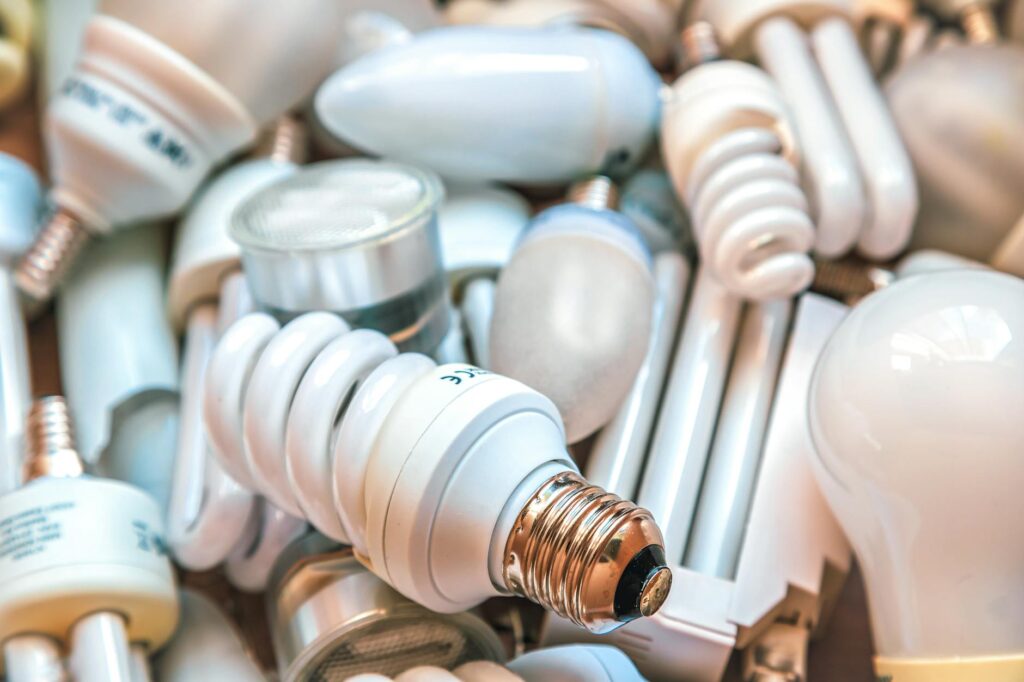
Creating an effective energy efficiency plan for your Nevada business goes beyond just numbers; it requires a commitment to sustainable business practices that resonate throughout your organization. The role of technology is pivotal in this transformation, as incorporating energy-efficient technologies can significantly reduce energy consumption and costs. Smart sensors, for example, can monitor lighting and HVAC systems, adjusting them based on occupancy and time of day. According to the U.S. Department of Energy, upgrading to LED lighting can save businesses up to 75% on energy costs compared to traditional incandescent bulbs. This makes a compelling case for any business energy strategy aimed at long-term sustainability.
However, investing in technology alone won’t create a culture of energy efficiency. Employee engagement and training are crucial for ensuring that everyone understands and actively participates in the energy management plan. Without proper knowledge and motivation, even the most advanced systems can be underutilized. Regular training sessions can educate staff on the importance of energy efficiency and how their roles contribute to the overall energy efficiency plan for a Nevada business. Initiatives such as energy conservation competitions or awareness campaigns can foster a sense of ownership among employees, further enhancing their commitment to sustainable business practices.
Engaging Employees in Your Energy Efficiency Plan for Nevada Business
While the benefits of technology in energy efficiency are clear, it is equally important to acknowledge the potential resistance from employees who may be accustomed to traditional methods. Some may view new technologies as an unnecessary complication rather than a tool for improvement. Addressing these concerns through transparent communication and providing clear examples of how these changes will benefit both the organization and the environment can help ease the transition.
a successful energy efficiency plan for your Nevada business hinges on a balanced approach that integrates cutting-edge technology with active employee participation. By prioritizing both elements, companies can not only achieve their energy-saving goals but also contribute positively to the environment and their bottom line.
Measuring and Adjusting Your Energy Efficiency Plan for Your Nevada Business
To ensure that your energy efficiency plan Nevada business is effective, it’s crucial to measure its performance regularly. Tracking energy consumption allows you to understand how your initiatives are impacting your overall energy use and costs. This tracking can take many forms, from utility bill analyses to using smart meters that provide real-time data. By establishing a baseline of your energy usage before implementing your energy management plan, you can more accurately gauge the effectiveness of your new strategies.
Tracking Energy Consumption
The first step in measuring your energy efficiency plan is to monitor your energy consumption consistently. Utilize energy management software or applications that can help you collect data on usage patterns. By analyzing this data, you can identify peak usage times and areas where energy is wasted. For instance, reports from the U.S. Department of Energy indicate that businesses can reduce energy consumption by 10 to 30 percent by utilizing data-driven insights. This aligns perfectly with your business energy strategy, allowing you to make informed decisions based on actual performance metrics.
Consider conducting periodic energy audits, which can provide a comprehensive overview of your energy use and highlight areas for improvement. Engaging employees through training sessions on sustainable business practices can also enhance energy conservation efforts. 
Making Necessary Adjustments to Your Energy Efficiency Plan Nevada Business
After tracking your energy consumption, it’s essential to make necessary adjustments based on the performance data. If you notice certain strategies yielding less than expected results, don’t hesitate to pivot or refine them. For instance, if energy-efficient lighting is not generating the anticipated savings, you might want to explore alternative solutions like motion sensors or higher-efficiency bulbs.
Moreover, regularly revisiting and updating your energy efficiency plan ensures it evolves with your business needs and technological advancements. By embracing flexibility in your approach and remaining open to new ideas, you can optimize your energy efficiency initiatives continuously. Remember, a robust energy efficiency plan not only reduces costs but also enhances your brand’s reputation as a responsible business in Nevada.
In the end, a proactive approach to measuring and adjusting your energy efficiency plan is vital. With the right tools and a commitment to ongoing improvement, your Nevada business can achieve significant energy savings while promoting sustainable business practices.
Overcoming Common Challenges in Energy Efficiency Planning
Addressing Financial Concerns in Your Energy Efficiency Plan for a Nevada Business
One of the most significant barriers to implementing an energy efficiency plan for your Nevada business is the upfront cost. Many business owners worry that investing in energy-efficient technologies will strain their budget, especially when immediate returns aren’t guaranteed. However, this fear can be mitigated by recognizing that energy efficiency is not merely a cost but an investment. According to the U.S. Department of Energy, businesses can save up to 30% on energy bills by adopting energy-efficient practices.
Moreover, various financing options, such as state incentives and rebates, can ease this financial burden. For instance, programs from NV Energy help offset initial costs, allowing businesses to implement a robust energy management plan without overwhelming financial pressure. By seeing energy efficiency as a long-term strategy that aligns with sustainable business practices, you can create a financially viable plan that pays dividends in the future.
Navigating Regulatory Requirements for Your Energy Efficiency Plan Nevada Business
Another challenge lies in the maze of regulatory requirements. Businesses often assume that compliance with energy efficiency standards is daunting and time-consuming. While regulations can seem complex, they are designed to promote sustainability and efficiency. Understanding local policies, like those from the Nevada Energy Conservation Standards, can actually simplify your planning process.
Consulting with energy efficiency experts or participating in workshops can provide clarity on compliance requirements and how they can be integrated into your business energy strategy. Additionally, many resources are available to help businesses navigate these regulations, turning what seems like a hurdle into an opportunity for growth and compliance.
By proactively addressing financial concerns and regulatory hurdles, businesses can successfully implement an energy efficiency plan that not only mitigates costs but also contributes to a sustainable future. Embracing these challenges will position your business as a leader in energy efficiency and sustainability in Nevada.

Conclusion: The Future of Energy Efficiency Plans for Nevada Businesses
As we look ahead, the significance of an energy efficiency plan Nevada business cannot be overstated. With growing energy costs and increasing environmental concerns, businesses in Nevada have the unique opportunity to lead the charge toward sustainable practices. An effective energy management plan not only reduces operational costs but also enhances a company’s reputation and competitiveness in an ever-evolving marketplace.
Throughout this article, we’ve discussed how an energy efficiency plan can serve as a cornerstone of a robust business energy strategy. The implementation of such plans can yield substantial financial returns while contributing to broader efforts in combating climate change. By adopting sustainable business practices, Nevada companies can tap into potential incentives and rebates that are available through local and federal programs, further bolstering their financial standing.
Some may argue that the upfront costs of developing and executing an energy efficiency plan can be daunting. However, this perspective often overlooks the long-term savings and benefits that arise from smart energy management. Not only do businesses save money on their utility bills, but they also foster a culture of sustainability that resonates with customers and employees alike. This cultural shift is essential in an era where consumers increasingly favor brands that prioritize environmental responsibility.
Ultimately, the future of energy efficiency in Nevada lies in proactive engagement. Businesses that invest in their energy efficiency plan today will be better positioned tomorrow to thrive in a more sustainable economy. By making informed decisions and prioritizing energy management, Nevada businesses can significantly contribute to a greener, more prosperous future. Let’s embrace this opportunity to create lasting change through our commitment to energy efficiency.

Implementing an energy efficiency plan for your Nevada business is not just about reducing costs; it’s about fostering a culture of sustainability that can positively impact your community and the environment. By developing a robust business energy strategy, you can identify areas for improvement and make informed decisions that enhance your company’s bottom line. Additionally, incorporating an energy management plan can streamline operations and help you stay compliant with evolving regulations.
As you embark on this journey toward sustainable business practices, remember that every step counts. Start by assessing your current energy usage and exploring available resources to support your initiatives. Consider reaching out to local energy experts or organizations that specialize in energy efficiency to gain insights tailored to your specific needs. Taking action today can lead to significant benefits down the line, making your business not only more efficient but also a leader in the movement toward a sustainable future.
“`html
What are the key components of an energy efficiency plan?
An effective energy efficiency plan for Nevada businesses includes several key components: an energy audit to assess current usage, identification of energy-efficient technologies, setting measurable goals, and ongoing monitoring of energy consumption. Additionally, it should include staff training to promote sustainable business practices and ensure that everyone is engaged in the process. By integrating these elements, businesses can create a comprehensive strategy that not only reduces energy costs but also enhances overall operational efficiency.
How can I conduct an energy audit for my business?
To conduct an energy audit for your business, start by reviewing your energy bills to understand your consumption patterns. Next, assess your facility’s energy systems, including HVAC, lighting, and appliances. You can perform a self-audit using online resources or hire a professional auditor for a detailed analysis. The audit will identify areas for improvement and recommend specific energy-efficient upgrades. This is a critical step in developing an energy efficiency plan for your Nevada business.
What technologies can improve energy efficiency?
Several technologies can enhance energy efficiency in businesses, including LED lighting, smart thermostats, high-efficiency HVAC systems, and energy management software. These technologies not only reduce energy consumption but also improve operational performance. Renewable energy sources, such as solar panels, can also be integrated into your energy management plan. By adopting these technologies, businesses can achieve significant energy savings while contributing to a more sustainable environment.
How do I set energy efficiency goals for my Nevada business?
Setting energy efficiency goals involves analyzing your current energy usage and identifying specific areas for improvement. Start by benchmarking your energy consumption against industry standards. Then, set realistic and measurable targets, such as reducing energy use by a specific percentage or increasing the use of renewable energy sources. It’s important to engage your team in this process to ensure everyone is aligned and motivated to achieve these goals as part of your overall energy management plan.
What are the financial benefits of an energy efficiency plan?
Implementing an energy efficiency plan can lead to significant financial benefits for your business, including reduced energy bills, lower operational costs, and potential tax incentives. Additionally, energy-efficient practices can enhance your company’s reputation, attracting customers who value sustainability. Over time, the initial investment in energy-efficient technologies often pays for itself through cost savings, making it a smart business energy strategy.
Are there any incentives for energy efficiency improvements in Nevada?
Yes, Nevada offers various incentives for businesses that pursue energy efficiency improvements. These may include rebates for energy-efficient equipment, tax credits, and grants from local utility companies. The Nevada Governor’s Office of Energy provides resources and information on available programs. Taking advantage of these incentives can significantly reduce the upfront costs associated with implementing an energy efficiency plan for your Nevada business.
“`