Energy-saving technologies for Nevada small businesses are not just a trend; they are essential for creating sustainable and efficient operations. With rising energy costs and growing environmental concerns, adopting smart energy solutions can significantly benefit your bottom line while reducing your carbon footprint. This article explores various technology for energy savings that can streamline your business operations, improve efficiency, and enhance profitability. We will delve into the importance of implementing business tech for efficiency, tackling common challenges and misconceptions surrounding energy-saving technologies. Additionally, we’ll share inspiring case studies showcasing successful implementation of energy-saving technologies in Nevada, illustrating that these innovations are not just theoretical but practical and effective. By understanding and embracing these solutions, Nevada small businesses can look forward to a brighter, more energy-efficient future. Whether you are just starting your energy-saving journey or looking to enhance your current efforts, this guide will equip you with the knowledge and resources to make informed decisions.
Why Energy-Saving Technologies Are Essential for Nevada Small Businesses
The Benefits of Energy-Efficiency
Energy-saving technologies in Nevada small businesses are not just nice to have; they are essential for financial sustainability and environmental responsibility. With rising energy costs, small businesses can significantly reduce their overhead by implementing smart energy solutions. For instance, energy-efficient lighting, HVAC systems, and smart thermostats can help save up to 30% on energy bills. This is a substantial amount that can be redirected toward growth initiatives or employee benefits, ultimately enhancing the bottom line.
Moreover, adopting technology for energy savings can improve operational efficiency. Many energy-efficient products come equipped with monitoring tools that allow businesses to track energy usage in real-time. This kind of business tech for efficiency not only streamlines operations but also fosters a culture of sustainability among employees, which can enhance company morale and attractiveness to eco-conscious consumers.
The Nevada Energy Landscape
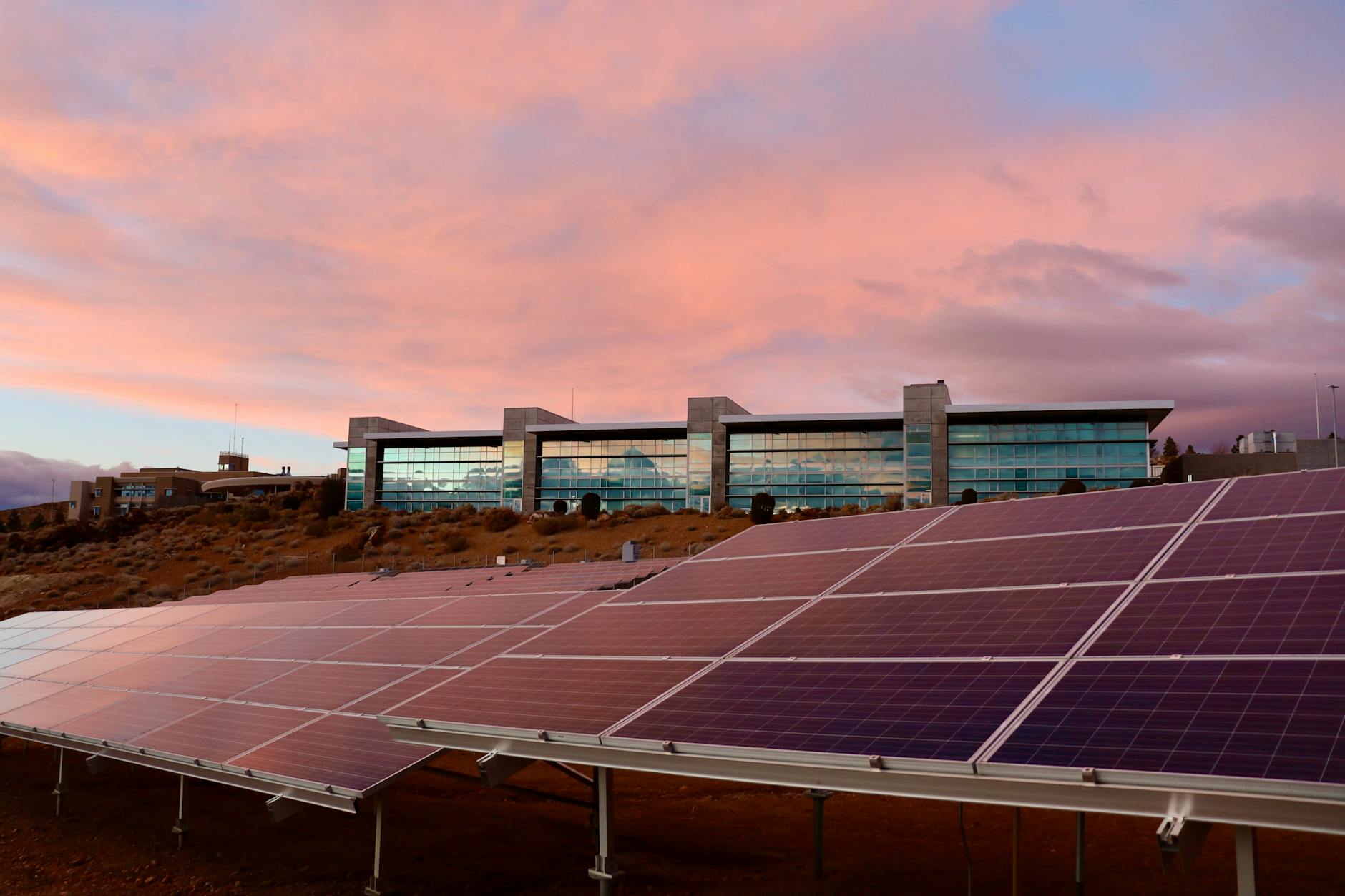
Nevada’s unique energy landscape presents both challenges and opportunities for small businesses. With abundant sunshine and a growing focus on renewable energy, Nevada offers a variety of incentives for businesses that adopt energy-saving technologies. Programs like NV Energy’s Energy Efficiency Program provide financial support and rebates for small businesses looking to invest in energy-efficient upgrades. This means that the initial investment in energy-saving technologies can be offset by these incentives, making it more accessible for small business owners.
In a state where energy costs can be unpredictable, aligning with sustainable practices not only benefits the environment but also positions businesses to be more resilient in the face of fluctuating energy prices. By leveraging local resources and incentives, Nevada small businesses can effectively navigate the challenges posed by energy consumption while contributing positively to the community.
Incorporating energy-saving technologies is not just about cutting costs; it’s about setting a precedent for sustainable business practices that can lead to long-term success. Nevada small businesses have the unique opportunity to harness both technology and local incentives to create a more sustainable future. Embracing these innovations can lead to a win-win situation for business owners and the environment alike.
Exploring Smart Energy Solutions for Your Business
Innovative Technologies for Energy Savings
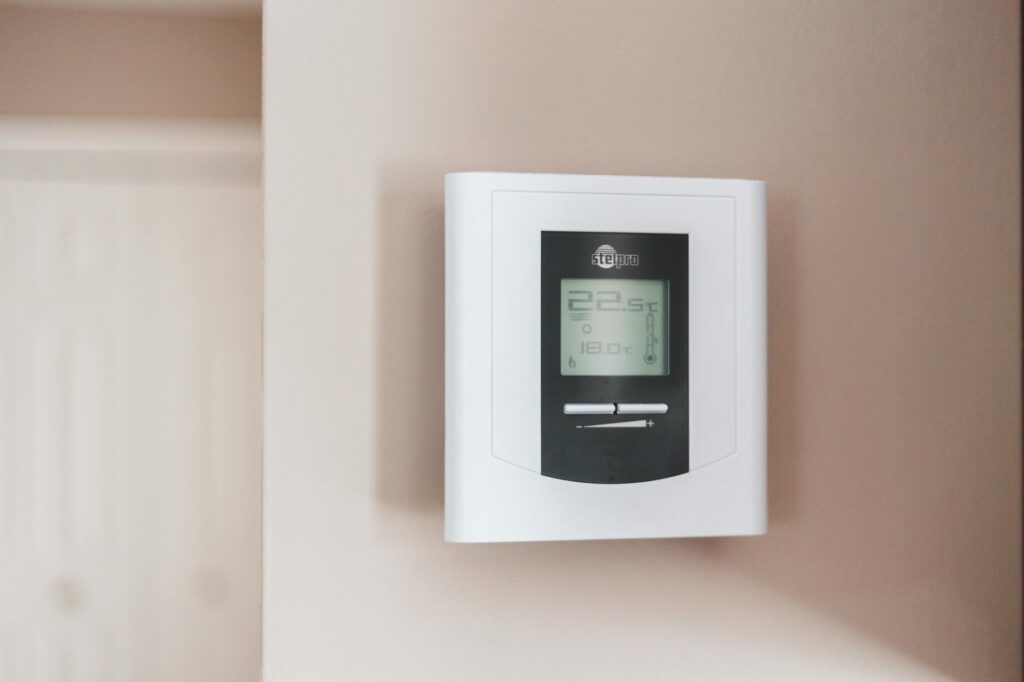
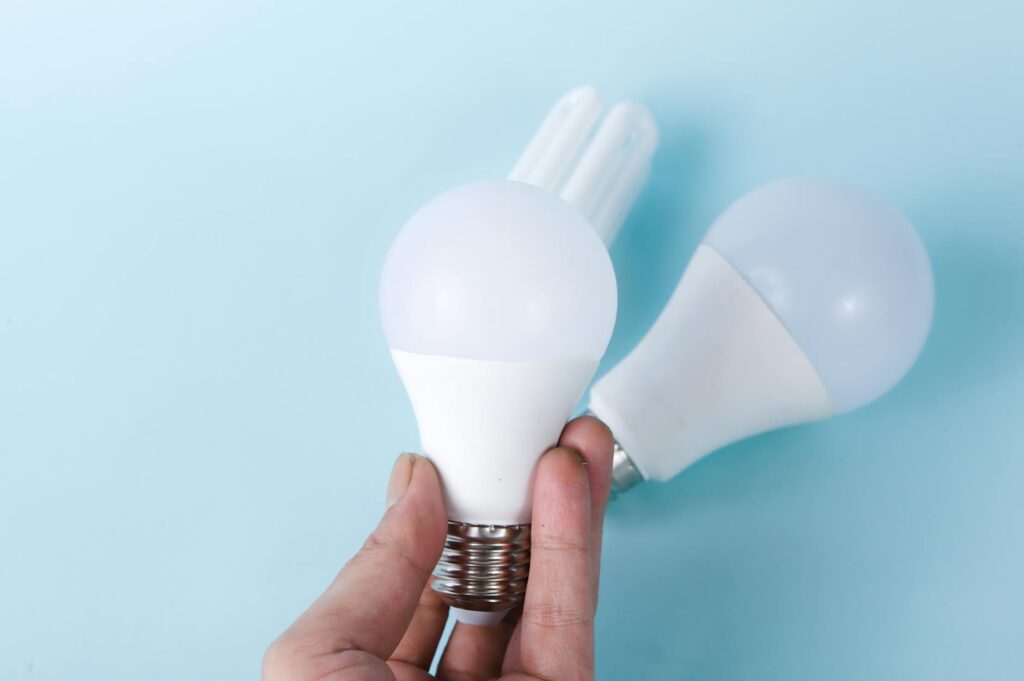
As Nevada small businesses strive to enhance their operational efficiency, the integration of energy-saving technologies emerges as a pivotal strategy. Smart energy solutions such as smart thermostats, LED lighting, and energy management systems not only reduce energy consumption but also provide substantial cost savings over time. For instance, smart thermostats can optimize heating and cooling schedules based on occupancy, leading to energy savings of up to 10-30% according to the U.S. Department of Energy. LED lighting, on the other hand, consumes at least 75% less energy than traditional incandescent bulbs and lasts significantly longer, reducing replacement costs and energy use simultaneously.
Furthermore, energy management systems offer real-time data analytics that allow businesses to monitor their energy use patterns, identify inefficiencies, and make informed decisions. By utilizing these technologies, not only can Nevada small businesses reduce their carbon footprint, but they can also enhance their bottom line.
Integrating Smart Solutions in Your Operations
Incorporating these innovative technologies into existing operations may seem daunting, yet the return on investment (ROI) is often compelling. The initial setup costs are quickly offset by reduced energy bills, often leading to payback periods of less than two years. Additionally, many utility companies in Nevada offer incentives and rebates for businesses that implement these energy-saving technologies, further lowering the financial barriers to entry.
It’s crucial to approach the integration of these solutions thoughtfully. Conducting an energy audit can help identify specific areas where technology for energy savings can be most effective. With a tailored approach, businesses can leverage smart energy solutions to not only drive down costs but also improve their overall efficiency and sustainability.
While some may argue that the initial investment in business tech for efficiency is too high, the long-term savings and potential for enhanced employee productivity and customer satisfaction make a compelling case. As we move toward an increasingly energy-conscious future, embracing smart energy solutions is not merely an option; it is a necessity for the growth and sustainability of Nevada small businesses.
Embracing energy-saving technologies is not just about cutting costs; it’s about setting a precedent for a more sustainable future. The question isn’t whether to adopt these technologies, but rather how quickly can we implement them to reap their benefits.
Implementing Business Tech for Efficiency in Your Operations
Tech Tools to Optimize Energy Use
For Nevada small businesses seeking to enhance their bottom line while embracing sustainability, implementing energy-saving technologies is not just an option; it’s a necessity. The right business tech for efficiency can significantly reduce operational costs and improve productivity. Technologies such as energy management systems (EMS) allow businesses to monitor and control energy use in real-time. By analyzing data from these systems, companies can identify patterns and optimize energy consumption, ensuring that every kilowatt is used effectively.
Smart energy solutions, such as automated lighting systems and programmable thermostats, can also play a crucial role in this process. For example, a programmable thermostat can adjust heating and cooling based on occupancy, drastically reducing energy waste during off-hours. Moreover, integrating renewable energy sources, like solar panels, into your operations not only contributes to sustainability but can also lead to substantial long-term savings. This combination of technology for energy savings and innovative practices empowers Nevada small businesses to become more competitive in an increasingly eco-conscious market.
Measuring Success and Adapting with Energy-Saving Technologies in Nevada Small Business
Implementing these technologies is just the first step; measuring success is equally important. Businesses can utilize analytics from their EMS to track energy use before and after implementing energy-saving technologies. This data helps in assessing the effectiveness of your investments and identifying areas for further improvement. For instance, if a small business notices a significant reduction in energy costs after installing smart lighting, it can justify further investments in similar technologies.
Moreover, continuous improvement is vital. Regularly reviewing energy usage data allows businesses to adapt and refine their strategies, ensuring they remain efficient and cost-effective over time. With ongoing advancements in technology, staying updated on the latest innovations will help Nevada small businesses maintain a competitive edge in energy efficiency. Embracing this mindset not only benefits your operations but also contributes to a more sustainable future for the entire community.

Challenges and Misconceptions About Energy-Saving Technologies
Common Myths Debunked: Energy-Saving Technologies Nevada Small Business
When it comes to energy-saving technologies Nevada small business owners are often met with skepticism. Many believe that implementing these solutions is not only costly but also complicated. For instance, the myth that energy-efficient technologies require a complete overhaul of existing systems can discourage small business owners from even exploring their options. In reality, many smart energy solutions are designed to integrate seamlessly with current setups, making the transition smoother than anticipated.
Moreover, the perception that energy-saving technologies are primarily for larger corporations is misleading. Numerous small businesses have successfully adopted technology for energy savings and experienced significant reductions in their utility bills. For example, a local café in Reno installed LED lighting and smart thermostats, reducing energy costs by over 30% within the first year. These real-world examples serve to debunk the myth that such technologies are unattainable for smaller enterprises.
Addressing Investment Concerns
Another barrier is the initial investment. While it’s true that some energy-saving technologies may come with an upfront cost, many small business owners overlook the long-term savings. The U.S. Department of Energy states that businesses can save anywhere from 10% to 30% on energy costs by investing in efficient technologies. These savings can quickly offset initial expenditures, allowing businesses to allocate resources elsewhere, such as investing in new business tech for efficiency or expanding their product lines.
Additionally, various state and federal incentives are available to mitigate these costs. Programs in Nevada, for instance, offer rebates for energy-efficient upgrades, making it easier for small businesses to embrace these changes without breaking the bank. So, while the initial investment may seem daunting, it can translate into substantial long-term gains.

Ultimately, overcoming these challenges begins with education and awareness. By dispelling these misconceptions and showcasing successful implementations, we can pave the way for more small businesses in Nevada to take advantage of energy-saving technologies. The benefits are not just financial; they also contribute to a sustainable future, which is increasingly important in today’s economy.
Case Studies: Successful Implementation of Energy-Saving Technologies in Nevada
Local Business Success Stories
Nevada small businesses are increasingly recognizing the benefits of adopting energy-saving technologies, and a few standout examples illustrate this trend effectively. One notable success story is Green Leaf Cafe in Las Vegas, which implemented smart energy solutions by integrating a state-of-the-art energy management system. This system allowed them to monitor energy usage in real-time, leading to a staggering 30% reduction in energy costs within the first year. The café achieved this by fine-tuning heating and cooling systems based on occupancy, showcasing how technology for energy savings can directly impact the bottom line.
Another compelling example is Reno Manufacturing Inc., which invested in LED lighting and energy-efficient machinery. The initial investment posed a challenge, but they leveraged state incentives for small businesses to offset costs. As a result, they reported a 25% decrease in energy consumption and a significant boost in productivity due to the improved work environment. These case studies highlight that energy-saving technologies in Nevada small businesses not only save money but also enhance operational efficiency.

Lessons Learned from Energy-Saving Technologies Nevada Small Business
The primary takeaway from these success stories is that investment in energy-saving technologies can yield substantial returns. However, challenges such as initial costs and resistance to change are common. Small businesses should consider phased implementations, allowing them to spread costs over time while reaping the benefits early on. Additionally, taking advantage of available grants and incentives can significantly ease financial burdens.
Furthermore, engaging employees in energy-saving practices can enhance the effectiveness of these technologies. For instance, training staff on the importance of energy efficiency can create a culture of sustainability within the organization. Overall, these examples demonstrate that with the right approach and mindset, Nevada small businesses can effectively leverage business tech for efficiency and achieve long-term savings and productivity gains. Benefits of Energy Audits for Nevada Small Businesses.
Conclusion: The Future of Energy Efficiency for Nevada Small Businesses
The landscape of energy efficiency is rapidly evolving, and Nevada small businesses stand at a pivotal crossroads. Embracing energy-saving technologies Nevada small business owners can significantly reduce operational costs while enhancing their sustainability efforts. The long-term benefits of adopting these technologies extend beyond mere savings; they foster a culture of innovation and responsibility that resonates with today’s eco-conscious consumers.
Adopting Energy-Saving Technologies for Nevada Small Business Growth
As discussed, energy-saving technologies not only lower utility bills but also improve the overall efficiency of business operations. From smart energy solutions like programmable thermostats to advanced lighting systems, the options are diverse and accessible. Moreover, businesses that invest in technology for energy savings often find themselves enjoying enhanced employee productivity and satisfaction, as a comfortable working environment is crucial for motivation.
While some small business owners may hesitate, fearing upfront costs or complexity, it’s essential to recognize the availability of incentives and financing options. Programs offered by utility companies and government agencies can alleviate initial financial burdens, making it easier to adopt necessary upgrades. Additionally, the rapid advancement in business tech for efficiency means that many solutions are user-friendly, requiring minimal training.
Ultimately, the decision to implement energy-saving technologies is not just a matter of immediate savings; it’s a strategic move toward future-proofing one’s business. With the potential to increase competitiveness and appeal to a growing market of environmentally-conscious consumers, the time for Nevada small businesses to act is now.
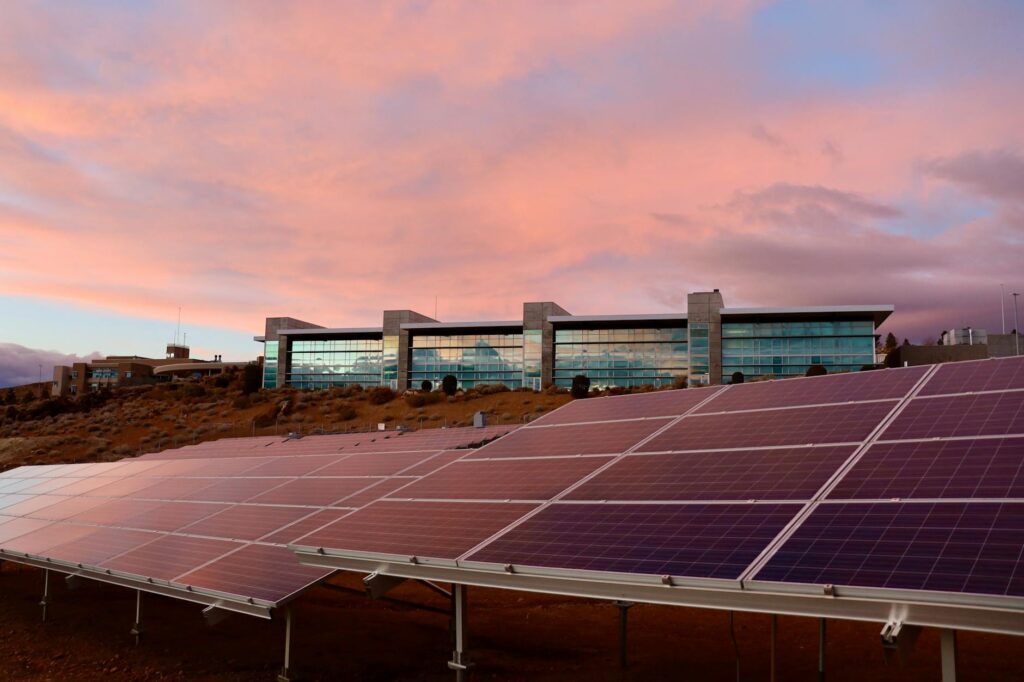
As we look ahead, the integration of energy efficiency practices will undoubtedly shape the future of business in Nevada. Embracing these changes today will not only benefit individual operations but will also contribute to a more sustainable and economically vibrant community. Small businesses that take proactive steps toward energy efficiency will not only thrive but will also lead the way for others to follow.
Transforming your operations with energy-saving technologies in Nevada small business environments is not just about reducing costs; it’s also about enhancing your overall efficiency. By embracing smart energy solutions, you can significantly lower your utility bills while contributing to a greener environment. The right technology for energy savings will not only help you save money but also improve your business’s public image.
As you consider the various business tech for efficiency options available, take the time to research and invest in the solutions that best fit your needs. Whether it’s upgrading to energy-efficient appliances or implementing automated systems, the potential for savings is substantial. Start exploring these energy-saving technologies today, and watch your Nevada small business thrive while making a positive impact on the community and environment.
“`html
What are the best energy-saving technologies for small businesses?
The best energy-saving technologies for small businesses include LED lighting, programmable thermostats, and energy-efficient appliances. Additionally, investing in smart energy solutions like energy management systems can help monitor and optimize energy use. Businesses can also consider renewable energy options, such as solar panels, which are increasingly popular due to their long-term cost-saving potential and environmental benefits.
How can I implement smart energy solutions in my business?
Implementing smart energy solutions involves assessing your current energy consumption and identifying areas for improvement. You can start by installing smart meters and energy management software to track usage patterns. Training staff on energy conservation practices and utilizing programmable devices can greatly enhance efficiency. Collaborating with local energy efficiency programs can also provide insights and resources tailored to your needs.
What technology for energy savings is available in Nevada?
Nevada offers a variety of technologies for energy savings, including advanced lighting solutions, high-efficiency HVAC systems, and smart thermostats. The state also encourages the use of solar energy through incentives and rebates. Many local utilities provide programs aimed at increasing energy efficiency among small businesses, making it easier to adopt these technologies.
Are there any incentives for Nevada small businesses to adopt energy-efficient tech?
Yes, Nevada offers several incentives for small businesses to adopt energy-efficient technologies. These include tax credits, rebates, and grants for implementing energy-saving upgrades. Utility companies, such as NV Energy, provide programs that offer financial assistance and technical support for energy efficiency projects, making it more feasible for small businesses to invest in energy-saving technologies.
How can business tech for efficiency reduce operating costs?
Business tech for efficiency, such as energy management systems, can significantly reduce operating costs by optimizing energy usage and minimizing waste. Automated systems reduce reliance on manual processes, which can lead to labor savings. Additionally, implementing energy-saving technologies can lower utility bills, enhance productivity, and improve equipment lifespan, resulting in overall cost reductions.
What challenges do small businesses face when adopting energy-saving technologies?
Small businesses often face challenges such as limited budgets, lack of knowledge about available technologies, and resistance to change among employees. Additionally, the initial investment in energy-saving technologies can be daunting. However, with proper planning, education, and access to incentives, these challenges can be mitigated, allowing businesses to reap the benefits of energy-efficient solutions.
“`