
Energy audits Nevada small businesses are discovering can be a game-changer for their operations. With rising energy costs and a growing emphasis on sustainability, understanding how to enhance business energy efficiency is crucial. This article will guide you through the audit process, shedding light on what small businesses need to know to leverage these audits effectively. We’ll explore the long-term benefits of maximizing energy savings and address common concerns that might deter businesses from pursuing an energy savings audit. By the end, you will see why investing in energy audits is not just a trend, but a strategic move for Nevada small businesses looking to thrive in a competitive market. Whether you’re curious about how the audit process works or the potential savings you could realize, this article has you covered. For more information on energy efficiency programs available in Nevada, check out the NV Energy Energy Efficiency Program.
Understanding Energy Audits for Nevada Small Businesses
What is an Energy Audit?
An energy audit is a comprehensive evaluation of a business’s energy consumption, aimed at identifying opportunities for energy savings and improved efficiency. For Nevada small businesses, this process is particularly relevant given the state’s rising energy costs, exacerbated by extreme weather conditions and increased demand. The audit process typically involves a detailed assessment of energy use patterns, equipment efficiency, and potential areas for improvement. By pinpointing inefficiencies, small businesses can not only cut costs but also enhance their overall business energy efficiency.
Why are Energy Audits Important for Small Businesses?
Energy audits are crucial for Nevada small businesses looking to thrive in a competitive market. With energy expenses taking a significant bite out of operating budgets, the need for an energy savings audit becomes clear. According to the California Energy Commission, commercial buildings can save up to 30% on energy costs through effective energy management strategies. In Nevada, where commercial electricity rates can average around 10.3 cents per kilowatt-hour, the savings from an energy audit can be substantial.
Moreover, energy audits can facilitate access to incentives and rebates from utility companies and government programs aimed at promoting energy efficiency. These financial benefits can further offset the costs associated with implementing recommended changes. Despite these advantages, some small business owners might hesitate, fearing the upfront costs or complexity of the audit process. However, the long-term savings often outweigh these concerns, making energy audits Nevada small businesses a wise investment.
In essence, the benefits of conducting an energy audit extend beyond mere cost savings; they also contribute to a sustainable business model that can enhance a company’s reputation and operational resilience. As energy prices continue to fluctuate, the proactive approach of embracing energy audits becomes a necessity rather than a choice.

The Audit Process: What Small Businesses Need to Know
Steps in the Energy Audits Nevada Small Businesses Should Consider
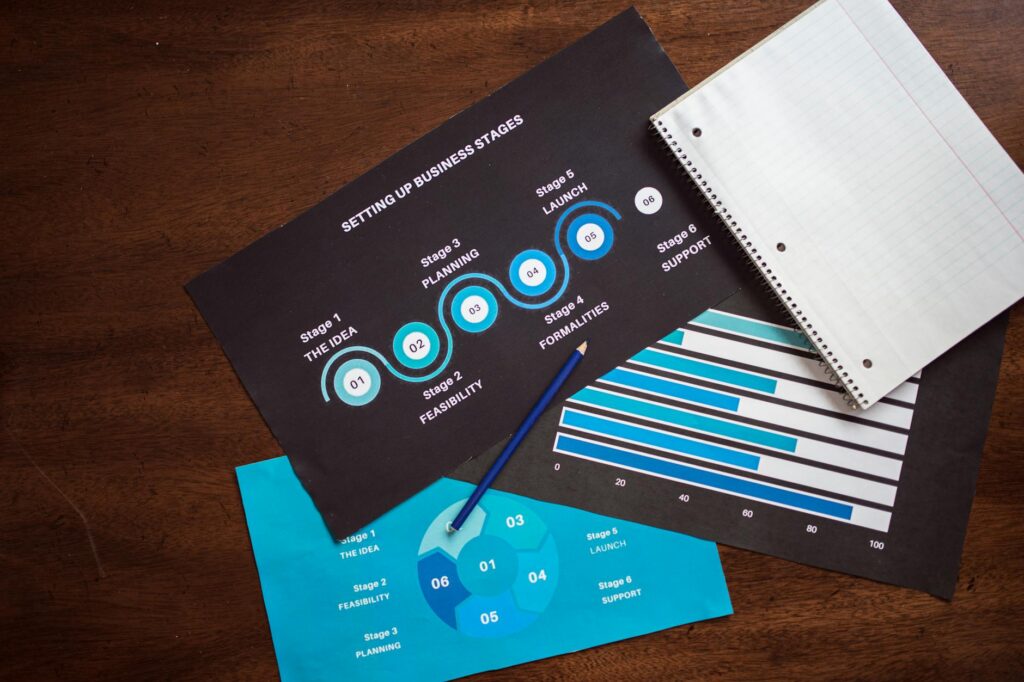
Understanding the audit process is crucial for Nevada small businesses aiming to enhance their energy efficiency. Typically, an energy audit unfolds in several key steps:
- Preliminary Assessment: The auditor begins with a walkthrough of your facility to understand energy usage patterns and identify obvious inefficiencies.
- Data Collection: This phase involves gathering historical energy bills, equipment specifications, and operational schedules. The more data you can provide, the more accurate the audit will be.
- Detailed Analysis: The auditor will analyze the collected data, assessing systems such as heating, cooling, lighting, and insulation to pinpoint areas for improvement.
- Recommendations: After the analysis, the auditor presents actionable recommendations for enhancing business energy efficiency, often outlining potential energy savings and return on investment.
- Implementation Support: Some auditors offer guidance on how to effectively implement the suggested improvements, ensuring businesses can maximize their energy savings.
How to Prepare for an Energy Audit
Preparing for an energy savings audit can significantly influence the results. Here are some practical steps for small businesses:
- Gather Documentation: Compile energy bills from the past year, equipment maintenance records, and any previous audit reports. This information will be invaluable to the auditor.
- Involve Staff: Engage employees who manage energy-consuming systems. Their insights can pinpoint specific energy-saving opportunities that might be overlooked.
- Define Goals: Clearly outline what you hope to achieve from the audit. Whether it’s reducing costs, improving sustainability, or enhancing comfort, having defined objectives helps the auditor tailor their approach.
By understanding the audit process and preparing adequately, Nevada small businesses can leverage the results of their energy audits for significant improvements in energy efficiency. Not only do energy audits offer potential cost savings, but they also contribute to a greener business model, making them an essential consideration for any forward-thinking enterprise.
Maximizing Energy Savings: The Long-term Benefits
When it comes to energy audits Nevada small businesses can undertake, the potential for cost savings is a compelling reason to engage in the audit process. Many small business owners often overlook the hidden costs associated with energy inefficiencies. However, a thorough energy savings audit can illuminate areas where businesses can reduce their expenses significantly.
Cost Savings from Energy Audits
Consider local businesses like Great Basin Brewing Company, which conducted an energy audit and discovered they were wasting energy on outdated refrigeration systems. By implementing the recommended upgrades, they not only reduced their energy consumption by 30% but also saved over $10,000 annually on utility bills. This example demonstrates that the initial investment in an energy audit can yield substantial returns.
According to the U.S. Department of Energy, small businesses can save as much as 30% on their energy bills through efficient practices. For many Nevada small businesses, these savings can translate to thousands of dollars each year, allowing them to redirect these funds towards growth and innovation.
Enhancing Business Energy Efficiency Through Recommendations
Implementing the recommendations from an energy audit can lead to improved business energy efficiency, reducing both costs and environmental impact. For instance, a local retail store upgraded its lighting to energy-efficient LED options after completing an energy audit. This simple change not only enhanced the store’s ambiance but also reduced its energy use significantly, resulting in lower utility costs and a smaller carbon footprint.
The audit process itself provides insight into energy habits and helps businesses identify specific areas for improvement. By following through on the audit’s recommendations, business owners can foster a culture of sustainability and efficiency that resonates with environmentally conscious consumers. These changes can also enhance brand reputation and customer loyalty, as more individuals seek to support businesses that prioritize sustainability.
While some may argue that the upfront costs of an energy audit and subsequent upgrades can be daunting, the long-term savings and benefits far outweigh these initial investments. A small business that embraces energy efficiency not only saves money but also positions itself as a leader in sustainability within the community. It’s clear that the advantages of energy audits Nevada small businesses can reap are both immediate and far-reaching, making them an essential strategy for any business looking to thrive in today’s economy.
navigating Nevada’s energy incentivesCounterpoints: Addressing Common Concerns about Energy Audits
Common Misconceptions about Energy Audits Nevada Small Businesses
When it comes to energy audits, many small business owners in Nevada harbor misconceptions that can deter them from considering this beneficial process. One prevalent myth is that energy audits are prohibitively expensive. While there is an upfront cost associated with the audit process, this should be viewed as an investment rather than an expense. The potential for significant energy savings audit results often far outweighs the initial outlay. In fact, studies show that businesses can save between 10% to 30% on their energy bills after implementing recommended improvements from an audit, which can lead to substantial long-term cost reductions. Another common concern is the perceived complexity of the audit process. Many small business owners fear that the process will be time-consuming or disruptive. However, energy audits are typically streamlined and can often be conducted without significant interruption to daily operations. Professionals in the field understand the unique challenges faced by small businesses and tailor their approach accordingly.
Addressing the Cost of Audits
While the initial costs of energy audits Nevada small businesses may seem daunting, it is essential to consider the long-term financial benefits. The return on investment (ROI) from implementing energy efficiency measures can be impressive. According to the
U.S. Department of Energy, businesses that pursue energy efficiency upgrades can expect to recover their costs within a few years, often resulting in a net gain over time. Additionally, various state and federal programs may provide financial incentives, making energy audits more affordable. Programs such as the
NV Energy’s Energy Efficiency Programsoffer rebates and incentives that can further lessen the financial burden. Encouraging a mindset shift towards embracing energy audits as a vital step in achieving greater business energy efficiency is crucial. By recognizing the potential for reduced operational costs and improved sustainability, Nevada small businesses can position themselves for success in an increasingly competitive market.

Conclusion: Why Nevada Small Businesses Should Invest in Energy Audits
Investing in energy audits is not just a smart business decision; it’s a crucial step toward enhancing business energy efficiency for Nevada small businesses. Throughout this article, we’ve explored the myriad benefits of energy audits, from identifying inefficiencies to implementing actionable solutions that lead to significant cost savings. The audit process serves as a roadmap, guiding businesses through the often complex landscape of energy consumption and revealing opportunities for improvement.
One of the most compelling arguments for engaging in an energy savings audit is the potential for immediate and long-term financial benefits. According to the U.S. Department of Energy, businesses can save between 10% to 30% on their energy bills simply by optimizing their energy use. This is particularly relevant for small businesses, where every dollar counts. Moreover, these audits often uncover hidden costs associated with outdated equipment or inefficient practices, allowing businesses to reallocate funds toward growth or innovation.
While some may argue that the upfront costs of these audits can be a hurdle, it’s essential to consider the return on investment. Many Nevada small businesses have reported payback periods of just a few months, with the savings far outweighing initial expenditures. Additionally, the knowledge gained from the audit process equips businesses with the tools needed to make informed decisions about energy use, leading to more sustainable operations.
For those still on the fence, think of the bigger picture: more than just immediate savings, energy audits can position your business as a forward-thinking entity in the marketplace. By prioritizing energy efficiency, you not only cut costs but also contribute to a greener Nevada, appealing to environmentally conscious consumers and partners.
Now is the time for Nevada small businesses to take action. Embrace the benefits of energy audits and start your journey toward improved energy efficiency and significant savings. Your bottom line, and the planet, will thank you. 
Investing in energy audits for Nevada small businesses can lead to significant improvements in business energy efficiency. By understanding the audit process, companies can identify areas where energy is being wasted and implement strategies to reduce consumption. This not only helps the environment but also results in substantial cost savings over time, making it a smart financial decision.
If you’re ready to explore how an energy savings audit can benefit your business, consider reaching out to a local expert who specializes in energy audits Nevada small businesses. Taking this step can help you unlock potential savings and enhance your operational efficiency, positioning your business for long-term success. Don’t wait, start the journey toward a more sustainable and cost-effective future today!
“`html
What are energy audits for small businesses?
Energy audits for small businesses are comprehensive assessments that evaluate a company’s energy use and identify opportunities for savings. This process involves examining energy consumption patterns, equipment efficiency, and building systems. Energy audits Nevada small businesses can benefit from help in understanding how their operations consume energy and where improvements can be made to reduce costs and environmental impact.
How can energy audits improve business energy efficiency?
Energy audits help small businesses pinpoint inefficiencies in their energy use. By identifying outdated equipment, excessive energy consumption, and operational practices, businesses can implement strategies to improve energy efficiency. This can lead to reduced operational costs, enhanced comfort for employees, and a smaller environmental footprint. Optimizing energy usage not only saves money but can also improve overall productivity.
What steps are involved in the audit process?
The audit process typically involves several key steps: initial consultation, data collection, site evaluation, analysis of energy usage, and reporting findings. During the site evaluation, auditors inspect equipment, lighting, insulation, and HVAC systems. After analyzing the data, they provide a report detailing potential upgrades and energy-saving opportunities, which can help businesses make informed decisions about improvements.
How much can small businesses save with energy audits?
Small businesses can save significantly after conducting energy audits. On average, companies can expect to reduce energy costs by 10 to 30 percent by implementing recommended changes. These savings vary based on the specific issues identified during the audit and the measures taken to address them. Over time, the investment in energy efficiency can lead to substantial financial returns.
What should I prepare for an energy savings audit?
To prepare for an energy savings audit, businesses should gather relevant utility bills, operational data, and information about existing equipment. Additionally, it is helpful to provide access to all areas of the facility that consume energy. Preparing a list of any concerns regarding energy use can also guide the auditor in focusing on specific areas that may require attention or improvement.
Are energy audits worth the investment for small businesses?
Yes, energy audits are generally worth the investment for small businesses. The potential savings on energy costs, combined with the benefits of increased efficiency and improved workplace comfort, often outweigh the initial costs of the audit. Furthermore, energy audits can help businesses qualify for rebates and incentives, making them a financially savvy decision in the long run.
“`