
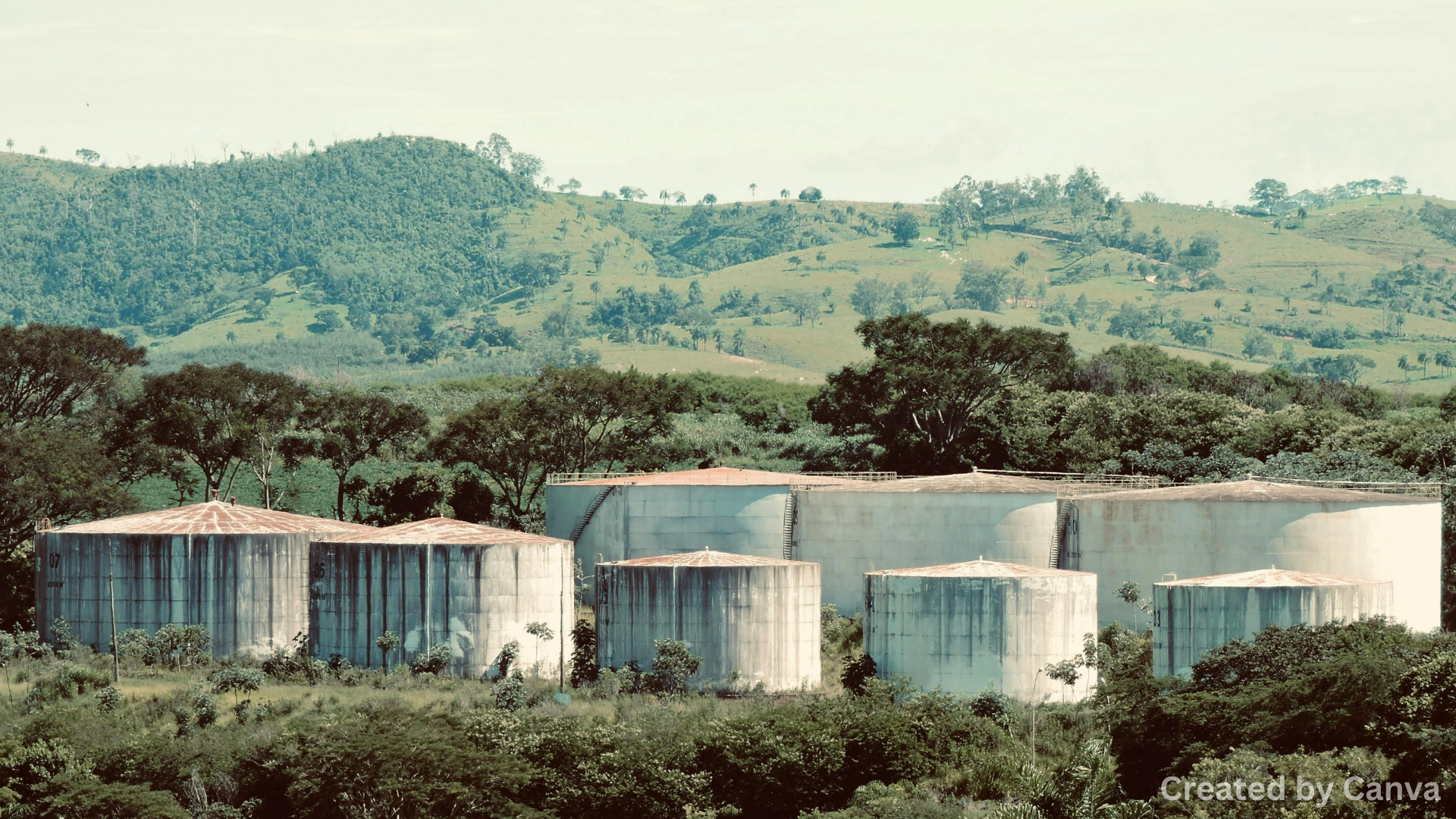
Energy policy is very important for Nevada’s farming industry because it has an effect on the cost of farming, the amount of energy available, and the overall growth of the agricultural sector. Energy is an important resource for machinery, irrigation, and processing. This means that Nevada’s farmers can do their jobs in a lot of different ways depending on how energy policies change. If the agricultural sector is going to be able to keep going and be successful, both farmers and policymakers need to know how energy rules affect the costs of farming.
Costs of farming and getting electricity
A lot of the costs of farming in Nevada come from energy. This is especially true for companies that need a lot of machinery, irrigation systems, and places that can be kept at the right temperature. Energy policy has a direct impact on these costs by either keeping energy prices stable or raising them through new taxes or rules. Farmers have a harder time running their businesses when the rules change and energy costs go up. Stable energy prices, on the other hand, can help farmers save money and make it easier for them to plan their budgets for the year. So, it’s very important for Nevada’s farms to have a steady and cheap source of energy in order to stay in business.
The Rise of Agriculture and Energy in Farming
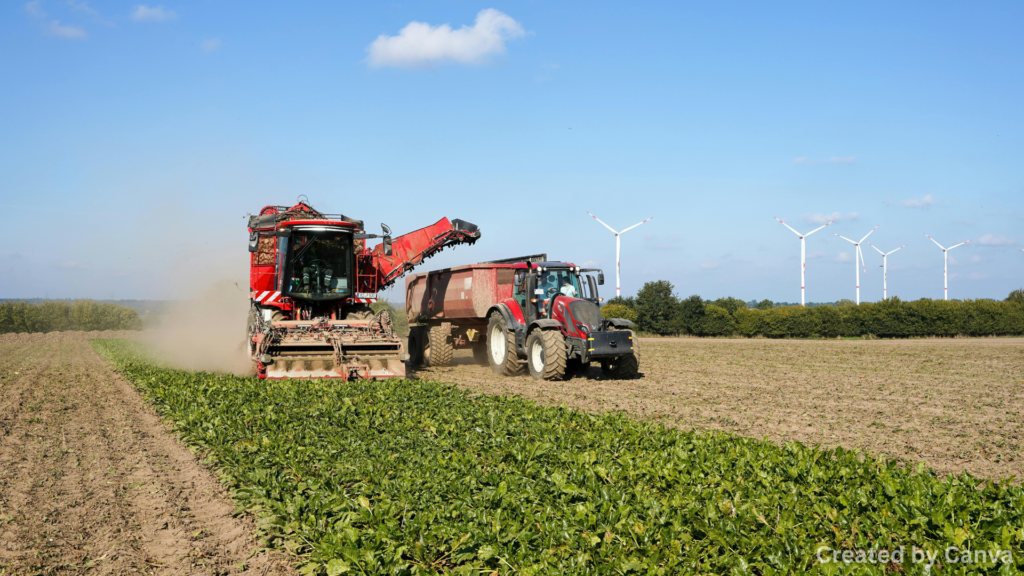
Energy is not only a cost for Nevada’s farms; they also need it to grow. You need energy to run modern irrigation systems, greenhouses, and farm tools. These things are all important for making farming work better and getting more crops. As farming changes, it becomes more and more important to use technologies and energy sources that are renewable and use less energy. Farmers in Nevada can use clean energy to farm and still be very productive while having less of an impact on the environment. These policies help agriculture grow in the long run by promoting practices that are good for the environment and the industry.
How energy policy affects the health of farming in the long run
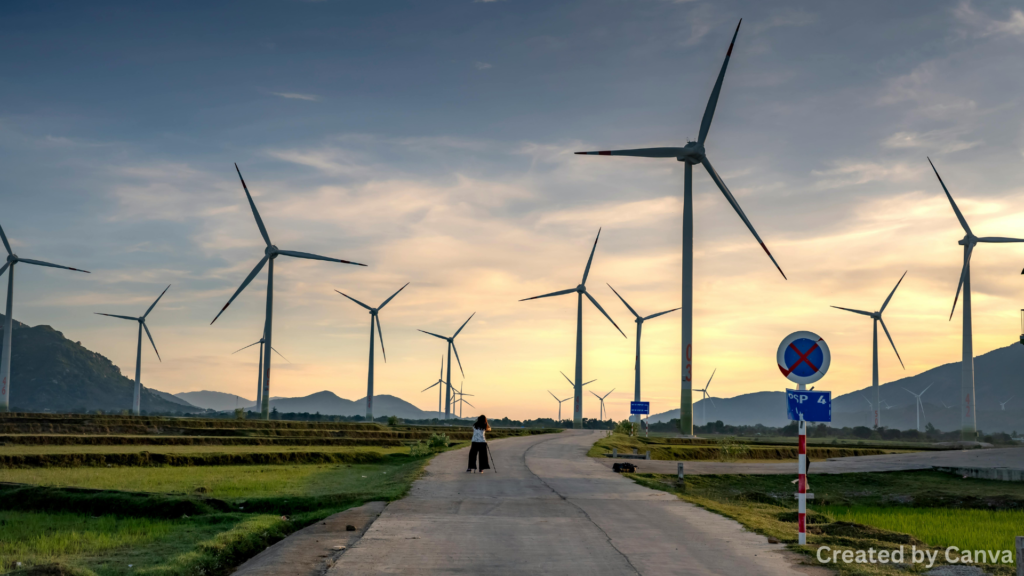
The farming industry in Nevada has to deal with a changing energy landscape, where choices about energy policy can either help or hurt efforts to be more environmentally friendly. Policies that encourage the use of renewable energy sources, such as solar and wind power, can help farmers use less fossil fuels. Not only does this change lower greenhouse gas emissions, but it also gives farmers more energy-efficient choices. Farmers might have a hard time using new technologies that would make their work more efficient and better for the environment if energy policies aren’t clear or don’t support projects that use renewable energy.
Questions that are often asked
How does Nevada’s energy policy affect the cost of farming?
Energy policies have a direct effect on the cost of farming because they change the prices of energy, which are important for heating, irrigation, and machinery systems on farms.
How does energy affect the growth of farming in Nevada?
Farming systems like irrigation, equipment, and greenhouses that help farming grow and become more productive all need energy to work.
What are some good things that renewable energy policies can do for Nevada’s farms?
Policies that support renewable energy can help farmers in Nevada save money on energy, have less of an effect on the environment, and make the farming industry more sustainable.
Why is it important for Nevada’s farming industry to have a steady supply of energy?
For farming to be successful, it is important to have a steady supply of energy so that irrigation and machinery can keep working.
Featured Image
Images are by Canva.com
Read more about: Why Energy Policies Must Be Predictable for Nevada Employers